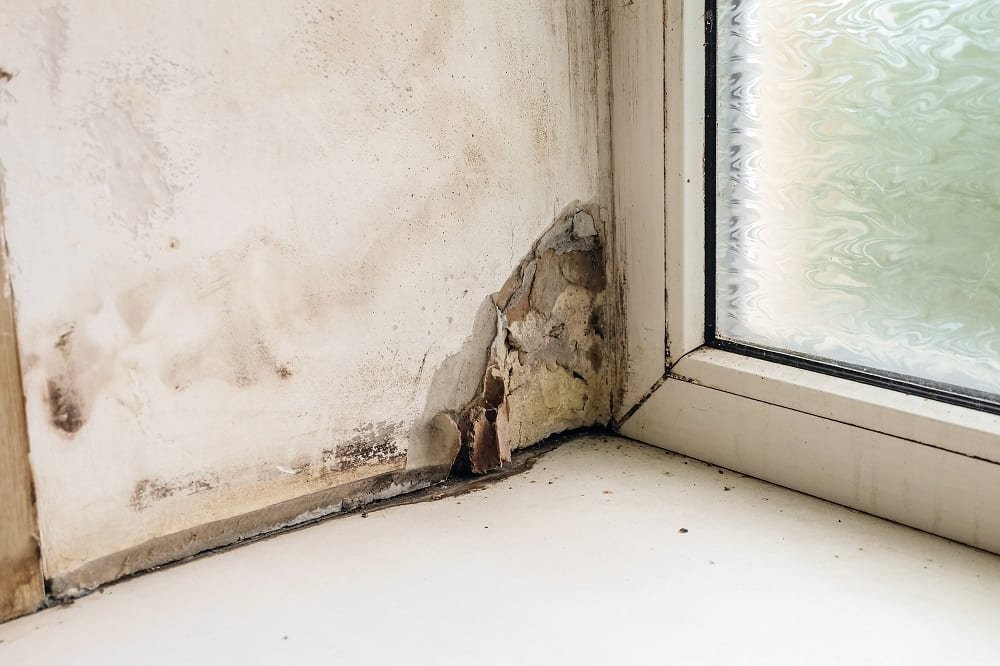
Basement Smells Musty After Rain? Here’s What to Do
Basement Smells Musty After Rain? Here’s What to Do
That musty smell after rain is your basement telling you something: water is getting in somewhere. It’s easy to ignore — just a smell, right? — but musty odor means moisture, moisture means mold risk, and mold means health issues and expensive damage. I’ve dealt with this in two houses, and early action saves thousands.
Here’s how to find the source, fix it, and make sure it doesn’t come back.
Find Where the Water Is Coming From
Start outside during or right after rain — that’s when the evidence is fresh. Walk the perimeter and look at the gutters: overflowing or detached gutters dump water right against the foundation, which is the #1 cause of basement moisture. Downspouts should extend at least 6 feet from the house; the little 2-foot splash blocks builders install are nearly useless. Check that the ground slopes away from the foundation — it should drop about 6 inches over the first 10 feet.
Inside, inspect where walls meet the floor, around windows, and near the water heater and laundry. Look for damp spots, efflorescence (white crusty mineral deposits — a telltale sign water is moving through concrete), and any visible mold. A $15 moisture meter from the hardware store takes the guesswork out — probe suspicious walls and compare readings. If one wall reads dramatically wetter, you’ve found your entry point.
Dry It Out and Kill the Smell
First, remove the moisture source if you can (extend that downspout today — it’s a $15 fix). Then attack the humidity: run a dehumidifier rated for your basement’s square footage and keep humidity between 30% and 50%. A good 50-pint unit costs $200 to $300 and is the single best investment for a damp basement. Empty it or hook up the drain hose so it runs continuously.
For the smell itself: scrub hard surfaces with a mold-killing cleaner (concrobium or a borax solution — skip bleach on porous concrete, it’s less effective than people think and the fumes are nasty). Wash or discard anything porous that smells — cardboard boxes are mold buffets; replace them with plastic bins. Sprinkle baking soda on concrete floors, leave overnight, and vacuum. An air purifier with a carbon filter helps with lingering odor while things dry out.
Prevent It From Coming Back
Long-term prevention is all about water management outside. Clean gutters twice a year, extend downspouts well away from the house, and regrade any soil that’s sloping toward the foundation — a few yards of topsoil and an afternoon of work. Inside, keep the dehumidifier running through humid months, don’t store things directly against exterior walls (leave an air gap), and fix any plumbing drips immediately.
Know when it’s beyond DIY: water actively flowing in through cracks, foundation cracks wider than a quarter inch, bowing walls, or mold covering more than about 10 square feet all warrant a professional — either a basement waterproofing contractor or a structural engineer for foundation concerns. Interior drain tile and sump pump systems run $3,000 to $7,000 installed, which stings, but it’s cheaper than foundation damage or a mold remediation bill. If anyone in the house has worsening allergies or respiratory issues, get the mold assessed professionally rather than guessing.
Musty Basement Action Plan
Do these in order:
- Inspect outside during rain: gutters, downspouts, and ground slope.
- Check inside walls and floors with eyes and a moisture meter.
- Extend downspouts at least 6 feet from the foundation (immediate fix).
- Run a properly sized dehumidifier; keep humidity at 30-50%.
- Scrub surfaces with mold-killing cleaner; toss moldy cardboard for plastic bins.
- Regrade soil away from the foundation and clean gutters.
- Call a pro for active water entry, large mold areas, or foundation cracks.
The Bottom Line
A musty basement smell after rain means water is getting in — usually from gutters, downspouts, or grading, all fixable for under $100 in most cases. Dry it out with a dehumidifier, clean what’s there, and fix the water path outside.
Don’t just mask the smell with air freshener. The odor is a symptom, and the longer moisture sits, the more expensive the cure. An afternoon of detective work now beats a $5,000 waterproofing job later.
The Landscaping Mistakes That Cause Basement Water
Most basement water problems start outside with landscaping mistakes. The classic: flower beds piled against the foundation that trap water instead of shedding it. Mulch and soil should slope away from the house — that 6-inches-over-10-feet grade — not create a moat. Edging that forms a dam, beds that settled below grade, and downspouts discharging into beds all funnel water to the foundation. Walk your perimeter after heavy rain and watch where water actually goes; it’s often surprising.
Trees are the other culprit. Large trees within 20 feet of the foundation send roots toward the consistent moisture near basement walls, and roots exploit tiny foundation cracks, widening them over years. If you have big trees close to the house, that’s a risk factor to monitor — not necessarily to remove, but to watch. And never plant water-hungry shrubs right against the foundation; their watering keeps the soil saturated against your walls.
The fix list is unglamorous but effective: regrade with topsoil ($30-$50 for enough to fix most problem spots), extend downspouts to daylight 6+ feet out (or into a dry well), keep gutters clean, and make sure window wells have covers ($20 each) and drainage. These exterior water-management basics solve the majority of musty basements without any interior work. Interior solutions (drain tile, sump pumps) manage water that’s already inside; exterior grading keeps it from arriving at all.
Quick Answers
Why does my basement only smell after heavy rain?
Because water is entering during rain events — usually via foundation walls, window wells, or floor-wall joints. The smell appears as materials get damp and mold activates.
Will a dehumidifier fix a wet basement?
It manages humidity and odor but doesn’t stop water entry. Use it while you fix the exterior drainage causing the problem.
How do I know if it’s mold or just mustiness?
Mustiness is the smell of microbial growth — where there’s sustained mustiness, there’s mold somewhere. A $15 moisture meter helps locate the damp areas.
The insurance angle is worth understanding before water problems escalate. Standard homeowner’s policies typically cover sudden water damage (burst pipe) but exclude gradual seepage and groundwater intrusion — exactly what causes most musty basements. That means the $5,000 waterproofing system is on you, but the $20,000 mold remediation from a burst pipe might be covered. Document everything: photos of the problem, receipts for mitigation efforts, dates of discovery. If a covered event occurs, this documentation is the difference between a paid claim and a denied one. And consider a water backup endorsement ($50-$100/year) — it covers sump pump failures and drain backups that standard policies exclude. It’s the cheapest meaningful coverage in homeownership.
Further reading: the EPA on mold cleanup in homes, FEMA guidance on basement flooding.