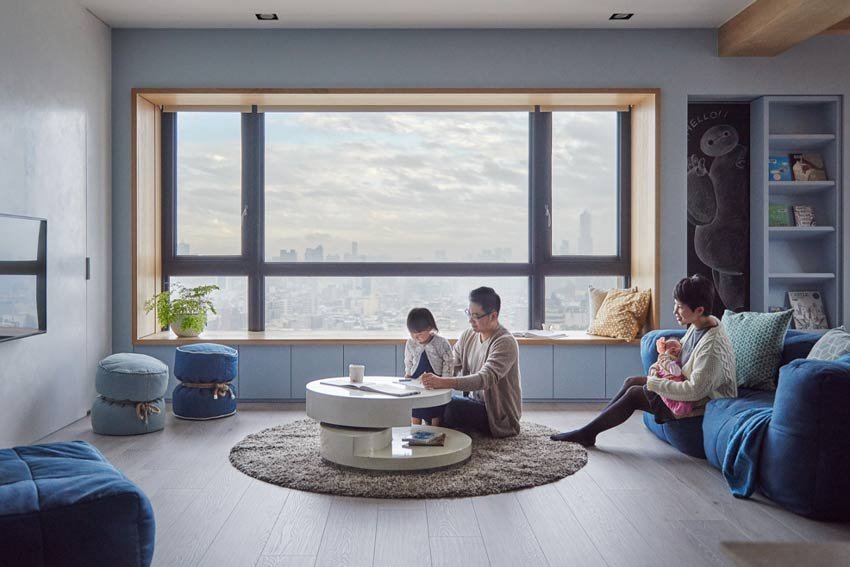
How to Childproof Your Home Without Making It Ugly
How to Childproof Your Home Without Making It Ugly
Traditional childproofing looks like your home got attacked by beige plastic — bulky outlet covers, ugly gates, foam corners on everything. But it doesn’t have to. The baby-proofing industry has grown up, and there are now solutions that protect your kids without wrecking your decor.
Here’s how to childproof thoroughly and keep your home looking like yours.
The Invisible Upgrades
Start with what nobody sees: magnetic cabinet locks ($25 for a 4-pack). They install inside the cabinet, invisible from outside — you open them with a magnetic key. No plastic latches marring your cabinet fronts. They work on drawers too and disengage entirely when the kids outgrow them. This one swap eliminates the ugliest category of childproofing.
Outlet protection without the eyesore: sliding outlet covers ($12 for a 3-pack) replace the outlet plate itself — the cover slides closed automatically when you unplug something. They look like normal outlets, just slightly nicer. For furniture, skip the foam corner blobs and use clear corner guards ($10 for 12) — they’re barely visible on wood and glass. Anchor every bookshelf, dresser, and TV to the wall with anti-tip straps ($10 for a 4-pack) — invisible, and the single most important safety item in the house. Furniture tip-overs injure thousands of kids yearly; this is non-negotiable.
Gates and Barriers That Don’t Look Like a Daycare
Baby gates have evolved past the pressure-mounted plastic eyesores. Freestanding wood gates in walnut or white ($80 to $150) look like furniture. Retractable mesh gates ($40 to $80) roll away invisibly when not in use — perfect for stair tops where you want the barrier gone during adult hours. For wide openings, custom-width metal gates in matte black read as modern design, not baby jail.
Placement strategy matters as much as looks: gate the stairs (top and bottom — falls are the #1 serious injury), gate the kitchen during cooking, and use closed doors elsewhere instead of gating every room. Fewer, better-placed barriers look intentional rather than paranoid. A single beautiful gate at the stairs plus magnetic locks everywhere else covers 90% of real risk without the plastic-everywhere aesthetic.
Style-Smart Habits and Room-by-Room Wins
Much of childproofing is habit, not hardware: move cleaning products and medicines to high locked cabinets permanently (not just “out of reach” — toddlers climb), keep the water heater at 120°F to prevent scalding, use cordless window coverings or cord cleats ($5) on every blind, and store the step stool — kids use them to reach everything you’ve carefully elevated.
Room by room: kitchen — stove knob covers in stainless ($12) blend in; bathroom — toilet lock in white ($10) and a faucet cover only for bath time; living room — anchor everything, hide cords in $15 cord covers that match the baseboard, and swap glass decor for the high shelves for a few years. None of this is permanent. The beautiful truth about tasteful childproofing is that the best solutions are invisible or removable — your home emerges unscathed when the kids outgrow it all.
Stylish Childproofing Essentials
Safety first, aesthetics intact:
- Magnetic cabinet locks — invisible from outside ($25/4-pack).
- Sliding outlet covers that look like normal plates ($12/3-pack).
- Anti-tip straps on every bookshelf, dresser, and TV ($10/4-pack).
- Retractable or wood-finish gates — not plastic pressure gates.
- Clear corner guards instead of foam blobs ($10/12-pack).
- Cordless blinds or cord cleats on every window ($5 each).
- Water heater at 120°F; medicines and cleaners locked high.
The Bottom Line
Childproofing without the ugly comes down to invisible solutions (magnetic locks, sliding outlet covers, anti-tip straps) and good-looking barriers (wood or retractable gates) placed strategically. The total for a well-done job is $150 to $300.
Safety is non-negotiable, but beige plastic everywhere is optional. A few smart product choices keep your kids safe and your home feeling like home.
Childproofing the Kitchen and Bathroom Specifically
The kitchen deserves special attention — it’s the most dangerous room for small children. Beyond magnetic locks on lower cabinets (cleaning supplies, sharp objects, plastic bags — all locked), add stove knob covers ($12, choose stainless to match), a stove guard barrier for the oven door ($25 — prevents burns and keeps little hands from opening a hot oven), and keep the trash secured (a locking can, $40, or inside a latched cabinet — trash contains everything from sharp cans to choking hazards). Move all cooking to back burners and turn pot handles inward, always.
The bathroom’s risks are water and chemicals. Toilet locks ($10) prevent both drowning risk (toddlers can drown in inches of water) and the unsanitary explorations toddlers love. Faucet covers ($8) prevent scalding and bumps during bath time. Lock medicines — all of them, including vitamins (iron overdose is a leading poisoning cause in children) — in a high, latched location, not just ‘up high’ (toddlers climb). And never leave a child unattended near any standing water, including mop buckets — supervision is the childproofing no product replaces.
Throughout the house, the updated checklist: cordless window coverings everywhere (cords are strangulation hazards — this one’s critical), choking-hazard sweeps at floor level monthly (coins, batteries — button batteries are especially dangerous — small toy parts), and a fire escape plan practiced with older kids. Childproofing products handle the predictable; supervision and habits handle the rest. Reassess every 3 months as mobility changes — the crawler’s hazards differ from the climber’s, which differ from the runner’s.
Quick Answers
What’s the most important childproofing item?
Anti-tip straps on furniture and TVs — tip-overs cause the most serious injuries. Then outlet covers, cabinet locks, and stair gates.
When can I remove childproofing?
Gradually as kids demonstrate understanding — usually 3-5 years for most items. Keep furniture anchored permanently; it’s invisible anyway.
Are magnetic cabinet locks hard to install?
No — adhesive-mounted versions need no drilling and install in minutes. They’re invisible from outside and adults open them with a magnetic key.
The car-seat and travel dimension of childproofing catches new parents off guard. Your home is only half the environment — grandparents’ houses, daycare, and the car all need attention. For the car: the seat itself (proper installation — 70%+ are installed incorrectly; get it checked at a fire station or car-seat clinic, free), plus a back-seat mirror for rear-facing infants ($15), window shades for sun ($10), and the habit of never leaving a child unattended in a car (not even ‘for a minute’ — interior temperatures kill quickly). For grandparents’ houses, bring a portable kit: outlet covers, a folding gate, cabinet latches ($40 total) that you install on arrival. Safety travels with the child, not just the house.
Further reading: the Consumer Product Safety Commission on childproofing, Safe Kids Worldwide.