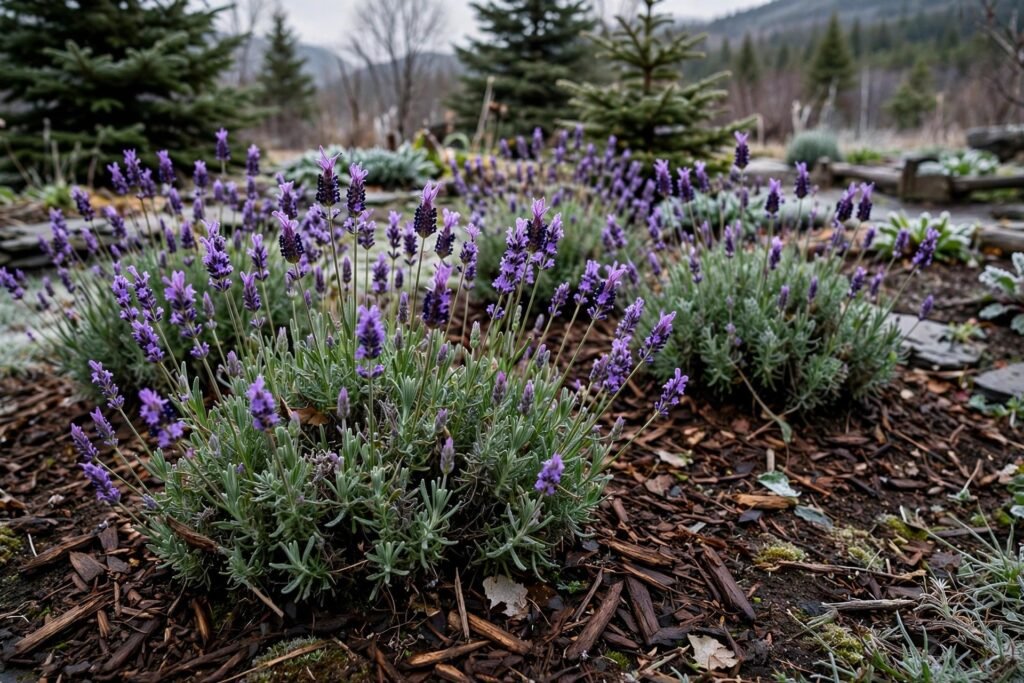
How to Grow Lavender in Cold Climates: Hardy Varieties That Survive
Lavender’s reputation is Mediterranean sunshine — Provence fields, endless summer — which makes growing it in cold climates sound like a fool’s errand. It is not. With the right varieties and winter strategies, lavender thrives in zones 5 and even 4, returning bigger each year and perfuming the garden from June through frost. The secret is understanding what actually kills lavender in winter: it is not cold alone, but the combination of cold, wet, and wind. Solve those three, and cold-climate lavender is one of the most rewarding perennials you can grow. Here is how.
Variety Selection: Hardiness Is Everything
Lavender hardiness varies enormously by species, and choosing wrong is the number-one beginner mistake. The hardy champions: English lavender (Lavandula angustifolia) — varieties like ‘Munstead’, ‘Hidcote’, and ‘Phenomenal’ survive zone 5 reliably and zone 4 with protection. ‘Phenomenal’ deserves its name — bred for cold hardiness, humidity tolerance, and vigor, it is the safest choice for marginal climates. Lavandin (L. x intermedia, e.g., ‘Grosso’, ‘Provence’) is hardy to zone 5–6 with larger flowers and stronger scent, excellent for hedging.
Avoid in cold climates: Spanish lavender (L. stoechas) and French/butterfly lavenders — gorgeous, but zone 7+ plants that will not survive a real winter outdoors. Treat those as annuals or container plants brought inside. When buying, check the specific cultivar’s zone rating, not just “lavender” generically — the difference between ‘Munstead’ (zone 5) and a Spanish variety (zone 7) is the difference between a perennial and compost. Buy from nurseries that label cultivars clearly; big-box “lavender” with no variety name is a gamble.
Site and Soil: Drainage Before Everything
Lavender’s prime directive: sharp drainage. In cold climates, winter wet kills more lavender than winter cold — roots sitting in cold, soggy soil rot, while the same plant in dry, frozen soil sleeps safely. Plant on slopes, in raised beds, or on mounds 6–8 inches high. Amend heavy clay aggressively with gravel, coarse sand, and compost — or skip amending and build a dedicated raised lavender bed with a sandy, lean mix.
Soil should be lean and alkaline: pH 6.5–7.5 (add lime if your soil is acidic), low in organic matter and nitrogen. Rich, fertile soil produces floppy, scentless growth that winter-kills easily; poor soil produces compact, intensely fragrant plants. Full sun is non-negotiable — 8+ hours, with excellent air circulation to prevent fungal issues. Space plants 2–3 feet apart; crowding traps humidity. Mulch with gravel or crushed stone, never bark or wood chips — organic mulches hold winter moisture against the crown, the exact killer you are avoiding. The drainage obsession mirrors indoor plant care wisdom: roots that breathe survive, roots that suffocate do not.
The Raised Bed Advantage
In zones 4–5 with heavy soil, a raised bed 12+ inches tall filled with a sandy lavender mix is the single highest-impact investment. It solves drainage, warms earlier in spring, and lets you control pH precisely — effectively moving your garden half a zone warmer for lavender purposes.
Winter Protection: The Three Enemies
Enemy one: freeze-thaw cycles. Bare-ground freeze-thaw heaves crowns out of the soil, exposing roots. Counter with gravel mulch (insulates without holding moisture) applied after the ground freezes. Enemy two: winter wind, which desiccates evergreen foliage when roots cannot replace moisture from frozen soil. Counter with burlap windbreaks on the windward side or planting near a south-facing wall that blocks prevailing winds.
Enemy three: late-winter sun on frozen ground — foliage transpires while roots are locked in ice, causing winter burn. Evergreen boughs laid over plants after freeze-up provide the ideal protection: insulation plus shade, removed in spring. Do not use plastic or tarps — they trap moisture and cook plants on sunny days. In zone 4, combine all three protections; in zone 5–6, gravel mulch plus a sheltered site usually suffices. And resist fall fertilizing — late nitrogen produces soft growth that winter destroys. Sealing your home for winter uses the same principle as protecting lavender: block the wind, manage the moisture, and let insulation do the work.
Pruning and Harvest: The Lavender Calendar
Prune twice yearly, never into old wood. Spring: after new growth emerges, trim back winter damage to green buds — this is also when you shape. Summer: harvest flower spikes just as buds show color (peak oil content), cutting long stems; then shear the whole plant lightly to encourage a second flush and maintain the compact mound shape. Never cut into leafless woody stems — lavender rarely resprouts from old wood, and one hard cut can kill an established plant.
Harvest in the morning after dew dries for maximum essential oil. Dry bundles upside-down in a dark, airy space for 1–2 weeks — light degrades the oils and color. Uses multiply fast: sachets, culinary buds (English varieties are edible — try them in shortbread), simple syrups, bath soaks, and linen sprays. A mature cold-climate lavender hedge produces astonishing quantities; most growers go from “will it survive?” to “what do I do with all of this?” within three years.
Troubleshooting Cold-Climate Problems
Plant looks dead in spring: wait — lavender leafs out late, often not until May. Scratch stems; green underneath means alive. Cut back to live wood and be patient. Mushy crown or blackened stems: winter wet/rot — improve drainage immediately, consider relocating to a mound or raised bed. Leggy, floppy growth: too rich soil or too little sun — stop fertilizing, ensure full sun, prune harder.
No flowers: usually immaturity (first-year plants focus on roots), excessive nitrogen, or pruning at the wrong time (fall pruning removes next year’s buds on some varieties). Weak scent: too much water and fertilizer — stress concentrates essential oils; the most fragrant lavender grows in the leanest conditions. Remember the Mediterranean mantra: lavender thrives on neglect, sun, and drainage. Kill it with kindness and it dies; ignore it properly and it flourishes for decades.
Deeper Reading on Cold-Hardy Lavender
For cultivar hardiness data and winter-protection research, consult the Missouri Botanical Garden’s plant finder, which rates lavender varieties by zone with detailed cultural notes, and Penn State Extension’s herb resources for northern-climate growing trials. Real trial data beats marketing claims every time.
Conclusion
Growing lavender in cold climates succeeds on four decisions: hardy English varieties (‘Phenomenal’, ‘Munstead’, ‘Hidcote’), ruthless drainage via mounds or raised beds, winter protection against freeze-thaw/wind/desiccation, and disciplined pruning that never touches old wood. Get those right and zones 4–5 produce lavender hedges that rival Provence — fragrant, beautiful, and tougher every year. The Mediterranean sun is optional. The drainage is not.
Frequently Asked Questions
What is the most cold-hardy lavender?
‘Phenomenal’ (Lavandula x intermedia) is the current champion — hardy to zone 5 (zone 4 with protection), humidity-tolerant, and vigorous. Among English lavenders, ‘Munstead’ and ‘Hidcote’ are proven zone-5 survivors with decades of track records.
Why did my lavender die over winter?
Almost always winter wet (poor drainage + cold = root rot) rather than cold alone. Improve drainage with mounds or raised beds, switch to gravel mulch, and ensure the site is not a frost pocket or drainage channel.
Can I grow lavender in zone 4?
Yes, with the hardiest varieties (‘Phenomenal’, ‘Munstead’), excellent drainage, and full winter protection (gravel mulch, windbreak, evergreen boughs). Choose sheltered microclimates near south-facing walls for the best odds.
When should I prune lavender?
Twice: in spring (remove winter damage, shape to green growth) and after summer harvest (light shearing for rebloom and form). Never cut into leafless old wood, and never prune hard in fall — it stimulates vulnerable new growth.