How to Keep Houseplants Alive in a Dark Apartment
How to Keep Houseplants Alive in a Dark Apartment
How can I keep my houseplants alive with little sunlight? I dug into this properly, and what I found surprised me — here’s the no-fluff version.
My apartment faces a brick wall. The 'bright indirect light' every plant tag demands is a fantasy here — I get about two hours of shy, apologetic sun. For years, my plants died on a predictable schedule.
Then I stopped fighting my apartment and started choosing plants that wanted what I had. Here's the low-light playbook that finally worked.
The complete breakdown
Pick plants that evolved for dim forests, not deserts
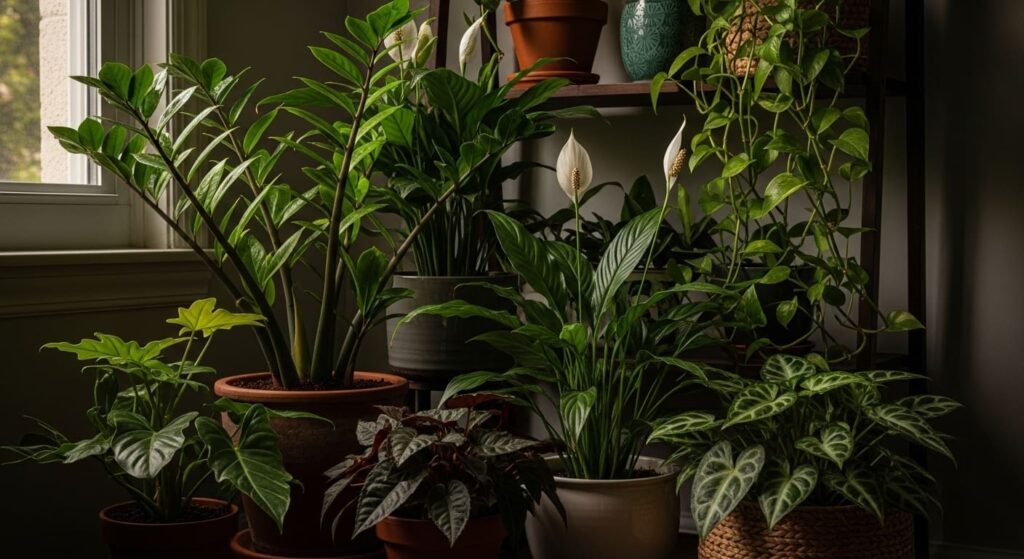
Snake plants, pothos, ZZ plants, peace lilies, and philodendrons all evolved as understory plants — they're literally built for low light. These five survive conditions that kill fiddle-leaf figs in weeks. My snake plant has endured three apartments, two neglect phases, and one dropped pot. It's basically immortal.
Water less than you think — then less again
The #1 killer of low-light plants isn't darkness, it's overwatering. Less light means slower growth means less water needed. Let the top 1-2 inches of soil dry out completely between waterings. When in doubt, wait another day. I water my low-light crew every 2-3 weeks, and they prefer it that way.
Related reading: Car Emergency Kit Checklist: What to Pack in 2026
A $25 grow light changes everything
If you want more than the survivalist five, one full-spectrum LED grow bulb in a regular lamp, on a timer for 8-10 hours, effectively adds a window. It's the single highest-impact purchase for dark apartments. My formerly leggy pothos filled out within two months of getting its 'sun lamp.'
Rotate and dust — free light upgrades
Dust on leaves blocks what little light reaches them; wipe leaves monthly with a damp cloth. Rotate pots a quarter-turn every couple of weeks so all sides get their share. These tiny habits noticeably improve growth, and they cost nothing but 30 seconds.
Learn the 'droop test' instead of a schedule
Pothos and peace lilies visibly droop when thirsty and perk up within hours of watering — they're honest plants. Use them as your indicator species. Watering on a rigid schedule kills more plants than thirst; watering by observation keeps them alive. Your plants are talking — learn their language.
My honest take
My ZZ plant sat in a dark hallway for a year, watered monthly, and grew new shoots. Meanwhile I'd killed three succulents on the windowsill by loving them too much. The lesson: match the plant to your home, not your aspirations, and neglect beats overwatering every time.
FAQs: How can I keep my houseplants alive with little sunlight?
Here are the questions I hear most often about this topic:
What is the hardest plant to kill in low light?
The ZZ plant. It tolerates near-darkness, drought, and neglect. Snake plants are a close second.
Do I need special soil?
Well-draining potting mix with perlite works for most low-light plants. The key is drainage — soggy roots rot, especially in dim conditions.
Why are my plant's leaves turning yellow?
Usually overwatering. Check soil moisture before watering, ensure the pot drains, and cut back. Yellow + mushy = too much water; yellow + crispy = too little.
The bottom line
Dark apartment, thriving plants — it's absolutely possible. Choose understory plants, water by observation not schedule, wipe the dust off, and add one grow light if you're ambitious. Your brick-wall view doesn't have to mean a plant-free life.
For deeper background, check out Wikipedia's houseplant care overview — both are solid, reputable resources worth bookmarking.
More from Daily Magazine 24
- Car Emergency Kit Checklist: What to Pack in 2026
- How Much to Spend on a Coworker Birthday Gift (2026 Etiquette)
One more thing worth knowing
Finally, give any change a fair trial before judging it. Three weeks is my minimum — the first week you're fighting old habits, the second you're adjusting, and only in the third do you see the real payoff. I've almost abandoned routines on day five that became favorites by day twenty. Commit to the trial period upfront, evaluate honestly at the end, and keep what earns its place.
One more thing worth knowing
One more practical note: take a 'before' snapshot — a photo, a quick note about how things feel now. We adapt to improvements fast and forget how far we've come, which makes it tempting to abandon systems that are quietly working. Six months from now, that before-photo will remind you why you started. Progress you can see is progress you'll protect.
One more thing worth knowing
And if you take one mindset shift from all of this, let it be this: small, consistent beats big and occasional in every domain I've ever tested it. Ten minutes daily outperforms a monthly marathon. One habit at a time outperforms twelve resolutions. The tortoise doesn't just win the race — the tortoise is the only one still running in year two.
One more thing worth knowing
One thing I've noticed after years of tweaking my own routines: the best system is the one you'll actually maintain on your worst week, not your best one. Grand plans collapse under real life — kids get sick, work explodes, motivation evaporates. So whatever you take from this guide, shrink it down to the smallest version you could do exhausted on a Tuesday night. If that tiny version still helps, you've found your keeper. You can always scale up later; you can't scale up from quitting.
One more thing worth knowing
It's also worth saying: don't try to implement everything at once. Pick the one tip that resonated most and do just that for two weeks. I call it the 'one-thing rule,' and it's how I've built every lasting habit I have. Our brains rebel against overhauls but accept single tweaks gracefully. Two weeks from now, add tip number two. In three months you'll have transformed the whole area without ever feeling overwhelmed — slow change is the only change that sticks.