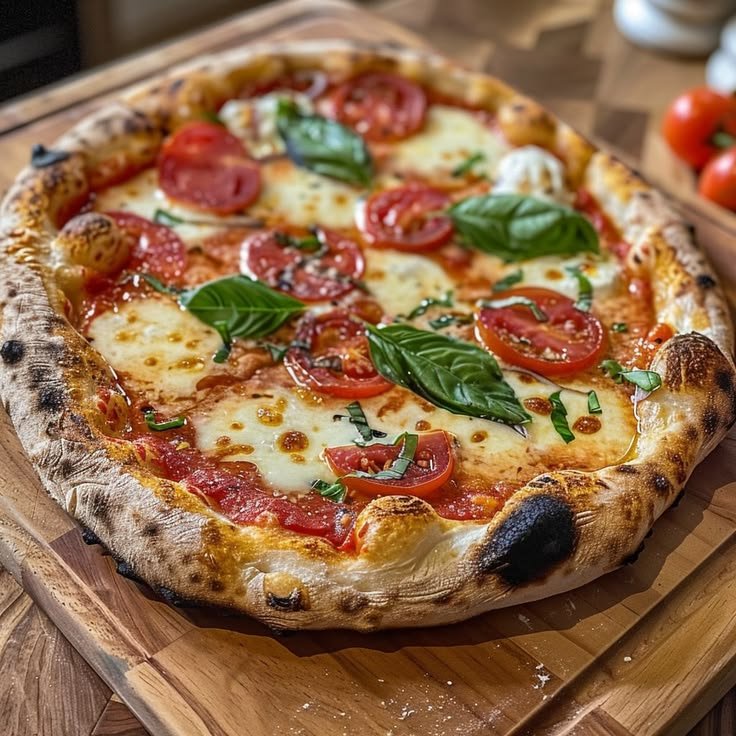
Homemade Pizza vs. Ordering: The Real Cost Breakdown
Homemade Pizza vs. Ordering: The Real Cost Breakdown
How much does it cost to make homemade pizza versus ordering? A homemade 14-inch pizza runs $4-6 in ingredients; ordering the same pizza delivered costs $20-30. That’s a 4-5x markup for convenience. I make pizza at home most Fridays, and the math has saved me well over $1,000 compared to our old delivery habit. But cost isn’t the whole story — time, quality, and the nights when cooking just isn’t happening all matter. Here’s the full breakdown plus when ordering still wins.
Homemade Pizza: The Real Cost
Per 14-inch pizza (generous toppings):
- Dough: $0.75-1.00 (flour, yeast, salt, oil — or $1.50 for store-bought dough)
- Sauce: $0.50-0.75 (canned crushed tomatoes + garlic + oregano)
- Cheese: $2.00-3.00 (8 oz low-moisture mozzarella — buy the block and shred it; pre-shredded costs more and melts worse)
- Toppings: $1.00-2.00 (pepperoni, peppers, mushrooms, onions from your fridge)
- Total: $4-6 per pizza
Two pizzas (feeds 4-6): $8-12. The same dough skills as beginner bread apply — pizza dough is just bread dough with oil.
Ordering: The Real Cost
- Large delivery pizza (Domino’s/Pizza Hut): $14-18 + $3-5 delivery fee + tip ($4-6) = $21-29 delivered
- Local pizzeria: $18-25 + fee + tip = $25-35 delivered
- Frozen pizza (grocery): $5-8 — the budget middle ground, and some are genuinely good now
Two delivered pizzas for a family: $40-60. The same food homemade: $8-12. Weekly pizza night for a year: ~$2,500 delivered vs. ~$500 homemade. The pizza industry runs on this markup — convenience is expensive.
The Time Equation (Be Honest)
- Homemade (with store-bought dough): 30 minutes active + 15 bake. Minimal skill needed.
- Homemade (dough from scratch): 20 minutes active + 1-2 hours rise (mostly waiting) + 15 bake. Better texture, more planning.
- Delivery: 5 minutes ordering + 30-45 minutes waiting. Zero effort.
- Frozen: 3 minutes + 15-20 bake. The lazy compromise.
Homemade isn’t “free” — it costs 30-45 minutes of your Friday. Whether that’s worth $20+ in savings is personal. For me, pizza night became a family activity (kids top their own), which changed the time from “cost” to “entertainment.”
Quality: Homemade Wins (With One Caveat)
Homemade pizza with good ingredients beats chain delivery on taste — better cheese, fresher toppings, exactly how you like it. The caveat: home ovens max out around 500-550°F while pizzeria ovens hit 700-900°F, so you’ll never quite match the leopard-spotted crust of a great Neapolitan place. A $40-80 pizza steel narrows the gap enormously (it transfers heat like a professional deck). But against Domino’s? Homemade wins easily, and leftover slices reheat beautifully in a skillet.
When Ordering Still Wins
- You’re exhausted: The $25 delivery premium is cheap compared to burnout. No guilt.
- Feeding a crowd (10+): Ordering 5 pizzas is easier than making 5 pizzas. Though pulled pork feeds crowds cheaper than either.
- Craving a specific style: Great Neapolitan or deep-dish is worth paying for — it’s genuinely hard to replicate.
- No time to shop: Delivery exists for Thursdays when the fridge is empty.
The Takeaway
Homemade pizza costs $4-6 versus $20-30 delivered — a 4-5x savings that adds up to $2,000+/year for weekly pizza nights. It’s 30-45 minutes of mostly-fun work, tastes better than chain delivery, and the dough skills transfer everywhere. Order when you’re exhausted or feeding an army; make it when you want the best value dinner in existence. Keep store-bought dough in the freezer and the barrier to homemade drops to nearly zero.
Frequently Asked Questions
What’s the cheapest way to make pizza at home?
Dough from scratch ($0.75), canned tomato sauce ($0.50), block mozzarella shredded yourself ($2), and fridge-cleanout toppings ($1) — under $5 for a 14-inch pizza. The block-vs-pre-shredded cheese choice is the biggest single saver: pre-shredded costs 50% more per pound and contains anti-caking starch that impedes melting. Buy whole-milk low-moisture mozzarella blocks when they’re on sale and freeze them — frozen blocks shred fine. Flour bought in 10-pound bags drops dough cost to pennies.
Is a pizza stone or steel worth buying?
A pizza steel ($40-80) is one of the best value upgrades in home cooking — it transfers heat far faster than a stone, giving you puffier crusts with better char in a home oven. Stones ($25-40) work but crack eventually and heat slower. Either beats a baking sheet dramatically. If you make pizza monthly or more, buy the steel; it also doubles as the best surface for bread baking. Preheat it a full 45-60 minutes — most people under-preheat, which wastes the steel’s potential.
How do I get a crispy crust in a home oven?
Four things: maximum oven temperature (550°F or as high as yours goes), a preheated steel or stone (45+ minutes), less sauce than you think (wet sauce = soggy center), and a longer bake than feels right (most home pizzas are under-baked — look for deep golden spots, not pale blonde). Par-baking the dough 3-4 minutes before topping helps for loaded pizzas. And let the pizza rest 2-3 minutes before slicing — the structure sets as it cools slightly, preventing the flop.
Can I freeze homemade pizza dough?
Yes — brilliantly. Make a double or triple batch, portion into individual pizza-sized balls, coat lightly with oil, and freeze in zip-top bags for up to 3 months. Thaw in the fridge overnight (or 2-3 hours on the counter), then stretch and top. The cold ferment during thawing actually improves flavor. This is the secret to 20-minute homemade pizza nights: the dough work happened weeks ago. Frozen store-bought dough works the same way — keep 2-3 balls in the freezer at all times and delivery loses its appeal.
Is making pizza dough from scratch difficult?
Not at all — pizza dough is one of the most forgiving doughs in baking. It’s flour, water, yeast, salt, and olive oil mixed and kneaded for 5-10 minutes (or made no-knead with an overnight rest), then left to rise for 1-2 hours. There’s no shaping precision needed; rustic and irregular is the aesthetic. The most common beginner mistake is under-proofing — give it the full rise time and the dough stretches easily instead of springing back. A stand mixer helps but hands work fine. After two or three batches you’ll do it on autopilot, and the texture beats store-bought dough noticeably. It’s a 20-minute active skill that pays off every pizza Friday.