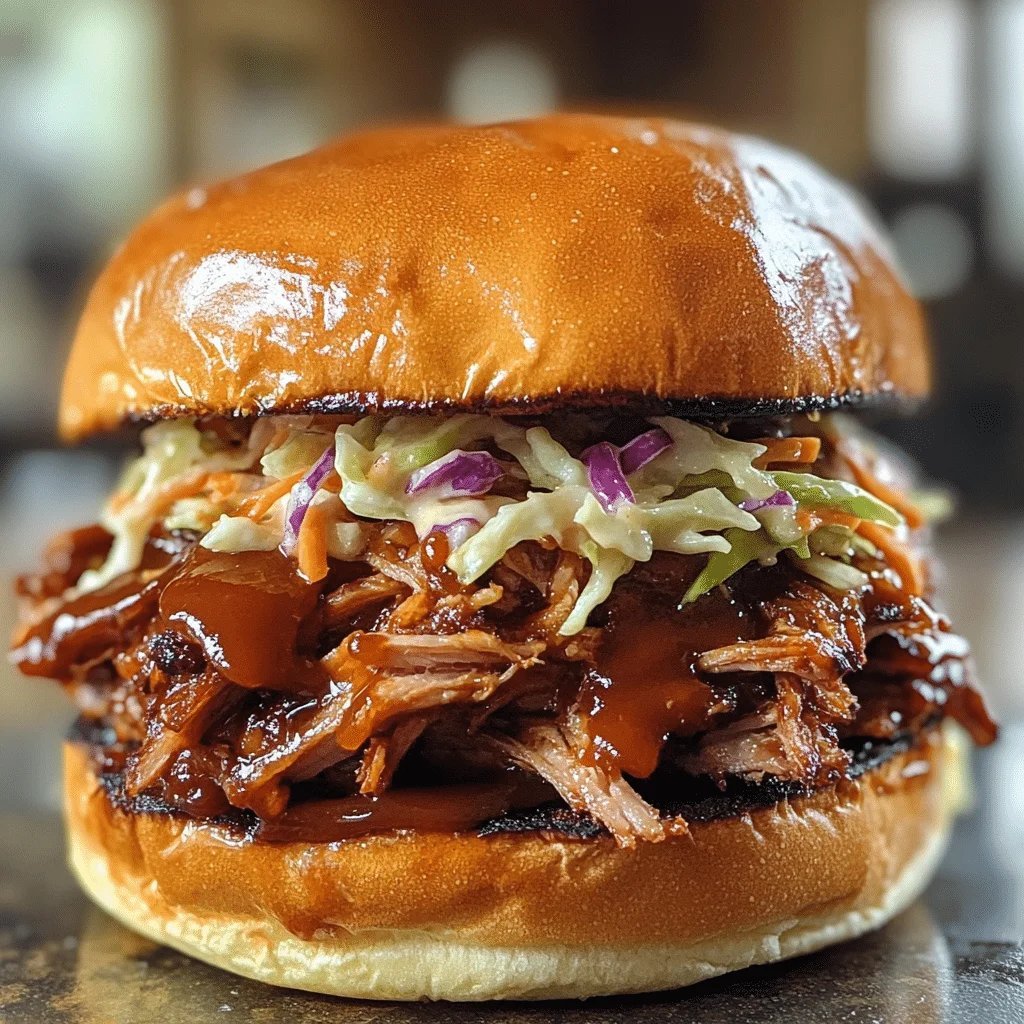
Tender Slow Cooker Pulled Pork (Fall-Apart Every Time)
How to Make Tender Slow Cooker Pulled Pork (Fall-Apart Every Time)
Learning how to make tender slow cooker pulled pork is one of the highest-reward skills in home cooking: ten minutes of morning prep turns a cheap cut of meat into a mountain of juicy, shreddable pork that feeds a crowd. I’ve made this dozens of times for game days, potlucks, and lazy Sundays, and the method below has never produced anything less than fall-apart tender. The slow cooker does all the work — your only job is not overthinking it.
Start With the Right Cut: Pork Shoulder
Buy pork shoulder — also sold as pork butt or Boston butt. It’s a tough, fatty, collagen-rich cut that costs $1.50-3 per pound, and it’s the only cut that turns into proper pulled pork. The fat and connective tissue melt during the long cook, basting the meat from the inside and creating that silky texture. A 4-5 pound bone-in shoulder is ideal; the bone adds flavor and it’s easy to pull out when done. Don’t use pork loin or tenderloin — they’re too lean and will turn dry and stringy no matter what you do.
The Recipe
For the rub:
- 2 tablespoons brown sugar
- 1 tablespoon paprika
- 2 teaspoons salt
- 1 teaspoon black pepper
- 1 teaspoon garlic powder
- 1 teaspoon onion powder
- 1/2 teaspoon cayenne (optional)
For the cook:
- 1 pork shoulder (4-5 lbs), bone-in preferred
- 1 cup chicken broth, apple juice, or cola
- 1/4 cup apple cider vinegar
- Your favorite BBQ sauce, for serving
Steps
- Rub it down. Pat the pork dry, coat generously with the rub on all sides. Do this the night before if you can — the salt penetrates and seasons deeply.
- Into the cooker. Place the pork in the slow cooker, fat cap up. Pour the broth and vinegar around (not over) the meat.
- Cook low and slow. 8-10 hours on LOW (or 5-6 on HIGH, but low is better). It’s done when a fork twists easily and the bone wiggles loose — internal temp around 195-205°F.
- Rest, then shred. Rest 20-30 minutes, then shred with two forks, discarding large fat chunks and the bone.
- Moisten. Toss the shredded meat with some of the cooking juices — this is what keeps it juicy. Add BBQ sauce to taste, or serve sauce on the side so people can choose.
Why Low and Slow Matters
Tough cuts are full of collagen, a connective tissue that only breaks down into silky gelatin above 160°F — and it needs hours at that temperature to fully convert. Rush it with high heat and the collagen seizes instead of melting, giving you tough meat. The slow cooker holds the perfect gentle temperature for the entire cook. This is also why refrozen meat works great here — the long moist cook hides any texture loss from freezing.
Troubleshooting
- Tough after 8 hours? It’s undercooked, not overcooked — counterintuitive, but true. Tough means the collagen hasn’t melted yet. Give it another 1-2 hours.
- Dry? You probably used too lean a cut, or didn’t add the cooking juices back. Always toss shredded pork with its juices.
- Bland? More salt in the rub next time, and don’t skip the vinegar — acidity brightens the rich meat.
- Too fatty? Chill the cooking juices; the fat solidifies on top and lifts right off.
Serving Ideas and Leftovers
Classic pulled pork sandwiches on brioche with coleslaw are the obvious move, but don’t stop there: pork tacos, loaded nachos, BBQ pizza, Cuban sandwiches, or piled over mac and cheese. Leftovers keep 4 days refrigerated and freeze beautifully for 3 months — portion into freezer bags for instant future meals. A 5-pound shoulder makes about 12-15 servings at roughly $1 per serving, which makes it one of the cheapest ways to feed a backyard barbecue crowd. The USDA’s food safety resources confirm the target temps if you want to double-check doneness. The takeaway: pork shoulder + rub + 8 hours on low = the easiest crowd-pleaser you’ll ever make.
Frequently Asked Questions
Can I make pulled pork with a different cut if I can’t find shoulder?
Pork shoulder (Boston butt) is ideal, but pork picnic shoulder works nearly as well — it’s slightly leaner with more bone, so add a bit more liquid. In a real pinch, country-style ribs (which are actually cut from the shoulder) work. Avoid loin, tenderloin, or chops: they’re too lean and will turn dry and stringy no matter how long you cook them. The fat and collagen in the shoulder aren’t flaws — they’re the entire reason pulled pork works.
Should I sear the pork before slow cooking?
It’s optional, and I’ll be honest: for pulled pork, searing makes less difference than recipes claim. The meat spends 8+ hours braising, which develops plenty of flavor on its own, and you’ll shred it anyway — the seared exterior gets lost. If you have 10 extra minutes and want maximum depth, sear it. If not, skip it without guilt. The rub, the long cook, and the finishing sauce matter far more.
How do I know when pulled pork is actually done?
Forget the clock — go by feel. It’s done when a fork twists easily in the meat with almost no resistance, and (for bone-in) the bone wiggles loose with a gentle tug. Temperature-wise, you’re looking for 195-205°F internal, well past “safe” (145°F) because you’re breaking down collagen, not just cooking to safety. If it’s tough at 8 hours, it’s undercooked — give it another 1-2 hours. Toughness in slow-cooked pork virtually always means “needs more time,” not “overcooked.”
Can I make pulled pork in an Instant Pot instead?
Yes — 60-75 minutes at high pressure with natural release, using the same rub and about half the liquid (pressure cookers don’t evaporate). It’s genuinely good, and the time savings are real. But the slow cooker version has a slight edge in texture: the longer, gentler cook renders fat more completely and produces silkier meat. Use the Instant Pot when you forgot to start the slow cooker; use the slow cooker when you planned ahead.
Pingback: Casual Backyard Barbecue Menu: What to Serve
Pingback: Basic Spice Collection Cost: Build for $35
Pingback: Host a Fun Adult Game Night at Home: Guide