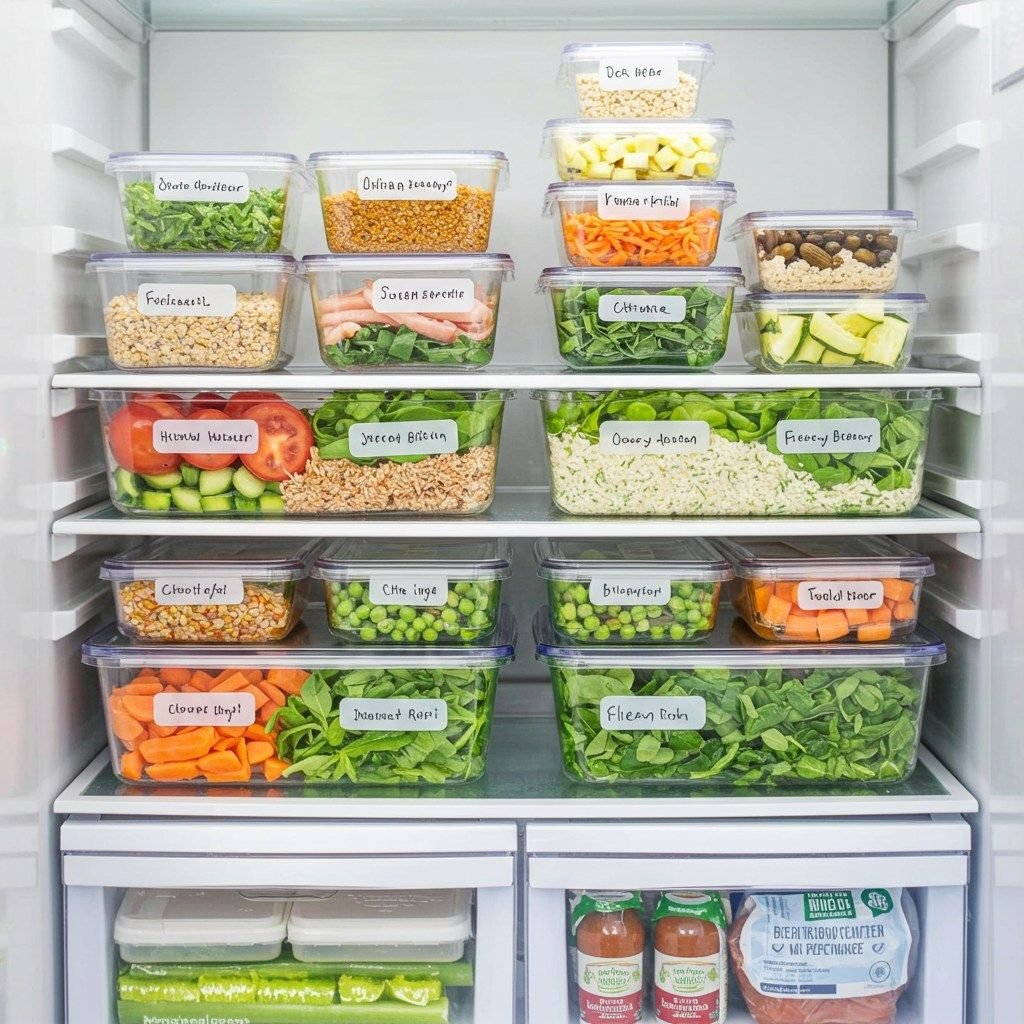
How to Reduce Food Waste in Your Kitchen Each Week
How to Reduce Food Waste in Your Kitchen Each Week
Learning how to reduce food waste in your kitchen each week is one of those rare habits that’s good for your wallet, your conscience, and the planet simultaneously. The average American family throws away $1,500 worth of food per year — roughly $30 a week, straight into the trash. I’ve cut my household’s waste dramatically with five simple habits, none of which require extreme couponing or a homestead. Here’s the system that actually sticks.
Habit 1: Shop With a List (And Eat First)
Half of food waste starts at the store. Impulse buys — the fancy cheese, the third bunch of kale, the “we might need this” items — are the foods most likely to rot untouched. The fix is boring and effective: plan 4-5 dinners, write the list, and shop the list. Never shop hungry — studies show hunger increases both spending and waste-prone impulse buys. And do a 2-minute fridge inventory before leaving: the number of duplicate purchases (a second jar of something you already had) is staggering once you start checking.
Habit 2: The “Eat Me First” Box
Designate one fridge shelf or clear bin as the “eat me first” zone. Anything nearing its end — the half onion, the wilting herbs, the yogurt expiring tomorrow — goes here, front and center. Visibility is everything: food hidden in drawers dies; food at eye level gets eaten. Check the box when planning each dinner. This single habit probably saves more food than any other, because most waste isn’t intentional — it’s forgotten.
Habit 3: Learn the Difference Between Dates
- “Use by”: Safety date (rare — mostly on infant formula and deli meats). Respect it.
- “Best by” / “Best if used by”: Quality date, not safety. Food is fine after — it just might be slightly less perfect.
- “Sell by”: For the store, not you. Ignore it at home.
- “Expires on”: The only one that means what it says.
Date-label confusion causes an enormous share of waste — people throw away perfectly good food because of a “best by” date. Your nose and eyes are better judges than the stamp. The USDA’s guide to food product dating confirms: most dates are about quality, not safety.
Habit 4: Freeze Like You Mean It
Your freezer is a pause button — use it aggressively:
- Bread and baked goods: Slice first, freeze, toast from frozen. (See keeping homemade bread fresh.)
- Meat: Freeze in meal-sized portions the day you buy it if you won’t cook it within 2 days.
- Overripe bananas: Peel, chunk, freeze — future smoothies await.
- Herbs: Chop and freeze in oil in ice cube trays — instant flavor bombs for cooking.
- Leftovers: Freeze in portioned containers, labeled with contents and date. A freezer inventory list on the door prevents the “mystery container” problem.
Almost everything freezes. The exceptions are few: raw potatoes (grainy), lettuce (mush), and cream-based sauces (separate).
Habit 5: The Weekly “Clean Out” Meal
Once a week, dinner is whatever needs using: stir-fry, frittata, soup, fried rice, or a thirty-minute clean-out meal. These “kitchen sink” meals are often delicious — constraints breed creativity — and they reset the fridge to zero. Make it a tradition: Friday night clean-out dinner. The kids can help; it’s fun, not punishment.
Bonus: Store Produce Right
Much waste is just bad storage: herbs in water jars (last 2 weeks), greens with paper towels (last 7 days — see keeping salad fresh), onions and potatoes separated (together they sprout faster), tomatoes never refrigerated. Fifteen minutes learning proper storage pays off every single week.
The Takeaway
Reduce kitchen food waste with five habits: shop with a list, maintain an “eat me first” box, understand date labels, freeze aggressively, and cook a weekly clean-out meal. You’ll save ~$1,500 a year, throw away less, and — surprisingly — eat more interestingly. Start tonight: check your fridge, move the dying items front and center, and plan tomorrow’s dinner around them.
Frequently Asked Questions
How much food does the average household waste?
In the US, about 30-40% of the food supply goes uneaten, and the average family of four wastes roughly $1,500 worth of food per year. Fruits and vegetables top the waste list (they’re the most perishable), followed by dairy and prepared leftovers. The environmental cost is significant too — wasted food in landfills generates methane, a potent greenhouse gas. The good news: household waste is the most fixable segment, because it’s driven by habits, not systems. Five small habit changes capture most of it.
Is it safe to eat food past its “best by” date?
Usually yes — “best by” is the manufacturer’s estimate of peak quality, not a safety deadline. Canned goods last years past it; dry goods (pasta, rice, crackers) last months to years; dairy is often fine a week past. Use your senses: off smells, mold (beyond hard cheese/salami where you can cut it off), and slimy textures mean discard. The exceptions: infant formula (always respect the date) and deli meats (listeria risk — 3-5 days max opened). When in doubt with high-risk foods (meat, dairy, leftovers), throw it out — but “in doubt” should be genuine doubt, not date-stamp anxiety.
What’s the best way to use up vegetables before they go bad?
The clean-out hierarchy: roast them (works for almost everything — 425°F, oil, salt), soup them (any vegetable becomes soup with broth and a blender), stir-fry them (the classic), frittata them (eggs forgive everything), or freeze them (blanch first for best texture). Wilted greens go into smoothies, pasta, or cooked dishes where texture doesn’t matter. The “eat me first” box plus one weekly clean-out meal handles 90% of vegetable waste. And buy less more often if your schedule allows — two small shops beat one big shop for produce freshness.
Does composting count as reducing food waste?
Partially — composting keeps food out of landfills (avoiding methane), which is genuinely good. But it’s the last resort, not the goal: the money, water, energy, and labor that produced the food are still wasted. The hierarchy is: prevent waste first (buy right, store right, eat it), then feed people (share extras), then feed animals, then compost. Composting the food you couldn’t save is responsible; composting food you could have eaten is just greenwashed waste. Do both — prevent first, compost the rest.