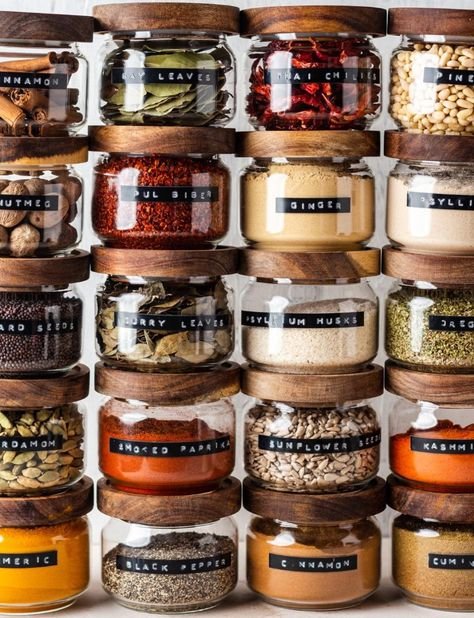
How Much Does a Basic Spice Collection Cost?
How Much Does a Basic Spice Collection Cost to Build From Scratch?
How much does a basic spice collection cost to build from scratch? Between $30 and $60 for a solid starter set of 12 essential spices — far less than most people assume. The spice aisle looks intimidating with its $5-8 jars and endless options, but you don’t need forty spices. You need about a dozen workhorses that cover 90% of home cooking. I built my collection from zero twice (once after college, once after a cross-country move), and here’s exactly what to buy, where to buy it cheap, and what to skip.
The 12 Essential Spices (The Starter Set)
- Black peppercorns (with a grinder) — the king; pre-ground pepper is a shadow of fresh
- Kosher salt — technically a seasoning, but the foundation of everything
- Garlic powder — different from fresh garlic; essential for rubs and blends
- Onion powder — the quiet background note in countless dishes
- Paprika — sweet, colorful, mild; start here before smoked
- Cumin — the backbone of Mexican, Indian, and Middle Eastern cooking
- Chili powder — the blend (not pure cayenne) for chili, tacos, rubs
- Oregano (dried) — Italian, Greek, and Mexican dishes
- Italian seasoning — the shortcut blend for weeknight pasta and pizza
- Cinnamon — baking essential, plus savory uses (Moroccan, Indian)
- Bay leaves — soups, stews, braises; subtle but real
- Red pepper flakes — heat on demand for anything
The Cost Breakdown
- Grocery store jars ($4-7 each): 12 spices = $50-80. Convenient but priciest.
- Bulk bins / ethnic markets ($1-3 each): 12 spices = $15-35. The smart money — Indian, Latin, and Middle Eastern markets sell spices dramatically cheaper.
- Online (bulk bags): Great for staples you use heavily (pepper, cumin, chili powder).
- Starter sets: $25-40 for pre-assembled kits — decent value if the set matches the essentials list above.
Realistic total: $30-60 depending on where you shop. The ethnic-market route is half the price of the supermarket spice aisle for identical (often fresher) product.
Where to Buy Cheap (Ranked)
- Ethnic grocery stores — dramatically cheaper, often fresher turnover. An Indian market sells cumin for $2 that costs $6 at the supermarket.
- Bulk bins (Whole Foods, co-ops) — buy exactly what you need; great for trying new spices.
- Discount stores (Aldi, Lidl, Walmart) — basics like garlic powder and cinnamon for $1-2.
- Online bulk — best for heavy-use staples once you know what you go through.
- Regular supermarket aisle — most expensive per ounce, but fine for one-off needs.
What to Add Next (Phase 2)
Once the basics are covered, expand based on what you actually cook:
- Smoked paprika — the upgrade that transforms pulled pork rubs and roasted vegetables
- Turmeric, coriander, garam masala — if you cook Indian food
- Thyme, rosemary — for roasting and French-leaning dishes
- Cayenne — pure heat for when chili powder isn’t enough
- Whole cumin/coriander seeds — toast and grind for dramatically better flavor
Freshness: The Thing Nobody Tells Beginners
Ground spices lose potency within 6-12 months. That 3-year-old paprika isn’t harmful, it’s just flavorless dust. Buy smaller quantities, date your jars, and do the sniff test: if you can’t smell it clearly, replace it. Whole spices (peppercorns, cumin seeds, cinnamon sticks) last 2-3 years. This is also why bulk bins win — you buy fresh, in amounts you’ll actually use. For more on keeping your kitchen stocked efficiently, see reducing kitchen waste — stale spices are a quiet contributor.
The Takeaway
A basic spice collection costs $30-60, built around 12 essentials, bought cheapest at ethnic markets and bulk bins. Start with the dozen above, buy small amounts, replace yearly, and expand based on what you cook — not what looks impressive on the rack. Good spices are the cheapest way to make thirty-minute meals taste like you tried much harder than you did.
Frequently Asked Questions
Should I buy whole spices or ground?
Both, strategically. Buy whole for the spices where freshness matters most and grinding is easy: black peppercorns (non-negotiable — pre-ground pepper is stale within weeks), cumin seeds, coriander seeds. Buy ground for convenience spices where the difference is minor: garlic powder, onion powder, paprika, chili powder, cinnamon. Whole spices last 2-3 years versus 6-12 months for ground, and toasting + grinding whole cumin takes two minutes for dramatically better flavor. A $10 blade coffee grinder dedicated to spices handles all of it.
Are expensive spice brands worth it?
Sometimes, for specific spices. High-quality cinnamon (Ceylon vs. cassia), real vanilla, saffron, and smoked paprika show real differences between cheap and premium. For workhorse spices like garlic powder, onion powder, and black pepper, the mid-range store brand is 95% as good as the fancy jar. The biggest quality factor isn’t brand — it’s freshness and turnover. A $2 bag of cumin from a busy Indian market (high turnover, ground recently) beats a $7 jar that’s sat in a warehouse for a year.
How should I store spices?
Cool, dark, dry — not above the stove, no matter how convenient that cabinet is. Heat and light destroy flavor compounds fast. Airtight containers (the jars they come in are fine), away from the dishwasher’s steam. Don’t store in the fridge (condensation) or freezer for daily use (same problem, plus odor absorption). A drawer or a cabinet away from heat is ideal. And date your jars with a marker when you open them — future you will thank present you.
What spices should I never buy in bulk?
Anything you use rarely — saffron, specialty blends, that exotic spice for one recipe. Bulk only saves money if you use it before it goes stale. Saffron is the classic trap: it keeps well (2-3 years), but buy the smallest amount available because you use threads, not spoonfuls. Same for whole nutmeg, cloves, and specialty chili varieties. The rule: bulk-buy your top 5 most-used spices; buy small for everything else.
What’s the difference between herbs and spices?
Simple: herbs are leaves (basil, oregano, parsley, cilantro — usually used fresh or dried), spices are everything else (seeds, bark, roots, buds — cumin, cinnamon, turmeric, cloves). The practical difference matters in the kitchen: delicate fresh herbs go in at the end of cooking because heat destroys their flavor, while dried spices usually go in early because heat blooms and deepens them. Dried herbs sit in between — sturdier than fresh, best added mid-cook. When a recipe calls for fresh herbs and you only have dried, use one-third the amount, since drying concentrates flavor. This one distinction will improve your cooking more than any single new spice purchase.