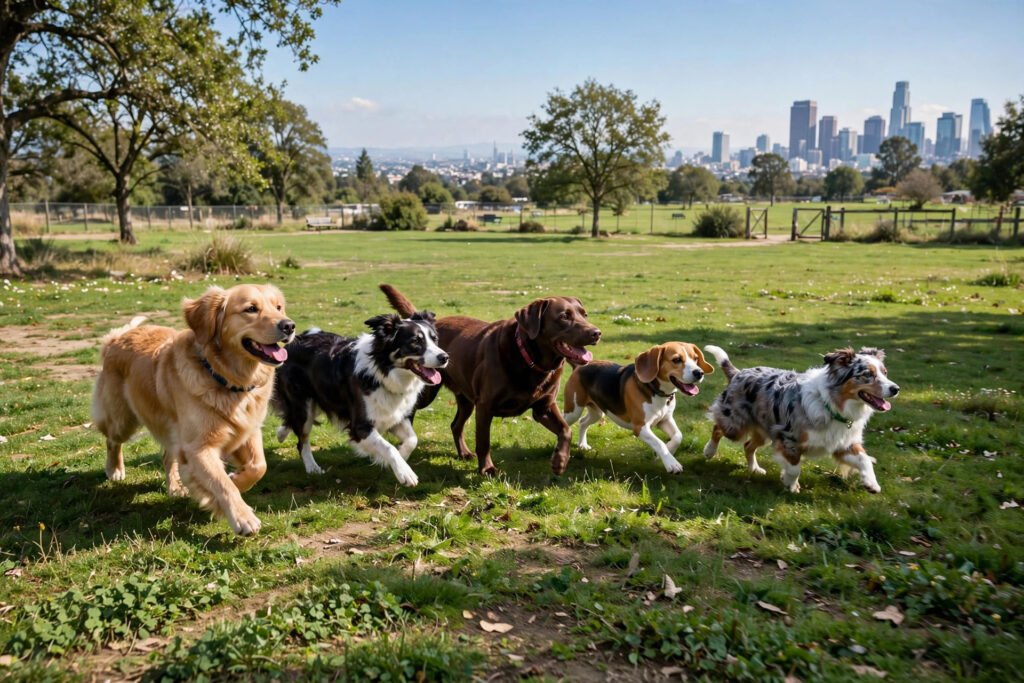
Best Dog Parks in the Chicago Area (2026 Guide)
Chicago might be the best big city in America to own a dog. The city operates more dog-friendly areas than most metros, the lakefront offers miles of running space, and the suburbs add sprawling off-leash parks that rival anything in the country. But not all dog parks are equal — some are muddy postage stamps, others are canine paradises with separate small-dog areas, agility equipment, and lake access.
This guide rounds up the best dog parks in the Chicago area for 2026 — the standouts in the city, the suburban gems worth the drive, what to look for in a great dog park, and the etiquette rules that keep them enjoyable for everyone. Leash up.
Chicago’s Best In-City Dog Parks
Montrose Dog Beach (Montrose Beach): The crown jewel. Chicago’s first official dog beach offers fenced sand and direct Lake Michigan access where dogs can actually swim. It gets crowded on summer weekends — go early — but there is nothing else like watching your dog sprint into the lake with the skyline behind them. The volunteer-run association keeps it maintained; consider a membership to support it.
Wiggly Field (Noel Park, Lincoln Park): One of the city’s most beloved dog parks, with separate areas for large and small dogs, agility equipment, and a social scene that functions as a neighborhood hangout. The surface holds up well and the regulars are friendly.
Horner Park Dog Friendly Area: A North Side favorite with generous space, separate small-dog section, and a community that actually picks up after their dogs. The mature trees provide rare summer shade.
Challenger Park Dog Area (Streeterville): Small but perfectly formed for downtown dwellers — proof you do not need the suburbs for quality off-leash time. Great for high-rise dogs who need a quick, safe run.
Margate Park Dog Beach (Uptown): The north-side alternative to Montrose — smaller, calmer, and beloved by locals. Ideal if Montrose’s crowds overwhelm your dog.
The City of Chicago’s official dog-friendly areas page lists all designated DFAs with locations and rules.
Suburban Dog Parks Worth the Drive
Prairie Wolf Dog Park (Lake Forest): 44 acres of off-leash paradise — fields, woods, trails, and a pond. This is the gold standard suburban dog park, worth the drive from anywhere in the metro. Your dog will sleep for two days after.
Johnson’s Dog Beach (Evanston): A lakefront off-leash beach north of the city with calmer vibes than Montrose. Evanston residents get priority access; check current permit rules for non-residents.
Beck Lake Dog Area (Cook County Forest Preserves): Part of the forest preserve system, offering wooded trails and open areas. The natural setting beats fenced urban lots for dogs who love to explore.
Canterberry Dog Park (suburban locations): Well-maintained fenced parks with agility features and separate small-dog areas. Check your suburb’s park district site for the nearest location.
Most suburban parks require permits or memberships ($25-$75/year typically) — buy them; the fees fund maintenance and keep facilities excellent.
What Makes a Great Dog Park (and a Bad One)
Look for: separate small/large dog areas, double-gated entries (so dogs cannot bolt), adequate size for the crowd, water stations, waste bag dispensers that are actually stocked, shade, good drainage (Chicago parks turn to mud pits without it), and posted rules that are enforced.
Avoid: parks where owners cluster around the entrance chatting on phones while dogs mob newcomers (entrance crowding causes most dog-park fights), parks with broken fencing, and any park where aggressive dogs are tolerated. Visit a new park without your dog first during peak hours — 15 minutes of observation tells you everything about the culture.
Size matters most for high-energy dogs. A 40-pound adolescent lab needs room to sprint; a postage-stamp park will frustrate them into bad behavior. Match the park to your dog’s energy, not your convenience.
Dog Park Etiquette: The Unwritten Rules
The written rules are posted at every Chicago DFA: vaccinations current, dogs licensed, no dogs in heat, no aggressive dogs, pick up waste, supervise your dog. The unwritten rules matter more: watch your dog, not your phone. Most incidents happen because owners are distracted. Do not bring food or treats into the off-leash area (resource guarding), keep puppies under 4 months at home until vaccinated, and leave if your dog is overwhelming others — not every dog is a dog-park dog, and that is fine.
Know your dog’s play style. Rough-and-tumble wrestlers need like-minded partners; herding dogs that nip heels need supervision; shy dogs need gradual exposure, not flooding. And always have recall reasonably solid before going off-leash — “reasonably” meaning your dog comes back when called away from other dogs, not just in your living room.
After the park, rinse muddy paws — especially in winter when traveling with your dog or daily walks demand paw care. And if you are making a day of it with the family, indoor activities for kids pair well with a tired, happy dog napping at home afterward.
Before heading out, check the American Kennel Club’s dog park safety resources for seasonal guidance, and remember that socialization is a year-round project — a well-exercised dog is a well-behaved dog in every season. Chicago’s dog community is famously welcoming; regulars at parks like Wiggly Field and Horner Park will quickly teach you the local rhythms, the best off-peak hours, and which entrance regulars prefer. Show up consistently, follow the etiquette, pick up after your dog without being asked, and you will have a second social circle within a month. And if you are visiting with an anxious or reactive dog, go during off-peak weekday mornings when crowds are thinnest — building positive associations gradually beats overwhelming them on a packed Saturday.
Conclusion
From Montrose Dog Beach’s lakefront sprints to Prairie Wolf’s 44 wooded acres, Chicago-area dogs have it better than almost anywhere. Pick parks matched to your dog’s size and energy, visit first without your dog to check the culture, follow the etiquette that keeps parks safe, and get the suburban permit — it is the best $50 you will spend all year. Now go tire them out.
Frequently Asked Questions
What is the best dog park in Chicago?
Montrose Dog Beach is the most famous for its lake access, while Wiggly Field and Horner Park are top picks for fenced play. In the suburbs, Prairie Wolf Dog Park in Lake Forest (44 acres) is widely considered the best in the metro area.
Do Chicago dog parks require permits?
City of Chicago dog-friendly areas are free to use, but many suburban parks require annual permits ($25-$75). Some lakefront beaches have residency requirements — check before visiting.
Can puppies go to dog parks in Chicago?
Wait until your puppy is at least 4 months old and fully vaccinated. Young puppies are vulnerable to parvovirus and other diseases common in high-traffic dog areas.
Are there separate areas for small dogs?
The best Chicago-area parks (Wiggly Field, Horner Park, Prairie Wolf) have dedicated small-dog sections. Always check before visiting with a dog under 25 pounds.
What should I bring to the dog park?
Water and a bowl, waste bags (even if dispensers exist), a leash, and your phone for emergencies. Do not bring food, treats, or toys that cause guarding — and leave retractable leashes at home.