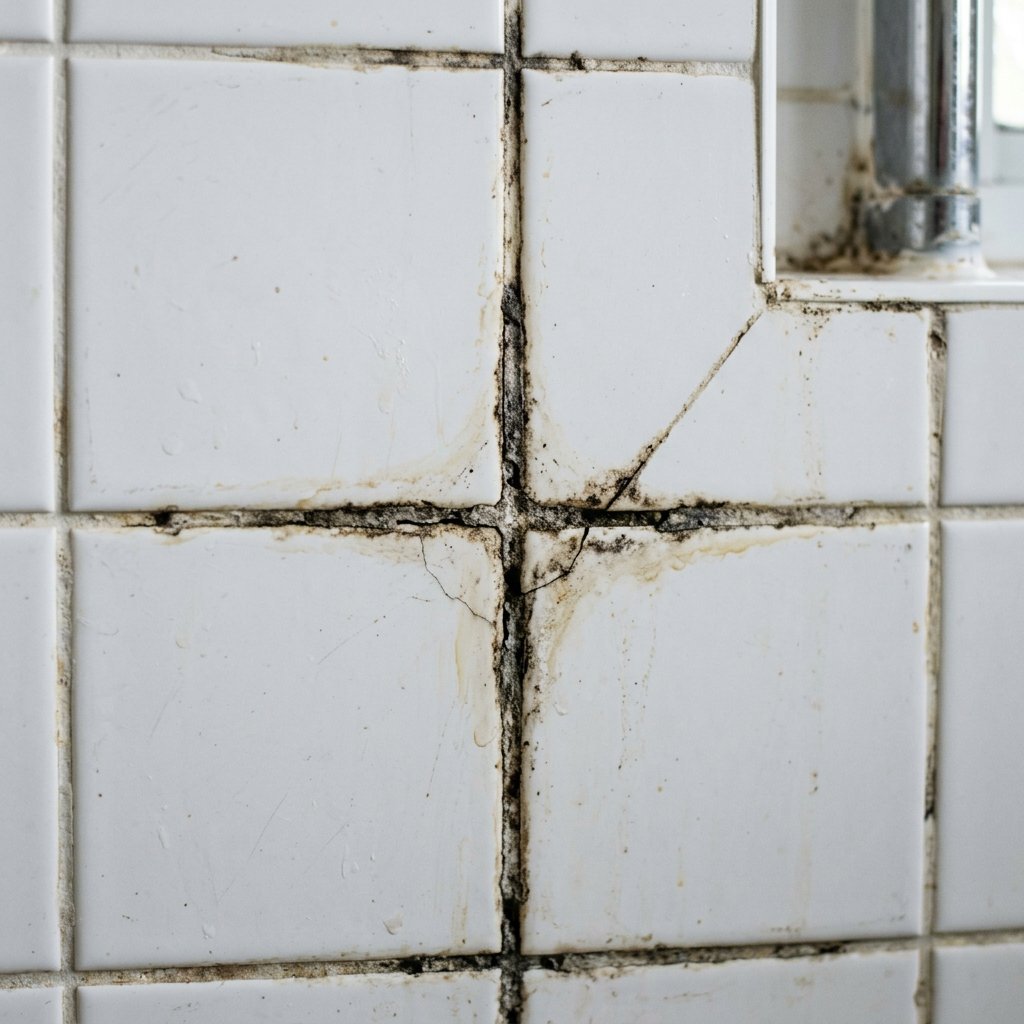
Found Mold Behind Your Bathroom Tiles? Here’s What to Do
Found Mold Behind Your Bathroom Tiles? Here’s What to Do
Finding mold behind bathroom tiles is unsettling — that dark, fuzzy stuff where the wall should be clean. Your first instinct might be to bleach it and re-tile over it. Don’t. Mold behind tiles means moisture got where it shouldn’t, and covering it up guarantees a bigger problem later.
Here’s how to assess what you’re dealing with and fix it properly.
Assess the Extent Before Anything Else
Small, surface-level mold on grout or caulk is common and DIY-friendly — that’s usually just poor ventilation, not a wall failure. But mold behind the tiles themselves (visible when a tile is loose, or dark staining spreading across grout lines that won’t scrub off) means water has penetrated the wall assembly. That’s a different problem.
Check how far it goes: carefully remove one loose tile or inspect around fixtures. If the mold covers less than about 10 square feet, the drywall behind is intact (not crumbling or soft), and nobody in the house has mold-related health issues, DIY remediation is reasonable. If the affected area is larger, the wall material is soft or crumbling, you smell mustiness throughout the bathroom, or anyone has asthma, allergies, or immune issues — call a professional mold remediator. Disturbing large mold colonies without containment spreads spores through the house.
The Proper DIY Fix
Gear up first: N95 respirator ($5), goggles, and gloves — non-negotiable even for small jobs. Remove the affected tiles carefully (they’re likely already loose if mold is behind them) and cut out the damaged wall section with a utility knife, going at least 12 inches past visible mold. Bag the debris in sealed plastic immediately.
Scrub the exposed framing and surrounding areas with a mold-killing cleaner (concrobium or a borax solution — skip bleach on porous materials; it doesn’t kill roots in wood/drywall and the fumes in a small bathroom are brutal). Let everything dry completely — run a fan and dehumidifier for 24 to 48 hours. Replace with mold-resistant drywall (green or purple board, $15 to $20 a sheet) or, in shower areas, cement backer board ($12 to $15 a sheet) — never put regular drywall back in a wet zone. Then re-tile, grout, and caulk properly.
Fix the Moisture Source or It Comes Back
Mold is a moisture problem wearing a mold costume. Find the water: failed caulk around the tub or shower (the #1 culprit — recaulk yearly), grout cracks letting water behind tiles, a leaking shower valve or pipe inside the wall, or chronic humidity from no exhaust fan. Run the shower and watch for drips; check the access panel behind the shower plumbing if you have one.
Ventilation is the long-term fix: run the exhaust fan during every shower and for 20 minutes after (a $15 humidity-sensing switch automates this — best $15 in bathroom upgrades). If there’s no fan, installing one ($150 to $300 professionally) pays for itself in prevented damage. Squeegee shower walls after use — 30 seconds that dramatically reduces moisture. And keep bathroom humidity under 50% with a small hygrometer ($10) so you actually know. Fix the water, and the mold has nothing to eat.
Mold Behind Tiles: Action Steps
In order:
- Assess: under 10 sq ft and solid wall = DIY; larger or crumbling = call a pro.
- Gear up: N95 respirator, goggles, gloves — always.
- Remove affected tiles and cut out damaged wall 12 inches past visible mold.
- Clean framing with mold-killing cleaner; dry 24-48 hours with fan.
- Rebuild with mold-resistant drywall or cement backer board — never regular drywall in wet zones.
- Find and fix the moisture source: caulk, grout, leaks, ventilation.
- Install or upgrade the exhaust fan; keep humidity under 50%.
The Bottom Line
Mold behind bathroom tiles means moisture breached the wall — clean it properly with protection, rebuild with moisture-resistant materials, and fix the water source. Small areas are very DIY-able; large areas or health concerns mean calling a professional.
Don’t just bleach and re-tile. The mold will be back within months, and it’ll bring friends. Fix the moisture once, fix it right.
Mold, Health, and When to Worry
Let’s be honest about mold and health: most bathroom mold (common Cladosporium, Aspergillus) causes problems mainly for sensitive individuals — allergy sufferers, asthmatics, infants, elderly, and immunocompromised people. Symptoms include sneezing, itchy eyes, coughing, and worsened asthma around the mold source. If anyone in the house has these symptoms that improve when away from home, take the mold seriously and consider professional assessment rather than DIY.
The infamous ‘toxic black mold’ (Stachybotrys) gets disproportionate fear — it’s less common than believed, requires sustained heavy moisture, and its health effects are debated beyond allergic reactions. But you don’t need to identify the species to act correctly: any significant indoor mold growth indicates a moisture problem that needs fixing, and large colonies should be remediated with proper containment regardless of species. Don’t pay for mold species testing before fixing the moisture — it’s usually unnecessary expense.
Protect yourself during any mold work: N95 respirator minimum (not a dust mask — they don’t filter spores adequately), goggles, gloves, and containment (seal the work area with plastic sheeting, run a fan exhausting outward) for anything beyond tiny surface spots. Keep children, pets, elderly, and sensitive individuals out of the work area entirely. And if remediation reveals the problem is bigger than expected — mold inside wall cavities, under flooring, in HVAC — stop and call a professional. Knowing when to hand off is part of doing it right.
Quick Answers
Is all bathroom mold dangerous?
Most common bathroom molds primarily affect sensitive individuals (allergies, asthma). But any significant growth signals moisture problems needing fixes, and large areas warrant professional remediation.
Does bleach kill mold?
On hard non-porous surfaces, yes. On porous materials (drywall, wood), bleach doesn’t kill roots and the water in it feeds regrowth. Use dedicated mold-killing cleaners instead.
How do I prevent bathroom mold long-term?
Ventilation (exhaust fan every shower + 20 min after), fixing leaks promptly, squeegeeing shower walls, and keeping humidity under 50%.
The re-tiling best practices determine whether the fix lasts or repeats. Use cement backer board (not drywall, not even moisture-resistant drywall) in wet areas — it’s the only substrate that doesn’t degrade when water inevitably gets behind tile again. Waterproof the backer board seams and corners with waterproofing membrane ($50 for a shower’s worth) — this is the belt-and-suspenders step that prevents the next mold event. Use polymer-modified thinset (better bond, some water resistance), epoxy grout if the budget allows ($50-$80 versus $15 for cement grout — it’s essentially stain-proof and waterproof), and caulk (not grout) at all change-of-plane joints. The materials cost 20% more; the assembly lasts decades instead of years.
Further reading: the EPA’s guide to mold cleanup in your home, the CDC on mold and health.