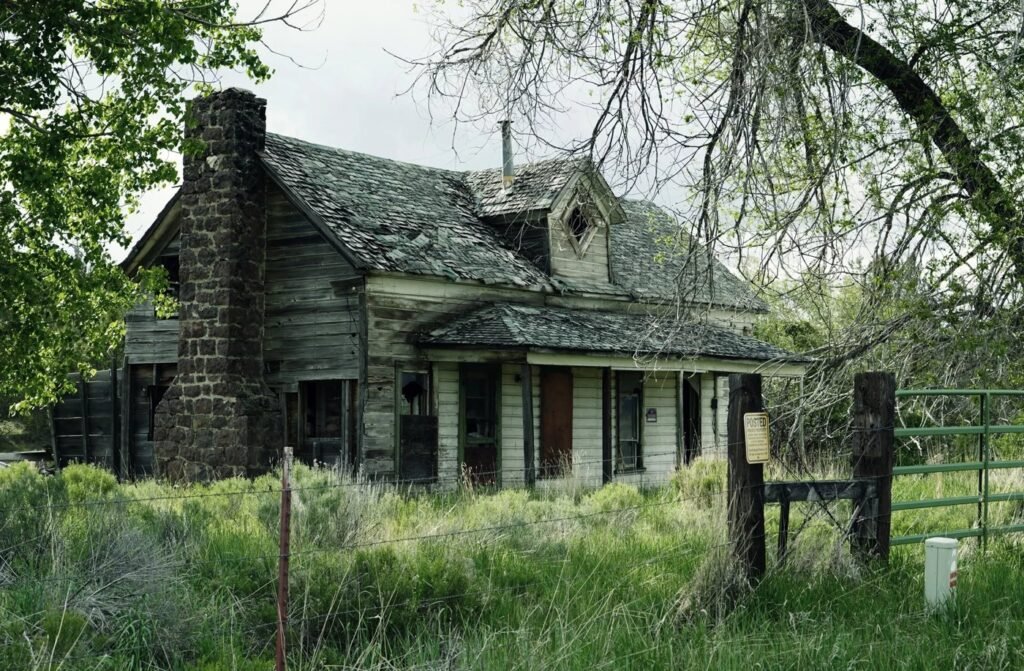
What to Check Before Buying an Older Fixer-Upper Home
What to Check Before Buying an Older Fixer-Upper Home
Fixer-uppers are seductive — the charming bones, the below-market price, the vision of what it could be. And they can be fantastic investments. But the gap between “diamond in the rough” and “money pit” is entirely about what you check before you buy. I’ve watched friends score deals and I’ve watched others discover $40,000 foundation problems after closing.
Here’s the inspection checklist that separates the two outcomes.
The Big Five: Foundation, Roof, Electrical, Plumbing, HVAC
These five systems decide whether a fixer-upper is viable. Foundation: look for horizontal cracks, bowing walls, doors that won’t close, and sloping floors — foundation repairs run $5,000 to $30,000. Roof: missing shingles, sagging, or water stains on ceilings mean a $8,000 to $15,000 replacement. Ask the roof’s age directly; anything over 20 years on asphalt shingles is living on borrowed time.
Electrical: knob-and-tube or aluminum wiring, a fuse box instead of breakers, or a 60-amp panel all signal expensive upgrades ($3,000 to $10,000 for a rewire). Plumbing: galvanized steel pipes corrode from the inside — check water pressure and look for rust-colored water; full repiping costs $4,000 to $12,000. HVAC: a furnace or AC over 20 years old is a $5,000 to $12,000 replacement waiting to happen. Get a general home inspection AND specialists for anything suspicious — the $500 inspection fee is the cheapest money in the whole deal.
The Hidden Costs Nobody Puts in the Listing
Beyond the big five, older homes hide costs in the details. Asbestos (in insulation, tiles, siding) and lead paint (pre-1978 homes) require professional abatement — $2,000 to $10,000 — and you can’t legally DIY some of it. Get testing done during the inspection period; it’s $300 to $500 and non-negotiable for older homes.
Check for water history: musty basements, efflorescence on foundation walls, and fresh paint in suspicious spots (covering stains). Look at the grading around the house — water should flow away from the foundation. Verify permits for any previous renovations; unpermitted additions can torpedo your financing and insurance. And call your insurance company before making an offer — some won’t insure knob-and-tube wiring or old roofs at all, which kills most mortgages.
Running the Numbers Honestly
The rule experienced flippers use: purchase price plus renovation costs should not exceed 70% of the home’s after-repair value, minus your profit margin if you’re investing. For a home you’ll live in, the math is softer, but still do the spreadsheet: get contractor estimates (not guesses) for the major work during your inspection period, then add 20% contingency. Old houses always surprise you.
Budget the unsexy stuff first — roof, systems, foundation, water management — before a dollar goes to cosmetic work. Pretty kitchens on failing foundations are how fixer-uppers become cautionary tales. And be honest about your skills and time: DIY saves money but costs months. A “weekend project” house that needs six months of weekends is a lifestyle decision, not just a financial one. If the numbers work with a 20% buffer and the big five check out, you’ve found a real opportunity.
Fixer-Upper Inspection Checklist
Check these before you make an offer:
- Foundation: cracks, bowing, sloping floors, sticking doors.
- Roof: age, missing shingles, sagging, ceiling water stains.
- Electrical: panel type, wiring type (knob-and-tube = red flag).
- Plumbing: pipe material, water pressure, rust-colored water.
- HVAC: age and condition of furnace and AC.
- Test for asbestos and lead paint in pre-1978 homes.
- Verify permits for prior renovations; check insurance eligibility.
- Run the numbers: purchase + reno + 20% contingency vs. after-repair value.
The Bottom Line
Before buying an older fixer-upper, inspect the big five (foundation, roof, electrical, plumbing, HVAC), test for hazardous materials, verify permits and insurance, and run honest numbers with a 20% contingency. The inspection period is your only risk-free window — use all of it.
The best fixer-uppers are cosmetically ugly but structurally sound. Ugly is cheap to fix; structural is not. Learn to tell the difference and you’ll buy with confidence.
Financing and Offer Strategies for Fixer-Uppers
Standard mortgages often don’t work for true fixer-uppers — lenders won’t finance homes with failing roofs, missing systems, or habitability issues. The tools that do: FHA 203(k) loans bundle purchase and renovation into one mortgage (3.5% down, but with paperwork and contractor requirements); Fannie Mae HomeStyle works similarly for conventional borrowers; and construction-to-permanent loans suit major overhauls. Get pre-approved for the right product before house-hunting — a standard pre-approval letter for a fixer-upper purchase is worthless if the property won’t qualify.
Your offer should reflect the work needed, and the inspection period is your leverage. In competitive markets, buyers waive inspections — never do this on a fixer-upper; it’s how $40,000 surprises happen. Instead, compete on other terms: flexible closing dates, larger earnest money, fewer contingencies besides inspection. After inspections, renegotiate based on findings with contractor quotes in hand — sellers of fixer-uppers usually expect this dance and price accordingly.
Budget discipline separates successful flippers from cautionary tales: lock your renovation budget before closing, fund the contingency account (20% minimum) and don’t touch it for upgrades, and phase the work so the house is livable early (systems and one bathroom first, cosmetics later). The most common failure mode isn’t buying the wrong house — it’s scope creep turning a $30,000 renovation into a $60,000 one. Every ‘while we’re at it’ needs to survive the question: does this add value or just cost?
Quick Answers
How much below market should a fixer-upper be?
Enough that purchase plus renovation stays under 70-75% of after-repair value. The discount must cover both the work and your risk.
Should I waive inspection on a fixer-upper?
Never. The inspection period is your only risk-free window to discover deal-breakers. Compete on other terms instead.
What loan works for fixer-uppers?
FHA 203(k) and Fannie Mae HomeStyle bundle purchase plus renovation. Standard mortgages often won’t cover uninhabitable properties.
The neighborhood trajectory matters as much as the house itself. A fixer-upper in a declining area is a trap — you’ll over-improve for the neighborhood and never recover the investment. Look for the signals of an ascending area: young families moving in, coffee shops and renovations appearing, days-on-market dropping, prices rising steadily (not spiking). The ideal is the worst house on the best block, not the best deal in a struggling area. Drive the neighborhood at night and on weekends, talk to neighbors, check crime trends and school ratings trajectories. The house you can fix; the neighborhood you cannot. Buy the trajectory, not just the structure.
Further reading: the Department of Housing and Urban Development on home inspections, the EPA on lead paint in older homes.