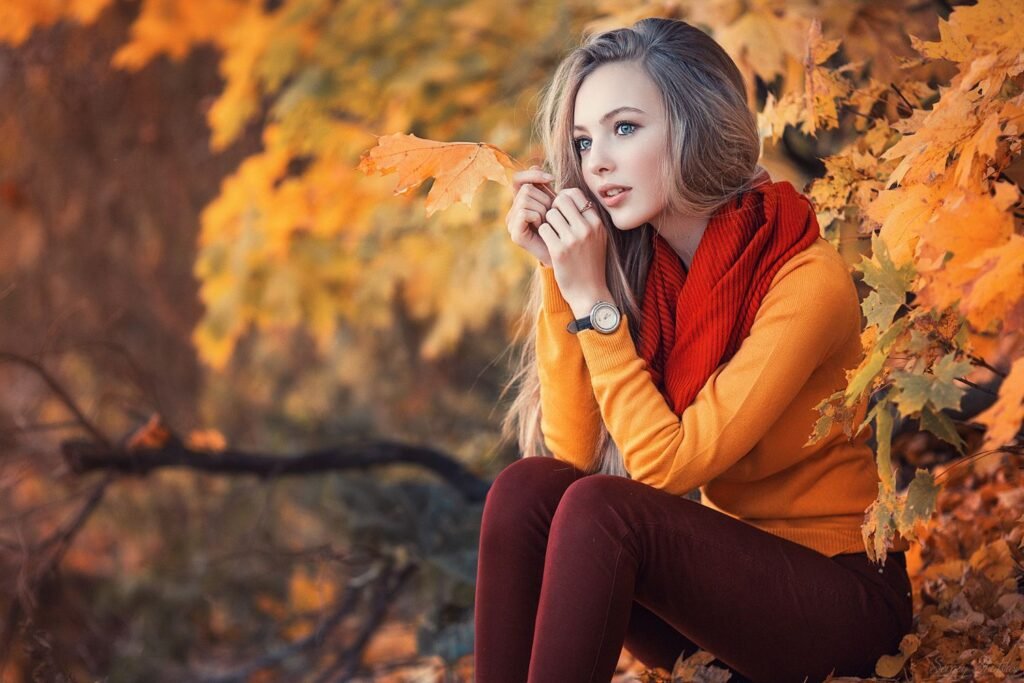
Fall Wardrobe Color Combinations That Always Work
Fall Wardrobe Color Combinations That Always Work
Fall is the best-dressed season — rich colors, layered textures, boots — but it also brings the annual question: what actually goes together? The wrong combinations look muddy; the right ones look like you hired a stylist.
I’ve spent years refining a fall palette, and color theory turns out to be simpler than the fashion world makes it seem. Here are the combinations that always work and the system behind them.
The Fall Neutrals: Your Foundation
Every fall wardrobe starts with neutrals that do the heavy lifting: camel/tan, chocolate brown, charcoal gray, black, cream/ivory, olive (which functions as a neutral in fall), and navy. These mix with everything and with each other — camel + gray, brown + black (yes, it works — the old rule is dead), navy + brown, cream + everything.
The key insight: fall neutrals are warm-leaning. Camel, cognac, chocolate, and rust flatter the season’s light and complement autumn’s natural palette. Cool grays and stark blacks still work, but warming them with a camel or olive piece keeps outfits from looking wintry. One warm neutral per outfit is the simple rule.
Build your base in these neutrals first — coat, boots, trousers, sweaters — then add color on top. A neutral foundation means every colored piece you own coordinates automatically, which is how small wardrobes produce endless outfits.
What Colors Go Well Together for a Fall Wardrobe? The Winning Combos
The classics: camel + black (the chicest fall combination in existence), olive + tan, burgundy + navy, rust + denim blue, chocolate + cream, forest green + camel, mustard + gray, plum + black. Each pairs a rich fall color with a grounding neutral — contrast without clash.
Color-on-color, done right: burgundy + rust (analogous warmth, very autumn), olive + forest green (tonal dressing, sophisticated), camel + chocolate (tonal neutrals, expensive-looking). Tonal outfits — same color family, different shades — are the easiest ‘advanced’ styling trick: they always coordinate and read as intentional.
The accent formula: neutral base + one rich color. Gray outfit + burgundy scarf. Black dress + camel boots and bag. Navy suit + rust tie or pocket square. One color accent against neutrals is foolproof and photograph-friendly. Two accents can work if they’re related (burgundy + rust); three unrelated brights is where outfits fall apart.
Building Your Personal Fall Palette
Start with your base neutrals (pick 3–4 you love and that suit you), add 2–3 accent colors that make you happy, and that’s your palette — everything you buy must coordinate with it. This constraint is liberating: shopping gets faster, outfits assemble themselves, and your wardrobe looks curated instead of accumulated.
Consider your coloring loosely: warm undertones glow in camel, rust, olive, and mustard; cool undertones shine in burgundy, navy, forest green, and charcoal. These aren’t rules — plenty of people wear everything — but if a color consistently makes you look tired, your palette has the answer.
Test combinations in daylight before committing — store lighting lies. Lay pieces together, photograph them (the camera sees color relationships objectively), and live with the photo for a day. Your eye calibrates fast; within a season you’ll assemble fall outfits on autopilot. The Who What Wear's fall color coverage seasonal color coverage offers visual inspiration if you want to see these combos in action.
Textures: Fall's Secret Color Multiplier
Fall’s real magic isn’t just color — it’s texture. The same burgundy in wool, corduroy, leather, and silk reads as four different colors. Mixing textures within a palette adds depth that color alone can’t: a camel wool coat over a cream knit with leather boots and a suede bag is interesting because of the surfaces, not just the shades.
Lean into fall’s textile bounty: chunky knits, corduroy, suede, leather, flannel, tweed, cashmere. Texture mixing is also forgiving — slightly-off colors harmonize when textures differ, which makes outfit assembly easier. A monochromatic outfit in mixed textures (all-cream knit + wool + leather) is the quiet-luxury uniform for a reason.
Practical note: texture needs care — suede protector before first wear, knit storage folded not hung, leather conditioning. Fall pieces are investments; the season’s fabrics reward maintenance. And when building these outfits affordably, remember our guide to InStyle on fall colors — fall is prime thrift season for wool and leather.
The One-Accent Rule in Practice
The simplest fall styling formula that never fails: build the outfit in neutrals, then add exactly one rich accent color. Gray sweater + dark jeans + burgundy scarf. Black dress + camel boots + olive bag. Navy trousers + cream knit + rust belt. The neutrals do the work; the accent provides the fall feeling. One accent is foolproof — it’s nearly impossible to get wrong.
Where to put the accent for maximum effect: near the face (scarves, hats, earrings) — it brightens your complexion and photographs best; or in the shoes/bag — grounding the outfit with color. Avoid splitting the accent across many small items (burgundy scarf + burgundy shoes + burgundy bag can look matchy rather than styled — pick one placement and commit).
Breaking the rule (once you’ve mastered it): two related accents work when they’re analogous — burgundy + rust, olive + forest, camel + chocolate. They read as one color story, not two competing ones. Three unrelated brights is where outfits collapse. And the advanced move: let texture be the second ‘accent’ — an all-neutral outfit in mixed textures (wool, leather, suede) needs no color accent at all to look richly autumnal.
Keep a phone album of your best fall combinations as you discover them — by November you’ll have a personal lookbook that makes getting dressed effortless, and next September you’ll thank yourself for the head start. Style is cumulative; every season builds on the last.
The Takeaway
Anchor in warm neutrals (camel, brown, gray, navy), add 1–2 rich accents (burgundy, rust, olive, forest), and multiply interest with texture. One palette, endless outfits.
Photograph combinations in daylight, trust tonal dressing, and let texture do half the work. Fall practically styles itself once the palette is set.