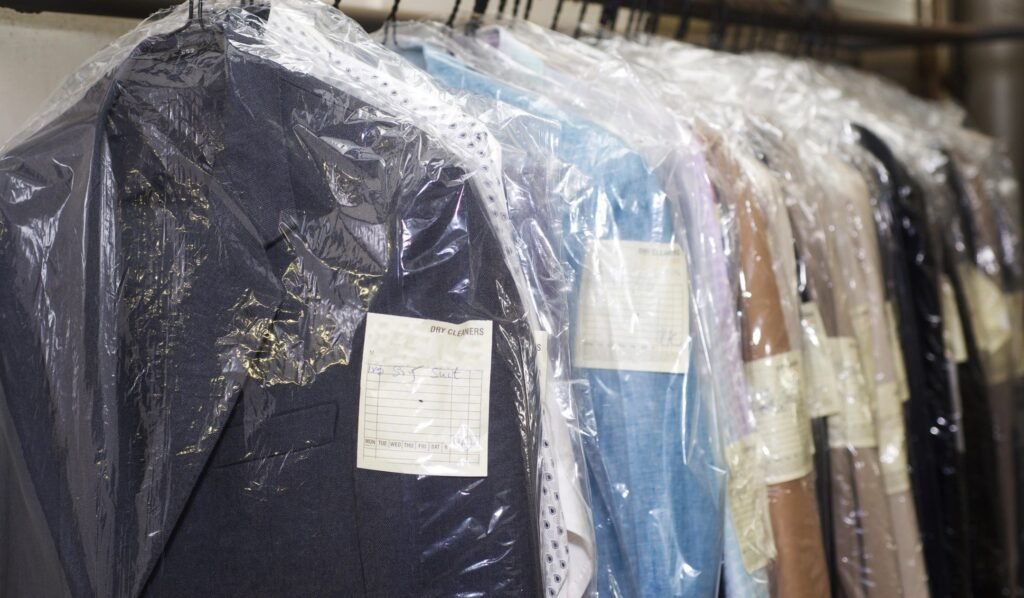
How Much Does Dry Cleaning a Suit Cost? (2026 Prices)
How Much Does Dry Cleaning a Suit Cost? (2026 Prices)
That suit you wear twice a year is due for a cleaning, and you have no idea what it’ll cost — $15? $50? Dry cleaning prices are oddly mysterious until you’re standing at the counter, and suit pricing has its own logic.
I’ve dry cleaned everything from thrifted blazers to wedding suits, and the price range is wider than you’d expect. Here’s what suits really cost to clean and how to spend wisely.
The 2026 Price Breakdown
A two-piece suit (jacket + trousers) typically costs $15 to $35 to dry clean in most US markets, with $20–$25 the national sweet spot. Three-piece suits (adding the vest) run $25 to $45. Separates pricing: suit jacket/blazer $8–$18, trousers $7–$14, vest $6–$12. These are standard-service prices; express/rush adds 50–100%.
Geography swings hard: Manhattan, San Francisco, and central Chicago run 40–80% above national averages (a two-piece suit can hit $40–$50), while smaller cities and suburbs often come in under $20. Tourist and business-district locations charge premiums over neighborhood shops — the same chain prices differently by zip code.
Surcharges to watch: stain treatment ($5–$15 extra), hand-finishing or hand-pressing versus machine press (adds $5–$10, worth it for quality suits), and ‘designer’ surcharges some shops apply arbitrarily. Ask what’s included before handing over the suit — ‘clean and press’ should mean both, but confirm.
How Much Does Dry Cleaning a Suit Usually Cost? How Often You Actually Need It
Here’s what the industry won’t tell you: most suits need dry cleaning far less often than people assume — typically after 3–5 wearings, or once or twice a season for occasional wear. Over-cleaning is the real enemy: the chemical solvents and pressing gradually degrade wool fibers, fade color, and wear the fabric. Your suit lasts longer with less cleaning, not more.
Between cleanings, maintain: air the suit for 24 hours after wearing (on a proper wide-shouldered hanger, never wire), brush with a clothes brush ($10, removes dust and revives nap), spot-clean small marks immediately with a damp cloth, and steam wrinkles instead of pressing. A handheld steamer ($25) is the suit-owner’s best friend.
The sniff test is unreliable — wool naturally resists odor. Unless there’s a visible stain or real odor, brushing + airing + steaming suffices. Save the chemicals for genuine need. This restraint alone can double a suit’s lifespan.
Cheaper Alternatives and When to Use Them
Press-only service ($5–$10) refreshes wrinkles without chemicals — perfect between cleanings when the suit just needs crisping. Many shops offer it; ask specifically, since it’s rarely advertised. At-home steam plus press-only covers 80% of ‘cleaning’ needs.
Washable suits exist now — several brands make machine-washable wool-blend suits ($200–$400) designed for frequent travelers. If you wear suits weekly, the dry-cleaning savings pay for the suit within a year or two. Performance-fabric suits (stretch wool blends) also resist wrinkles and odors far better than traditional wool.
For trousers specifically: many suit trousers can be hand-washed or gentle-cycled if they’re not fused with heavy interfacing — check the care label (if it says ‘dry clean only,’ obey it; if it says ‘dry clean,’ gentle washing is often fine). When in doubt about a beloved suit, don’t experiment — but for replaceable trousers, the experiment is low-risk.
Choosing a Dry Cleaner Worth Your Suit
Not all cleaners are equal, and suits reveal the difference. Look for: cleaners who ask about stains upfront (good ones pre-treat and discuss), hand-finishing options, and experience with quality garments (ask how they handle canvassed vs. fused jackets — a blank stare is a red flag). Avoid the cheapest option for good suits; the price difference between adequate and excellent is a few dollars.
Build the relationship like you would with a tailor: consistent cleaner, clear communication (‘please hand-press the lapels, light starch on the shirt’), and feedback when something’s perfect. Good cleaners remember preferences and handle your clothes with increasing care over time.
Inspect at pickup, not at home: check buttons (the most commonly damaged item — loose or missing buttons should be caught at the counter), look for new stains or press marks, and verify everything you dropped off came back. Reputable shops fix their mistakes free; catching it at the counter makes it undeniable. For keeping the rest of your wardrobe fresh between cleanings, see our guide to Art of Manliness on suit care.
Stain Emergency: What to Do Before the Cleaner
A stain on a suit doesn’t always mean an immediate cleaner trip — fast home action often saves the garment (and the cleaning bill). The protocol: blot immediately (never rub — rubbing spreads and grinds the stain in), identify the stain type, and treat minimally. Water-based stains (coffee, wine): blot, then dab with a damp cloth and tiny amount of mild soap. Oil-based (food grease): cover with talc or cornstarch to absorb, brush off after 15 minutes.
What not to do: don’t apply heat (no hair dryers, no hot water — heat sets stains permanently), don’t use bleach or harsh chemicals on wool (they damage fibers and can set certain stains), and don’t scrub aggressively (it damages the weave and creates a visible worn patch worse than the stain). When in doubt, blot with plain water and stop — a professional can work with an untreated stain far better than a home-chemistry experiment gone wrong.
Tell the cleaner everything: what the stain is, what you’ve already tried, and how long ago it happened. This information determines the treatment — cleaners have specialized solvents for different stain types, but only if they know what they’re treating. Bag the garment separately, don’t let the stain sit for weeks, and point it out at drop-off (don’t assume they’ll find it). Fast, honest, minimal intervention wins.
The Takeaway
$15–$35 for a two-piece suit in most markets ($20–$25 typical), more in big cities. But clean suits only 3–5 wearings apart — over-cleaning wears them out faster than wearing does.
Brush, air, and steam between cleanings; press-only for refreshes. Your suit and your wallet both last longer.