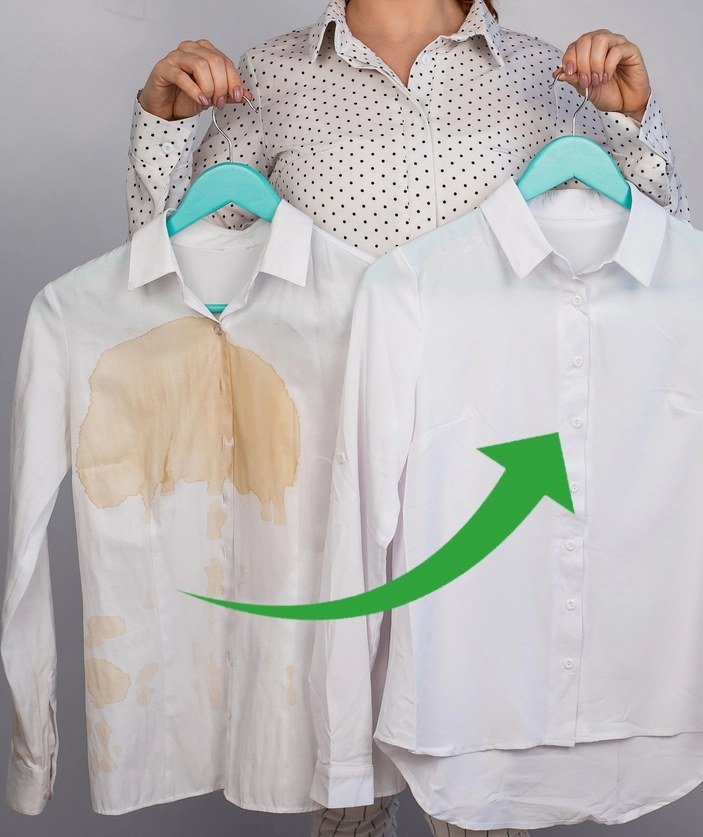
How to Remove Stains From White Shirts at Home
How to Remove Stains From White Shirts at Home
White shirts are wardrobe essentials and stain magnets in equal measure. Coffee, spaghetti sauce, deodorant marks, that mysterious yellow underarm tint — every white shirt owner knows the heartbreak of a favorite shirt slowly graying into retirement.
I’ve rescued dozens of white shirts over the years, and stain removal is far more science than luck. Timing, temperature, and the right treatment order matter enormously. Here’s the complete home guide.
The Golden Rules (Read Before Touching Anything)
Rule one: act fast. Fresh stains come out dramatically easier than set ones — treat within minutes when possible, hours at latest. Rule two: blot, never rub. Rubbing spreads the stain and drives it deeper into fibers; blotting lifts it out. Rule three: cold water first for most stains — hot water sets protein stains (blood, sweat, dairy, egg) permanently. The number-one stain mistake is hot water on a protein stain.
Rule four: identify before treating. Different stains need different chemistry — what dissolves grease does nothing for tannin (coffee, wine, tea), and bleach on the wrong stain can set it forever. Rule five: test in a hidden spot (inside hem, underarm) before applying anything strong. And rule six: never put a stained shirt in the dryer until the stain is fully out — dryer heat sets stains permanently. Air-dry and re-check in daylight.
How Can I Remove Stains From White Shirts at Home? By Stain Type
Sweat and deodorant (the yellow underarm curse): make a paste of baking soda + hydrogen peroxide (3%) + a drop of dish soap, work into the stain, wait 30 minutes, then wash. For set-in yellowing, soak in oxygen bleach (OxiClean) solution for 4–6 hours. Prevention beats cure: let deodorant dry fully before dressing, and consider undershirts for heavy sweaters.
Coffee and tea: blot immediately, flush with cold water from the back of the fabric, then treat with a mix of white vinegar and dish soap (or a dedicated tannin remover). Wash in the warmest water the fabric allows. Never use bleach on coffee stains first — it can set the tannin.
Food grease and oil: cover fresh grease with cornstarch or baking soda for 15 minutes to absorb, brush off, then apply dish soap directly (it’s engineered to cut grease) before washing in hot water. For set grease, an overnight soak in hot water + oxygen bleach usually finishes it.
Red wine: blot, cover generously with table salt (it draws the wine out — you’ll watch it turn pink), then flush with cold water and treat with hydrogen peroxide + dish soap. White wine on the stain first is folk wisdom with real logic — it dilutes the pigment before it sets.
Ink: dab (don’t rub) with rubbing alcohol on a cotton ball, working from outside in, with a towel behind the fabric to absorb. Repeat until gone, then wash. Ballpoint responds well; gel and permanent inks are harder — hairspray is mostly myth now (modern formulas lack the alcohol that made it work).
The Dingy Whites Problem: Overall Brightening
When the whole shirt has grayed rather than spotted, that’s detergent buildup and body-oil accumulation — a different fix. Strip the buildup: soak in hot water with washing soda (sodium carbonate) + oxygen bleach for 4–6 hours, occasionally agitating. You’ll be disturbed by the water color; that’s the point.
For maintenance brightness: add 1/2 cup baking soda or oxygen bleach to every white load, use the right detergent amount (overdosing leaves residue that grays fabric — most people use 2x too much), wash whites separately in hot water, and skip fabric softener on whites (it coats fibers and traps dinginess). Vinegar in the rinse (1/2 cup) dissolves mineral and detergent residue naturally.
Sunlight is the free bleach: line-drying whites in direct sun brightens them naturally via UV — the old-fashioned method works. Just don’t leave them for days (UV degrades fabric over time). And replace washing machines’ residue periodically with an empty hot cycle + vinegar; a dirty machine can’t clean clothes.
What NOT to Do
Don’t use chlorine bleach as your first resort — it’s harsh on fabric, yellows over time (especially on synthetics and with hard water), and sets certain stains (rust, some dyes) permanently. Oxygen bleach is safer and more effective for most home stain work. If you do use chlorine bleach, never mix with ammonia or vinegar (toxic gases), and dilute properly.
Don’t scrub aggressively — you’ll fray the fabric and create a fuzzy patch that’s more visible than the stain was. Don’t assume expensive stain removers outperform the basics: dish soap, baking soda, hydrogen peroxide, white vinegar, and oxygen bleach handle ~95% of home stains. The $12 specialty bottle is usually repackaged basics.
Don’t give up after one attempt on set stains — repeat treatment 2–3 times before declaring defeat, trying a different chemistry each round (e.g., enzyme treatment, then oxygen soak, then sunlight). And know when to stop: a shirt that’s survived three serious treatments still stained has earned retirement to the rag bag. For keeping the rest of your wardrobe fresh, see our guide to The Spruce stain removal guide.
The Stain Kit: What to Keep on Hand
Assemble a $20 stain kit once and you’ll handle 95% of stains without panic. The essentials: oxygen bleach (OxiClean or similar — the workhorse for whites and colors), hydrogen peroxide 3% (protein and tannin stains), white vinegar (mineral deposits, deodorizing, rinse aid), baking soda (odor, gentle abrasion, grease absorption), dish soap (grease — it’s engineered for it), rubbing alcohol (ink), cornstarch or talc (fresh grease absorption), and a soft brush plus white cloths (colored cloths can transfer dye).
Store it where you’ll actually use it — under the sink or in the laundry area, not the garage. Speed matters more than product choice: the kit’s real value is enabling immediate action, because a stain treated in five minutes with dish soap beats a stain treated tomorrow with a $15 specialty product. Tape the golden rules inside the cabinet door: blot don’t rub, cold water first, never dryer-heat a stain.
Know the kit’s limits: set-in stains older than a few wash-and-dry cycles are often permanent (heat-set dye bonds are chemistry, not dirt), and some stains (rust, certain dyes, bleach spots) need professional help or are irreversible. The kit handles the fresh and the recent — which, handled promptly, is nearly everything life throws at white shirts.
The Takeaway
Blot fast, cold water first, match the chemistry to the stain (dish soap for grease, peroxide paste for sweat, salt for wine), and never dryer-heat a stain that’s still there.
For overall dinginess: oxygen-bleach soaks, correct detergent dosing, and sunlight. Most ‘ruined’ white shirts are just under-treated.