How to Make Restaurant-Quality Scrambled Eggs at Home
How to Make Restaurant-Quality Scrambled Eggs at Home
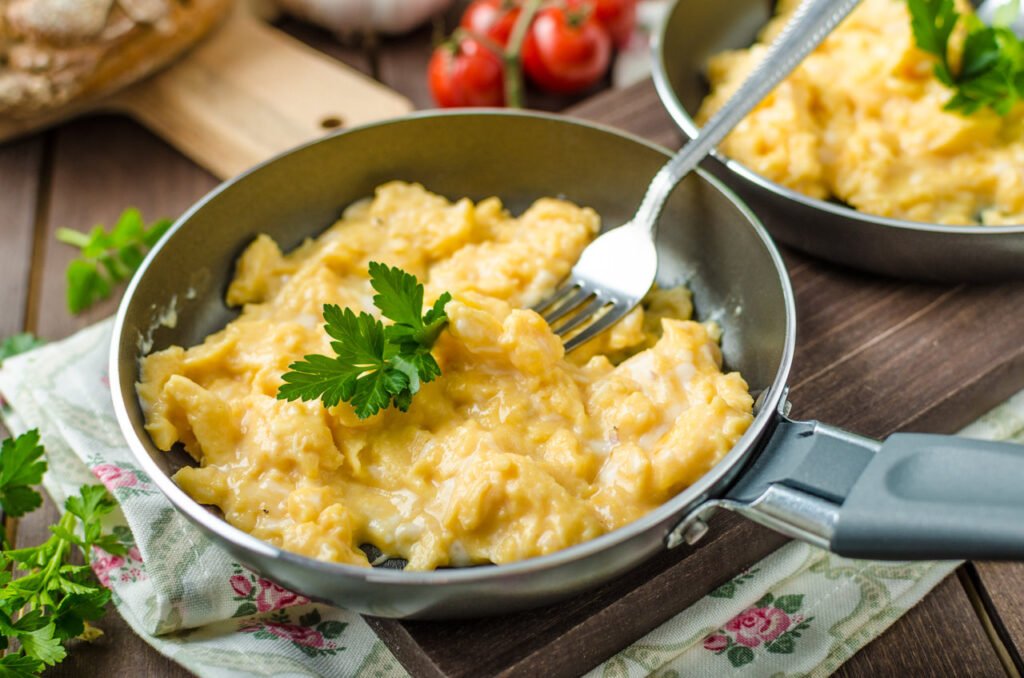
Want to know how to make restaurant-quality scrambled eggs at home? The difference between diner eggs and great eggs isn’t ingredients — it’s technique. Most home cooks use too much heat, not enough motion, and leave the eggs in the pan too long. I learned the proper method from a chef friend years ago and my breakfasts were never the same. Four minutes, one pan, and you’ll understand why people pay $14 for these at brunch.
The Method (Step by Step)
- Prep the eggs. Crack 3 eggs per person into a bowl. Add a pinch of salt now — salting early breaks down proteins for a more tender curd (this is backed by food science, not just tradition). Beat with a fork until no streaks of white remain, about 30 seconds.
- Low heat, butter first. Melt a tablespoon of butter in a nonstick skillet over low to medium-low heat. The butter should foam gently, not brown or sizzle aggressively.
- Eggs in, constant motion. Pour in the eggs and stir slowly but constantly with a silicone spatula, scraping the bottom and pushing the eggs around. Small curds form as you go.
- Off the heat early. This is the critical step: remove the pan from heat when the eggs are about 80% done — still slightly wet and glossy. Residual heat finishes them in the next 30 seconds. If they look “done” in the pan, they’re overdone on the plate.
- Finish. A crack of black pepper, maybe chives or a knob of cream cheese. Serve immediately — scrambled eggs wait for no one.
The Three Mistakes Everyone Makes
- Too much heat. High heat makes eggs rubbery and watery (the proteins seize and squeeze out moisture). Low and slow is the entire game.
- Not stirring enough. Letting eggs sit forms big, dry curds. Constant gentle motion makes small, creamy curds.
- Overcooking. Eggs keep cooking off the heat. Pull them when they look slightly underdone — glossy and soft, not dry.
Variations Worth Trying
- Creamy French-style: Even lower heat, stir for 5-6 minutes, finish with a spoonful of crème fraîche or cream cheese. Custardy and luxurious.
- Gordon Ramsay style: Eggs in a cold pan with butter, on and off the heat in intervals, finished with crème fraîche. Fussy but excellent.
- Diner-style: Slightly higher heat, bigger curds, cooked a touch firmer. Not fancy, but satisfying.
- Loaded: Fold in shredded cheese, sautéed mushrooms, or fresh garlic and spinach at the end.
The pan matters less than the technique, but a decent nonstick skillet makes life easier — and if you ever graduate to cast iron, well-seasoned iron handles eggs beautifully too.
What About Milk or Cream in the Eggs?
Controversial. A splash of milk makes eggs slightly fluffier but also dilutes flavor and can make them watery if overcooked. Cream or crème fraîche added at the end adds richness without the dilution problem. My take: skip the milk, nail the technique, and add richness at the finish if you want it. Great scrambled eggs need nothing but eggs, butter, salt, and proper heat control.
The Takeaway
Restaurant-quality scrambled eggs are about low heat, constant stirring, and pulling them off early — technique, not ingredients. Four minutes of attention beats any gadget or add-in. Serve alongside a proper quick breakfast and you’ve got a morning worth waking up for. And if you’re wondering whether fancy eggs are worth it — for scrambled eggs, where egg flavor is the whole point, better eggs actually do make a difference.
Frequently Asked Questions
Should I add salt before or after cooking scrambled eggs?
Before — and this one has real science behind it. Salting beaten eggs 10-15 minutes before cooking (or at least when you beat them) dissolves some egg proteins, producing a more tender, evenly textured curd. Eggs salted only at the end taste seasoned on the surface but the interior curds are comparatively bland. The old advice to salt after (claiming salt makes eggs tough) has been debunked by testing — early salting wins on both texture and seasoning.
Why are my scrambled eggs watery?
Almost always too much heat. High heat makes egg proteins contract violently, squeezing out water — that puddle in the pan is overcooked egg weeping. Fix it with lower heat and earlier removal. Other causes: adding milk or water (dilution), overcrowding the pan (use a big enough skillet), or salting very late combined with high heat. Properly cooked low-and-slow eggs release essentially no water.
Can I make scrambled eggs for a crowd?
Yes, but not in one giant pan — a huge mass of eggs cooks unevenly (burnt bottom, raw top). The trick: cook in batches of 8-10 eggs max in a large skillet, and hold finished batches in a warm (not hot) oven at 200°F, covered. Or use the oven method: whisk 18-24 eggs with butter in a greased baking dish, bake at 350°F, stirring every 5 minutes, for 20-25 minutes. It’s not quite as creamy as stovetop, but it feeds a crowd with minimal stress.
What’s the best pan for scrambled eggs?
Nonstick is the easiest and most forgiving — eggs release cleanly even if your heat control isn’t perfect. Well-seasoned carbon steel or cast iron works beautifully once you know what you’re doing (and adds no sticking if properly preheated with butter). Avoid stainless steel unless you’re experienced; eggs bond to it aggressively. Whatever the pan, the rules don’t change: moderate fat, low heat, constant motion, off early.
Can I meal-prep scrambled eggs for the week?
Honestly? Scrambled eggs are one of the few breakfast foods that don’t meal-prep well — they go rubbery and weep liquid when reheated. But there are workarounds: cook them slightly underdone, cool quickly, and refrigerate in portions for up to 3 days; reheat gently in a skillet with a knob of butter rather than the microwave. Better meal-prep options from the egg family: frittatas and egg muffins (baked in muffin tins) reheat beautifully and hold for 4-5 days. For grab-and-go mornings, pair those with other quick breakfast ideas. Save the perfect low-and-slow scrambled eggs for mornings when you have four unhurried minutes — they’re worth the wait.