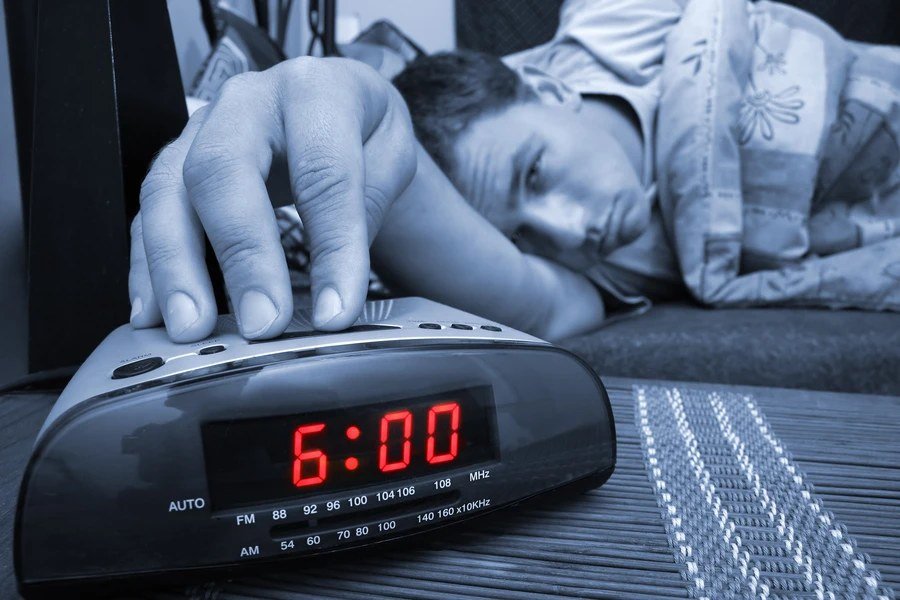
Why do I feel tired even after sleeping eight hours
You did everything right. Lights out at 10:30. Up at 6:30. Eight full hours. And you still feel like you got hit by a truck. If you’re wondering why you’re still tired after 8 hours of sleep, you’re asking one of the most common — and most misunderstood — health questions in America.
The uncomfortable truth: sleep duration and sleep quality are different things. Eight hours of fragmented, shallow sleep can leave you more exhausted than six hours of deep, continuous rest. Here’s what’s actually going on and how to fix it.
Why You’re Still Tired After 8 Hours of Sleep: The Common Causes
1. Poor Sleep Quality (The #1 Culprit)
You were unconscious for 8 hours, but your brain never got the deep sleep it needs. Causes:
- Sleep apnea: breathing interruptions fragment sleep dozens of times per night — often without you waking fully. Loud snoring, morning headaches, and daytime sleepiness are red flags. This affects millions of undiagnosed Americans and is very treatable. If your partner says you stop breathing, get evaluated.
- Alcohol: the cruelest sleep myth. Alcohol helps you fall asleep but destroys sleep architecture — suppressing REM and causing fragmented second-half sleep. That “nightcap” is sabotaging you.
- Fragmented sleep: phone notifications, a restless partner, pets, noise, light — micro-awakenings you don’t remember still wreck sleep quality.
- Late caffeine: caffeine’s half-life is 5–6 hours. That 2 PM coffee is still 25% active at midnight.
2. Sleep Timing vs. Your Body Clock
Sleeping 10:30–6:30 when your body wants 1 AM–9 AM produces “enough” hours of misaligned sleep. Night owls forced into early schedules accumulate a sleep debt that hours alone don’t fix. Consistency matters more than most people realize — irregular sleep schedules are independently linked to worse health outcomes, even with equal total hours.
3. Medical Causes Worth Ruling Out
- Thyroid disorders (hypothyroidism causes fatigue despite adequate sleep)
- Iron deficiency / anemia — extremely common, especially in women
- Vitamin D or B12 deficiency
- Depression and anxiety — fatigue is a primary symptom, and poor sleep is both cause and effect
- Chronic fatigue syndrome, fibromyalgia
- Medications: antihistamines, blood pressure drugs, antidepressants, and others list drowsiness as a side effect
4. Lifestyle Factors
- No daylight exposure: morning sunlight anchors your circadian rhythm. Office workers who never see morning sun sleep worse.
- Sedentary days: physical tiredness and mental tiredness are different — your body needs movement to sleep deeply. (See exercise timing for better sleep.)
- Chronic stress: cortisol disrupts sleep architecture even when you “sleep through.”
- Dehydration and poor nutrition: sometimes it’s simpler than you think.
What to Do About It: A Practical Plan
- Fix the obvious first (2 weeks): consistent sleep/wake times (including weekends), no alcohol 3+ hours before bed, caffeine cutoff at noon, dark cool quiet bedroom, morning sunlight within an hour of waking.
- Track it: a simple sleep diary (bedtime, wake time, quality rating, daytime energy) reveals patterns. Wearables help but aren’t medical devices.
- Rule out apnea: if you snore loudly, gasp, or have morning headaches — talk to your doctor. This one change transforms lives.
- Get bloodwork: if fatigue persists after 2–3 weeks of good sleep hygiene, ask your doctor about thyroid, iron, B12, and vitamin D.
- Address mental health: persistent fatigue with low mood, loss of interest, or anxiety deserves professional attention — not just more sleep.
For the mechanics of falling asleep faster in the first place, see our natural sleep guide.
When to See a Doctor
See a doctor if: fatigue persists despite 2–3 weeks of genuine sleep hygiene improvements; you have loud snoring or witnessed breathing pauses; you fall asleep unintentionally during the day; fatigue is accompanied by other symptoms (weight changes, mood changes, pain); or it significantly impairs your daily functioning. Don’t tough it out — persistent exhaustion is a symptom, not a personality trait. (If doctor visits themselves make you anxious, our guide to doctor-visit anxiety helps.)
The Sleep Debt Concept (And Why Weekends Don’t Fix It)
“I’ll catch up on sleep this weekend” — the most beloved lie in health. Here’s the reality:
- Sleep debt is real but not a simple bank account. Chronic short sleep impairs cognition, metabolism, and immune function — and one study found that after two weeks of 6-hour nights, participants performed as badly as after two sleepless nights while insisting they felt fine. You adapt to feeling tired; you don’t adapt to being impaired.
- Weekend catch-up helps partially — extra weekend sleep recovers some function — but it doesn’t fully reverse metabolic and cognitive effects, and irregular schedules (social jet lag) independently harm health.
- Consistency beats compensation. Sleeping 11 PM–7 AM daily outperforms 1 AM–9 AM weekdays plus noon wakeups on weekends, even with equal total hours.
- Naps help, strategically: 20-minute early-afternoon naps boost alertness without wrecking nighttime sleep. Long or late naps backfire.
When Tiredness Signals Something Serious
Most persistent fatigue has mundane causes — but know the red flags that warrant prompt medical attention:
- Sleep apnea signs: loud snoring, gasping, witnessed breathing pauses, morning headaches. This is the #1 serious, treatable cause of “tired despite 8 hours.” A sleep study diagnoses it; CPAP or alternatives treat it. Life-changing for sufferers.
- Depression: fatigue + low mood, loss of interest, appetite changes, hopelessness. Treating the depression resolves the fatigue — not the other way around.
- Thyroid dysfunction: hypothyroidism’s fatigue comes with cold intolerance, weight gain, and dry skin. Simple blood test, simple treatment.
- Anemia: pale skin, shortness of breath on exertion, restless legs. Common, testable, treatable.
- Diabetes: fatigue + excessive thirst, frequent urination, slow-healing wounds. Don’t ignore this cluster.
- Heart issues: fatigue + chest discomfort, shortness of breath, swelling. Urgent.
- The rule: fatigue lasting 2+ weeks despite genuine sleep hygiene improvements deserves a doctor visit with bloodwork. Full stop.
If doctor visits themselves cause anxiety, our guide to appointment anxiety can help you get through the door.
Quick Note: Sleep Health Resources
For deeper reading on sleep disorders, sleep studies, and evidence-based treatments, the Sleep Foundation maintains excellent guides written and reviewed by sleep medicine professionals. If your fatigue persists despite good habits, their resources can help you understand what a sleep evaluation involves — knowledge that makes the doctor’s visit less intimidating and more productive.
The Bottom Line on Unexplained Tiredness
Why are you still tired after 8 hours of sleep? Usually: poor sleep quality (often undiagnosed apnea or alcohol), circadian misalignment, or an underlying medical issue like thyroid problems, anemia, or vitamin deficiency. Fix sleep hygiene first, screen for apnea, get bloodwork if it persists, and see a doctor rather than accepting exhaustion as normal. Eight hours should be enough — if it isn’t, something specific is wrong, and specific problems have specific fixes.