What to Pack for NYC in Winter: The Complete Checklist
What to Pack for NYC in Winter: The Complete Checklist
What should I pack for a week in new york city in winter? I get asked this a lot, so let me give you the straight answer — no fluff.
My first NYC winter trip, I packed 'warm clothes' and spent the week miserable — freezing on windy avenues, sweating in overheated museums, with boots that betrayed me on icy sidewalks.
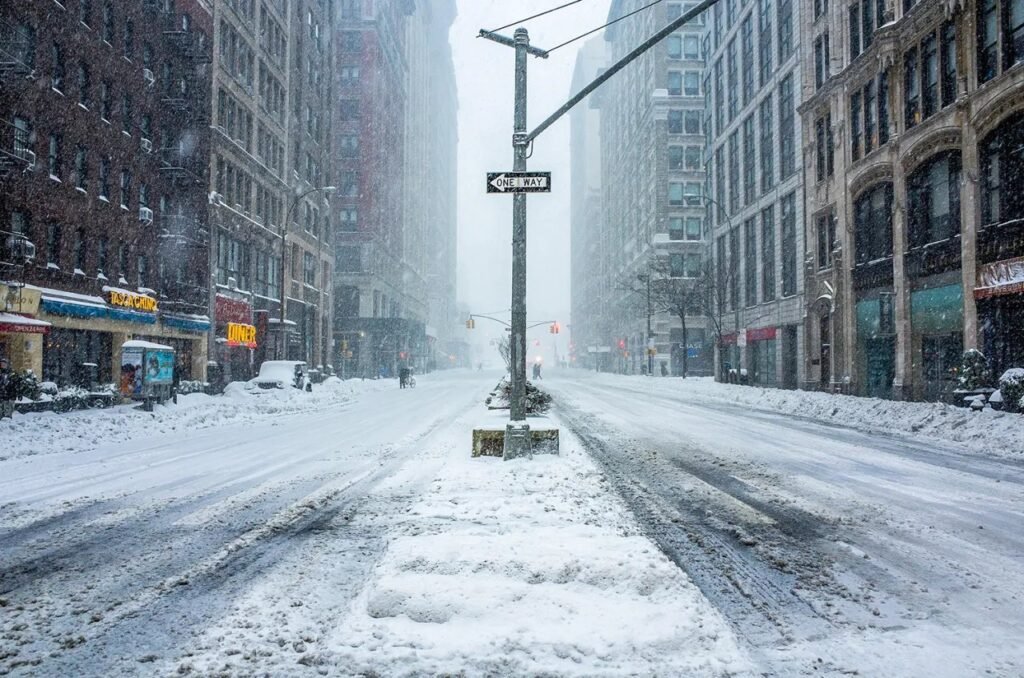
NYC winter is a specific beast: 20-40°F, wind tunnels between buildings, lots of walking, overheated indoors. Here's the packing system that finally worked.
The practical guide
Master the 3-layer system
Base layer (merino wool or synthetic — not cotton, which stays wet), insulating mid-layer (fleece or down), windproof/waterproof outer shell. Layers let you adjust between the 25°F street and the 75°F museum. I wear the bulkiest layers on the plane to save suitcase space. This system handles everything from 15°F wind chills to overheated subways.
The boots question: waterproof and broken-in
You'll walk 8-12 miles a day on potentially slushy, salty sidewalks. Waterproof boots with good tread, already broken in — this is non-negotiable. Fashion sneakers will betray you by day two. Pack one pair of comfortable indoor shoes for evenings. Blisters ruin trips faster than cold does.
Related reading: How to Avoid Tourist Traps in Any New City (Local's Playbook)
Accessories do the heavy lifting
A warm hat (you lose tons of heat here), insulated gloves or mittens (touchscreen-compatible), and a scarf or neck gaiter — these small items provide disproportionate warmth. Wind is NYC's real enemy, and exposed skin suffers most. My packable down jacket plus these three accessories handled a 18°F day comfortably.
Pack for indoors too
NYC interiors run hot — restaurants, museums, and hotels often hit 72-75°F. Wear layers you can strip to a presentable base (a nice sweater, not thermals-as-shirt). A small crossbody bag beats a backpack for museum days and restaurant evenings. And lip balm + moisturizer: winter air plus indoor heating destroys skin.
The full checklist
7 days: 3-4 base layers, 2 mid-layers, 1 outer shell, 2 pants (one worn), 7 underwear/4-5 socks (wool), boots + one indoor shoe, hat/gloves/scarf, sleepwear, toiletries, meds, portable charger (cold kills phone batteries), small umbrella. It all fits in a carry-on if you wear the boots and coat on the plane.
My honest take
The merino base layers were my revelation — I wore the same two on rotation all week, no odor, perfect temperature regulation. $60 each felt steep until I realized they replaced three cotton layers that never worked. Buy once, pack light, stay warm.
FAQs: What should I pack for a week in new york city in winter?
Here are the questions I hear most often about this topic:
How cold does NYC get in winter?
December-February averages 25-40°F, with wind chills dropping into the teens. January is typically coldest. Check the forecast before packing — a 45°F week needs a different kit than a 20°F one.
Can I do NYC winter in just a carry-on?
Absolutely — wear the coat and boots on the plane, pack layers (not bulk), and do laundry mid-week if needed. Most winter travelers overpack by 40%.
Do I need snow boots?
Waterproof boots with tread: yes. Full snow boots: only if a storm is forecast. The city clears main streets fast; slush and salt are the real foes.
The bottom line
Three layers, waterproof broken-in boots, serious accessories, and indoor-ready base layers — all in a carry-on. NYC winter rewards the prepared and punishes the fashionable-but-cold. Pack smart, walk everywhere, and enjoy the city at its most magical.
For deeper background, check out AAA's winter travel packing tips — both are solid, reputable resources worth bookmarking.
More from Daily Magazine 24
- How to Avoid Tourist Traps in Any New City (Local's Playbook)
- Daily Food Budget for Italy: What You'll Really Spend (2026)
One more thing worth knowing
One more thing: document as you go, lightly. A few notes each evening — where you ate, what surprised you, what you'd do differently — takes five minutes and becomes priceless later. Photos capture sights; notes capture feelings. Future-you, planning the next trip or just reminiscing, will be grateful for the specifics your memory will absolutely lose.
One more thing worth knowing
And remember why you're going in the first place. It's easy to turn a trip into a checklist to optimize — sights seen, photos taken, boxes ticked. But the trips I treasure most are the ones where I slowed down enough to actually be somewhere: the unhurried coffee, the long walk with no destination, the conversation with a stranger. See the sights, yes — but also just be there.
One more thing worth knowing
One thing seasoned travelers learn fast: the best trip is rarely the most expensive one — it's the best planned one. An hour of research before you go routinely saves hundreds of dollars and multiple headaches. Read recent reviews (not just the glowing ones), check seasonal quirks, and learn three local customs. Preparation doesn't kill spontaneity; it funds it, by removing the preventable disasters that eat your time and budget.
One more thing worth knowing
Here's my golden rule for any trip: plan the skeleton, leave the flesh loose. Book the non-negotiables (flights, first-night stay, must-do tickets) and leave deliberate gaps for discoveries — the restaurant you stumble into, the viewpoint a local mentions, the detour that becomes the highlight. Over-planned trips feel like work; under-planned ones waste precious days. The sweet spot is structure with breathing room.
One more thing worth knowing
A quick word on travel insurance, since it comes up constantly: for cheap, flexible domestic trips you can usually skip it, but for expensive or complicated itineraries it's the cheapest peace of mind in travel — typically 4-8% of trip cost. Check your credit card benefits first; many premium cards already include solid trip protection. Don't double-pay for coverage you already have.