The Best Way to Track Daily Calories (Without Going Crazy)
The Best Way to Track Daily Calories (Without Going Crazy)
Calorie tracking has a PR problem — it conjures images of miserable people weighing lettuce. But done right, it’s just data collection: a two-to-three-week experiment that teaches you more about your eating than years of guessing. Most people are shocked by what they learn.
I’ve tracked calories in focused bursts a few times, and each round recalibrated my instincts permanently. The trick is treating it as temporary education, not a permanent lifestyle. Here’s the sane way to do it.
Pick Your Method: Apps Win for Most People
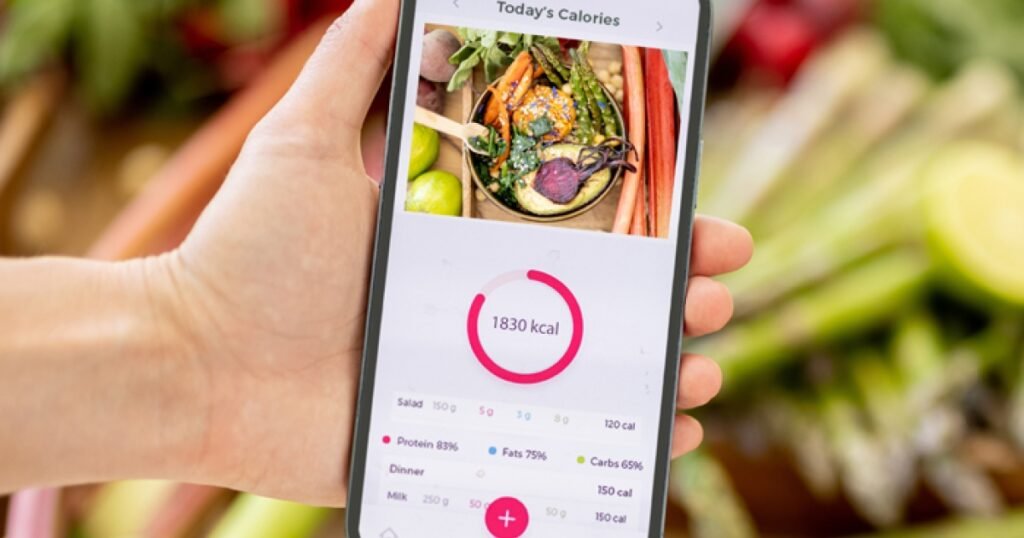
For most people, an app is the best tool — the food database does the heavy lifting. MyFitnessPal has the largest database (including restaurant items and barcode scanning), Lose It! has the friendliest interface, and Cronometer has the most accurate verified database plus micronutrient tracking. All have solid free tiers; you don’t need premium for a learning experiment.
The key feature isn’t the app — it’s the barcode scanner and the ‘recent foods’ list. After a week, logging a repeat day takes under five minutes because your regular meals are saved. The first three days are the annoying ones; push through and it becomes background habit.
Alternatives: a simple notes app or paper journal works if apps feel oppressive — write meals and look up calories once daily. Photo logging (photograph everything you eat) is surprisingly effective for awareness with minimal effort. What doesn’t work well: pure mental tracking. Study after study shows people underestimate intake by 20–40% from memory alone — the writing-it-down is the mechanism.
What Is the Best Way to Track My Daily Calorie Intake? Accuracy Without Obsession
You don’t need a food scale to get useful data — but one $12 scale for two weeks is the fastest accuracy upgrade available. Weighing for just 14 days calibrates your eyeballing permanently; most people discover their ‘tablespoon’ of peanut butter was three. After the calibration period, estimates are fine.
Learn the hand-portion shortcuts for eating out: palm = ~3–4 oz protein, fist = ~1 cup, cupped hand = ~1/2 cup, thumb = ~1 tablespoon of fats. Restaurant portions routinely run 1.5–2x what the app’s ‘one serving’ assumes — log the reality, not the menu’s fantasy. When in doubt, overestimate slightly; the common error direction is under, so a small upward bias corrects it.
Log as you go, not at midnight. End-of-day reconstruction misses the handful of nuts, the coffee creamer, the bites while cooking — which routinely total 200–400 uncounted calories. The 30-second log right after eating is the whole discipline. And log everything, including the ‘bad’ days — incomplete data teaches nothing, and there are no grades here.
What the Numbers Actually Tell You
After two weeks, patterns emerge that no amount of introspection reveals. The usual discoveries: drinks carrying 300+ daily calories nobody counted, ‘healthy’ snacks (trail mix, granola) with dessert-level calories, weekend intake doubling weekday intake, and one specific meal — usually dinner or late snacking — driving the whole surplus.
Compare against your maintenance estimate, not some generic 2,000 number. A rough maintenance formula: bodyweight in pounds × 12–14 for moderately active people (×14–16 for very active, ×10–12 for sedentary). Or use the app’s estimate based on your stats and activity. Your actual two-week average intake versus your weight trend tells you your true maintenance — that’s personalized data no calculator can match.
The goal of the experiment: graduate. After 2–4 weeks you should be able to eyeball portions accurately and recognize your patterns without the app. Permanent daily tracking correlates with disordered eating patterns for some people — use tracking as a course, not a life sentence. The CDC's healthy weight resources has guidance on healthy weight management approaches if your tracking reveals goals worth pursuing.
Common Pitfalls That Corrupt Your Data
Pitfall one: tracking weekdays perfectly and ‘forgetting’ weekends — then wondering why nothing changes. The weekend counts; it’s often half the story. Pitfall two: changing how you eat because you’re tracking (the Hawthorne effect). Eat normally during the experiment — you’re gathering intelligence, not performing.
Pitfall three: ignoring cooking oils, sauces, and beverages. A tablespoon of olive oil is 120 calories; restaurant salads arrive with 3–4 tablespoons of dressing. Log the fats — they’re the stealth calories in almost every diet. Pitfall four: giving up on day four because logging feels tedious. It gets 80% easier by day ten; the learning curve is front-loaded.
Pitfall five: treating the daily target as a cliff. Going 200 over isn’t failure — weekly averages matter far more than daily precision. And if tracking triggers anxiety or obsessive thoughts about food, stop. The tool serves you, not the reverse; a registered dietitian can help with goals through non-tracking approaches.
After the Experiment: Eating Without the App
The tracking period ends — then what? The goal was never permanent logging; it was calibrated intuition. Transition deliberately: stop logging but keep the habits the data taught you (the protein-rich breakfasts, the drink awareness, the weekend vigilance). Most people maintain results for months on the recalibrated instincts alone — the education persists after the tool is shelved.
Keep the ‘spot check’ in your back pocket: when weight creeps up or habits drift, do a 3-day tracking refresher. It’s like recalibrating a scale — a brief return to measurement restores accuracy. Many successful maintainers do a spot-check quarterly or whenever clothes fit differently. The app becomes a periodic diagnostic, not a daily leash.
Watch for the drift patterns your data revealed: the weekend expansion, the beverage creep, the portion inflation that happens gradually. Awareness of your personal patterns is the permanent gift of the experiment — you can’t unsee them, and that quiet knowledge guides thousands of future food decisions without a single logged calorie. The best diet is the one you don’t have to think about because the lessons stuck.
The Takeaway
Use an app with a barcode scanner, weigh food for two weeks to calibrate your eye, log as you go, and treat it as a 2–4 week course — then graduate to informed intuition.
The point was never the numbers. It’s the patterns: the drinks, the weekends, the handfuls. See those clearly once, and you can’t unsee them.