Is Organic Produce Worth It? An Honest Cost-Benefit Look
Is Organic Produce Worth It? An Honest Cost-Benefit Look
Organic strawberries: $6.99. Conventional: $3.99. Standing in the produce aisle doing that math twice a week, you’ve probably wondered whether the premium is buying actual health or just peace of mind with better marketing.
I buy a mix — some organic, mostly conventional — and I arrived there by reading the research rather than the labels. The honest answer is more nuanced than either camp admits. Here’s the breakdown.
What Organic Actually Means (and Doesn't)
‘Organic’ is a farming certification, not a nutrition claim. It means the produce was grown without synthetic pesticides and fertilizers, GMOs, or sewage sludge, with USDA certification and inspections behind the label. It does not mean pesticide-free (organic farms use natural pesticides), more nutritious, or safer in any absolute sense.
The nutritional question has been studied extensively, including a major Stanford meta-analysis: organic produce shows slightly higher levels of certain antioxidants and lower cadmium, but the nutritional differences are small and unlikely to matter clinically. Vitamin C in an organic orange versus a conventional one? Essentially the same orange to your body.
What organic reliably delivers: lower synthetic pesticide residues. Multiple studies confirm organic produce carries fewer and lower levels of synthetic pesticide residues. Whether that residue difference translates to measurable health differences in humans is where the science gets thin — and where honest experts urge humility.
Is It Worth Buying Organic Produce for Better Health? What Studies Show
Here’s the uncomfortable part for organic enthusiasts: large observational studies (including the UK Million Women Study and NutriNet-Santé) find little to no consistent link between eating organic and major health outcomes like cancer risk, once you adjust for the fact that organic buyers tend to be wealthier, exercise more, and eat more vegetables overall. The health halo around organic eaters comes mostly from their overall lifestyle, not the label.
Pesticide exposure is the legitimate concern driving organic purchases, and it’s not nothing — farmworkers face real risks, and some pesticides are endocrine disruptors. But dietary exposure from conventional produce is far below regulatory safety limits, and regulatory agencies (EPA, EFSA) consistently find conventional produce safe. The dose makes the poison, and produce-aisle doses are tiny.
The risk calculus hardly anyone mentions: if organic prices cause you to buy and eat fewer fruits and vegetables overall, you’ve traded a hypothetical pesticide risk for a certain nutrition loss. Eating conventional broccoli beats skipping organic broccoli every single time. More produce — any produce — is the intervention with the actual evidence behind it.
Where Organic Dollars Matter Most (and Least)
If you buy some organic, prioritize strategically. The EWG’s ‘Dirty Dozen’ list — strawberries, spinach, kale, grapes, peaches, and similar — identifies produce with the highest pesticide residues; these give you the most residue-reduction per organic dollar. It’s an advocacy group’s list, not a government one, but the underlying USDA residue data is real.
Conversely, the ‘Clean Fifteen’ — avocados, sweet corn, pineapples, onions, papayas — have the lowest residues conventionally, thanks to thick skins or growing patterns. Paying organic premiums here buys almost nothing. Avocados are the poster child: the peel you throw away is doing the pesticide-blocking work for free.
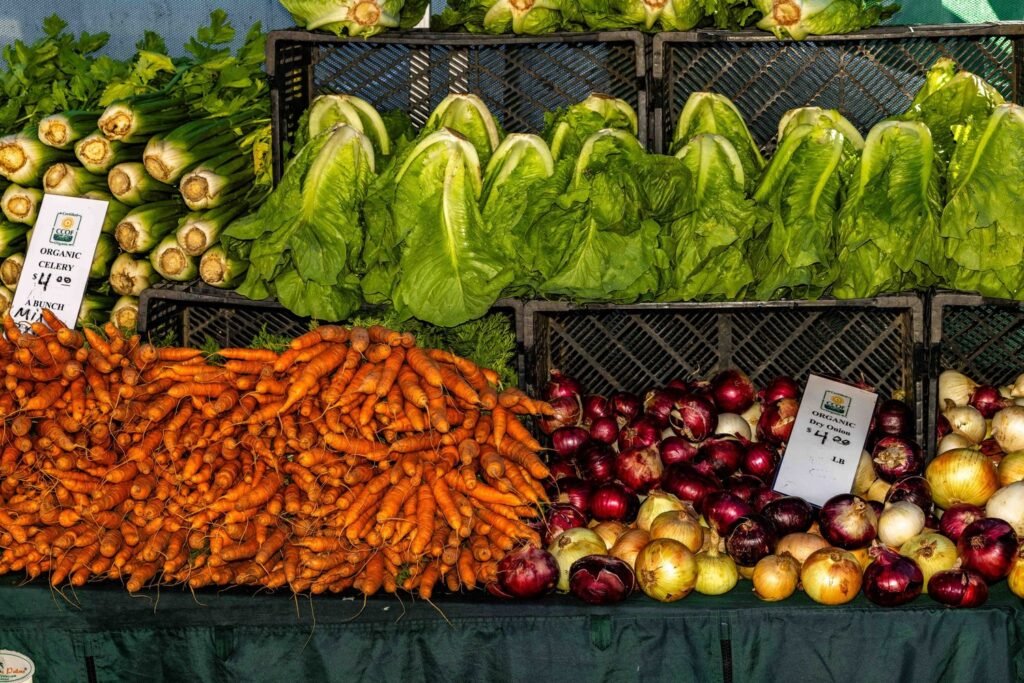
Consider the local alternative neither camp mentions: local conventional produce from a farmers market you trust. Short supply chains, picked ripe (better taste and often better nutrition), money to local farmers — many small farms follow organic-ish practices without paying for certification. Ask the grower about their spraying; you’ll learn more from a two-minute conversation than from any label.
The Budget Playbook
With a limited grocery budget, here’s the evidence-based priority order. One: buy plenty of fruits and vegetables, conventional if needed — volume of produce dominates everything else. Two: go organic for the Dirty Dozen items you eat most (if you eat spinach daily, that’s your organic splurge; if you never buy kale, ignore it). Three: buy Clean Fifteen conventional without a second thought.
Washing matters more than labeling: rinse all produce under running water and scrub firm items — this removes a meaningful share of surface residues from any produce, organic or conventional. (Don’t use soap or special washes; water and friction do the job.) Peeling removes more, at the cost of fiber and nutrients in the skin — a reasonable trade for high-residue items you eat often.
Frozen produce is the budget sleeper hit: picked ripe, nutritionally equivalent (sometimes superior) to fresh, and a fraction of the price. Frozen organic berries cost less than fresh conventional ones. If the organic premium is straining your budget anywhere, frozen is where the smart money goes.
The Frozen Aisle: Organic on a Budget
Here’s the organic shopper’s secret weapon: frozen organic produce. Frozen organic berries, vegetables, and fruits typically cost 30–50% less than fresh organic, they’re picked ripe (often more nutritious than fresh produce shipped unripe), and there’s zero waste — you use what you need and the rest waits. For smoothies, cooking, and baking, frozen is functionally identical to fresh.
The math is compelling: frozen organic blueberries at $3/pound versus fresh organic at $6–$8/pint. Same for spinach, broccoli, mango, and mixed vegetables. Stock the freezer with organic staples and buy fresh conventional for the items where texture matters (salad greens, snacking fruit) — you get organic where it counts at conventional prices.
Other budget-organic plays: store-brand organic lines (Costco’s Kirkland, Aldi’s Simply Nature, Target’s Good & Gather organic) undercut name-brand organic significantly; farmers markets at closing time discount generously; and imperfect-produce delivery services (Misfits Market, Imperfect Foods) sell organic at conventional prices. The organic premium is optional for the strategic shopper — the label matters less than the system.
The Takeaway
Organic produce has slightly fewer pesticide residues but no proven meaningful health advantage over conventional — and eating plenty of conventional produce beats eating less organic produce every time.
Spend organic dollars on the Dirty Dozen items you eat most, buy everything else conventional, and wash it all. Your wallet and your health both win.