Matching Family Photo Outfits: Worth It or Not?
Matching Family Photo Outfits: Worth It or Not?
Every fall, family photo season arrives with the same question: do we go full matching — everyone in white shirts and khakis — or is that hopelessly dated? The matching family photo outfit is a tradition some love and others dread.
I’ve done the photos both ways (as participant and planner), and the answer isn’t yes or no — it’s about what ‘matching’ means. Here’s the honest breakdown.
The Case For Coordinating
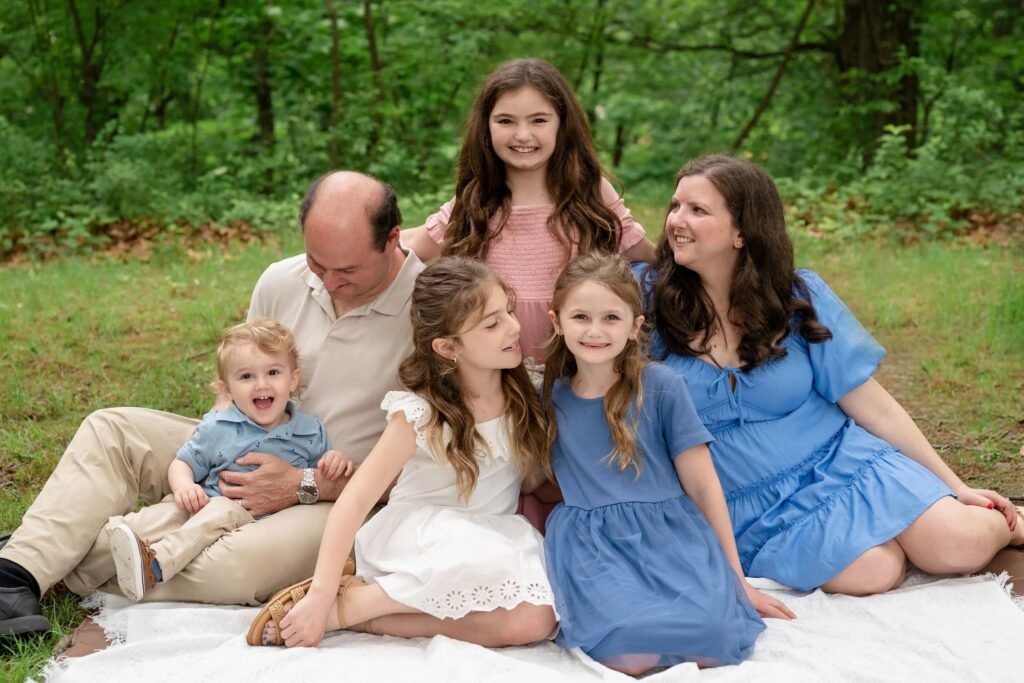
Coordinated outfits photograph objectively better — that’s not opinion, it’s visual science. A unified color palette creates harmony in the image, draws focus to faces instead of clashing clothes, and produces the timeless, frame-worthy photos people actually display. Random outfits photograph as visual noise; coordinated ones as intention.
The keepsake factor is real: these photos get framed, sent to grandparents, and revisited for decades. Twenty years from now, the coordinated photo looks classic; the ‘everyone wore whatever’ photo looks dated by its randomness. If you’re investing in a photographer ($200–$500+), the outfits are the cheapest part of making the photos great.
And practically, planning outfits together is part of the ritual — kids get excited about the ‘team uniform,’ and the process itself becomes a family memory. The photo session goes smoother when everyone’s comfortable and confident in what they’re wearing.
Is It Worth Buying Matching Outfits for Family Photos? The Cost Question
Full matching sets (everyone in identical outfits) cost $30–$80 per person from matching-family retailers — $150–$400 for a family of four. It’s a real expense for clothes worn once. The value depends on how much the photos matter to you and whether pieces get reworn (they usually don’t, in identical sets).
The smarter money: coordinated, not identical. Shop everyone’s closets first — you likely own pieces in a shared palette already. Fill gaps with versatile pieces people will rewear (a navy sweater, white button-down, khaki pants are all wardrobe staples, not costumes). The coordinated approach often costs $0–$100 total versus $300+ for matching sets.
Budget tactics: thrift the gaps (neutral sweaters and button-downs are thrift staples), buy kids’ pieces with rewear in mind (neutral colors they can wear to school), and time it with sales. The photos don’t know the price tags — they know the palette. For affordable outfit building generally, see our guide to The Knot's family photo guide.
Coordinated, Not Identical: The Modern Approach
The current professional-photographer consensus: coordinate around a palette, not a uniform. Pick 3–4 colors (e.g., navy, cream, tan, with a rust accent) and let each person wear different pieces in those colors. The result looks effortlessly harmonious — like a stylish family, not a sports team.
Texture mixing adds richness: denim, knits, chambray, and cotton in the same palette add depth that identical outfits lack. Vary the silhouettes too — dresses, sweaters, button-downs — while holding the palette constant. The variety looks natural and individual while the colors unify.
What to avoid: everyone in identical white shirts (the dated look people fear — harsh in bright sun, shows everything, wrinkles by photo three), neon or logo-heavy pieces (they date photos instantly and pull focus), and all-black or all-white extremes (hard to expose correctly, lose detail). Small patterns are fine; large logos aren’t.
Practical Photo-Day Tips
Comfort first, especially for kids: itchy, tight, or unfamiliar clothes produce miserable faces — the fastest photo-ruiner. Let kids road-test outfits beforehand. Bring backup outfits for toddlers (blowouts wait for photo day with supernatural timing) and snacks (non-messy — nothing chocolate or sticky near the outfits).
Logistics: steam or iron everything (wrinkles photograph terribly), lint-roll dark clothes, check the weather and bring layers in the palette, and schedule around light (golden hour — the hour before sunset — is the most flattering light in existence; midday sun creates harsh shadows). Arrive early so everyone’s relaxed, not rushed.
And the mindset: the best family photos capture connection, not perfection. The perfectly coordinated miserable family loses to the slightly rumpled laughing family every time. Plan the outfits, then let go and enjoy it — the joy is what you’ll see in twenty years, not the exact shade of the sweaters.
Including the Dog: Pet Photo Tips
Dogs in family photos: chaotic, wonderful, and worth the effort — the photos with pets become the favorites. The logistics: exercise the dog well before the session (a tired dog is a cooperative dog), bring treats and a squeaky toy (the photographer’s secret weapons for attention and ears-up expressions), and assign one person as the dedicated dog handler (not the photographer — handling and shooting simultaneously fails at both).
Safety and comfort: keep the dog leashed unless the area is fully enclosed (retractable leashes photograph badly — use a standard leash and have the handler step out of frame or be edited out), bring water (photo sessions run long and dogs dehydrate), and watch for stress signals (panting, lip-licking, avoidance — a stressed dog’s photos look stressed; take breaks). Never force a terrified animal to pose — the photo isn’t worth it.
Outfit coordination extends to pets: a bandana in the family palette is the classic move (easy, cheap, adorable), and it ties the dog into the color story visually. Avoid full pet costumes unless that’s genuinely your family’s thing — the bandana reads charming, the tuxedo reads try-hard. And take the pet photos first, while energy and patience are highest — then the dog can relax (or leave) for the formal family shots.
Book your photographer early for fall season — the good ones fill their autumn weekends months ahead, and the right photographer matters as much as the outfits for photos you’ll treasure.
The Takeaway
Coordinating: absolutely worth it — palette-based, not identical. It photographs better, costs less (shop closets first), and looks modern rather than dated.
Pick 3–4 colors, vary textures and silhouettes, prioritize comfort, and shoot at golden hour. The photos last decades; make them good.