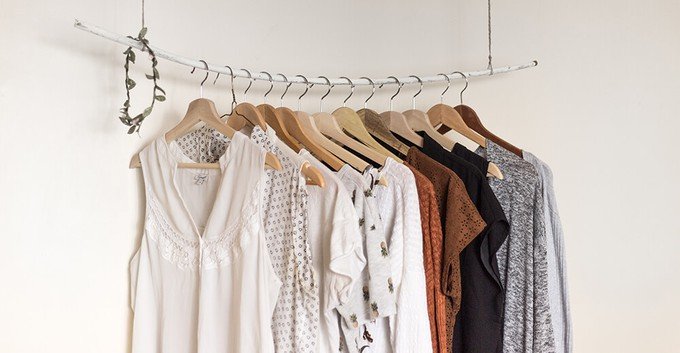
How to Update Your Wardrobe Without Fast Fashion
How to Update Your Wardrobe Without Fast Fashion
Want a wardrobe refresh without supporting fast fashion’s cycle of waste and exploitation? It’s entirely possible — and honestly, the alternatives produce better style than fast fashion ever did. The constraint forces creativity, and creativity is what style actually is.
I shifted away from fast fashion five years ago, and my wardrobe got better, not worse. Here’s the complete playbook for updating your style sustainably.
Why Bother (the Honest Motivation)
Fast fashion’s model — ultra-cheap, trend-chasing, disposable — carries real costs: garment workers paid poverty wages, enormous water use and pollution (fashion is among the world’s most polluting industries), and mountains of textile waste (the average American discards 80+ pounds of clothing yearly). You don’t need to be an activist to prefer alternatives; you just need to see the math.
The style argument is equally strong: fast fashion’s quality is engineered for obsolescence — thin fabrics, weak seams, trend-chasing designs that date in months. The alternatives (thrift, quality basics, tailored pieces) produce wardrobes that look better, last longer, and cost less per wear. Sustainability and style aren’t in tension here; they’re aligned.
And the personal argument: breaking the constant-buying cycle is liberating. The dopamine of the $12 top fades in days; a curated wardrobe you love getting dressed from delivers daily. Most ex-fast-fashion shoppers report spending less overall within a year — the constraint eliminates impulse waste.
How Can I Update My Wardrobe Without Buying Fast Fashion? The 10 Strategies
One: thrift and vintage — the cornerstone. Quality, unique pieces at fast-fashion prices (often cheaper), with the hunt as a bonus. Learn your strong categories and quality checks (see our thrifting guide). Two: clothing swaps with friends — free, social, and everyone’s castoffs are someone’s treasure. Organize one; they’re easy and fun.
Three: resale platforms — Poshmark, ThredUp, eBay, Vestiaire for designer. The entire fast-fashion trend cycle is available secondhand, months later, at 70% off. Four: buy quality basics new from ethical brands — the cost-per-wear champions (see below). Five: tailor what you own — $100 in alterations updates a wardrobe more than $100 in new cheap clothes.
Six: restyle and repair — new combinations, dyeing, de-pilling, and small fixes make old clothes feel new (see our revival guide). Seven: rent for occasions — Rent the Runway and similar for events, instead of buying single-wear fast fashion. Eight: clothing libraries and swaps online — emerging options in many cities.
Nine: buy from small and local makers — Etsy, local boutiques, independent designers. More expensive per piece, but unique, well-made, and money stays in communities. Ten: the 30-day list — want something? Wait 30 days. Most urges evaporate; the survivors are genuine needs worth filling properly.
The Ethical Brand Landscape (Without the Greenwashing)
Legitimately better new-clothing options exist at various prices: Everlane and Kotn (transparent basics), Pact and Boody (organic basics), Patagonia and prAna (outdoor, genuinely sustainable practices), Eileen Fisher and Amour Vert (higher-end sustainable), and Asket (radical transparency, cost-per-wear focus). These cost more than fast fashion per item and less per wear.
Spotting greenwashing: vague claims (‘eco-friendly,’ ‘conscious’ without specifics), tiny ‘sustainable’ capsule collections from fast-fashion giants (a distraction from the main business model), and no supply-chain transparency. Real signals: specific material percentages, factory lists, third-party certifications (GOTS, Fair Trade, B Corp), and repair/recycling programs.
The honest hierarchy: wearing what you own (most sustainable) > secondhand > ethical new > conventional quality new > fast fashion. You don’t need perfection — moving one step up the hierarchy matters. The goal is progress in your actual wardrobe, not purity for the internet.
Building the Long-Term System
Shift to cost-per-wear thinking permanently: a $120 ethically-made sweater worn 100 times ($1.20/wear) beats five $25 fast-fashion sweaters worn 10 times each ($2.50/wear). The math always favors quality — fast fashion is expensive, just in installments.
Develop your uniform: the 10–15 piece rotation you love eliminates the ‘nothing to wear’ panic that drives impulse buying. Curate ruthlessly, maintain well, and add slowly — one thoughtful piece per season beats ten thoughtless ones. Personal style is the ultimate anti-fast-fashion weapon; trends can’t sell to someone who knows what they like.
Maintain everything: wash cold, hang dry, repair promptly, store properly. The most sustainable garment is the one already in your closet, worn for years. And when you do buy new, buy the best you can afford in timeless styles — future-you, wearing it in year eight, is the real sustainability metric. For finding quality pieces worth keeping, see our thrifting and quality guides linked above.
Selling What You Don't Wear: Funding the Upgrade
The shift away from fast fashion gets easier when your closet funds it. Selling what you don’t wear — the barely-worn mistakes, the wrong sizes, the ‘someday’ pieces — generates the budget for quality replacements without new spending. The platforms: Poshmark and eBay for broad reach, ThredUp for hands-off (send a bag, they handle everything, lower returns), and local consignment for higher-end pieces (better prices, no shipping).
The listing formula that sells: good photos (natural light, on a hanger or flat-lay, show flaws honestly), accurate measurements (buyers trust numbers over size labels), honest condition descriptions (undisclosed flaws generate returns and bad ratings), and competitive pricing (check sold listings, not asking prices — sold is the real market). Price to sell: the goal is closet space and upgrade funds, not maximum extraction.
The psychology is the real win: selling the mistakes makes their cost visible, which sharpens future buying dramatically. The $40 fast-fashion top that resold for $8 teaches more about value than any article. And the upgrade cycle compounds — each quality piece purchased with resale funds raises the wardrobe’s baseline. Within a year, the closet transforms: fewer pieces, better pieces, funded by the ghosts of impulse purchases past.
The Takeaway
Thrift, swap, resale, tailor, repair, restyle, rent occasions, buy ethical basics — ten strategies that update your wardrobe better than fast fashion ever did.
The most sustainable (and stylish) wardrobe is curated, maintained, and built on cost-per-wear thinking. Constraints create style.