How to Get Cubs Tickets Without Paying Resale Prices
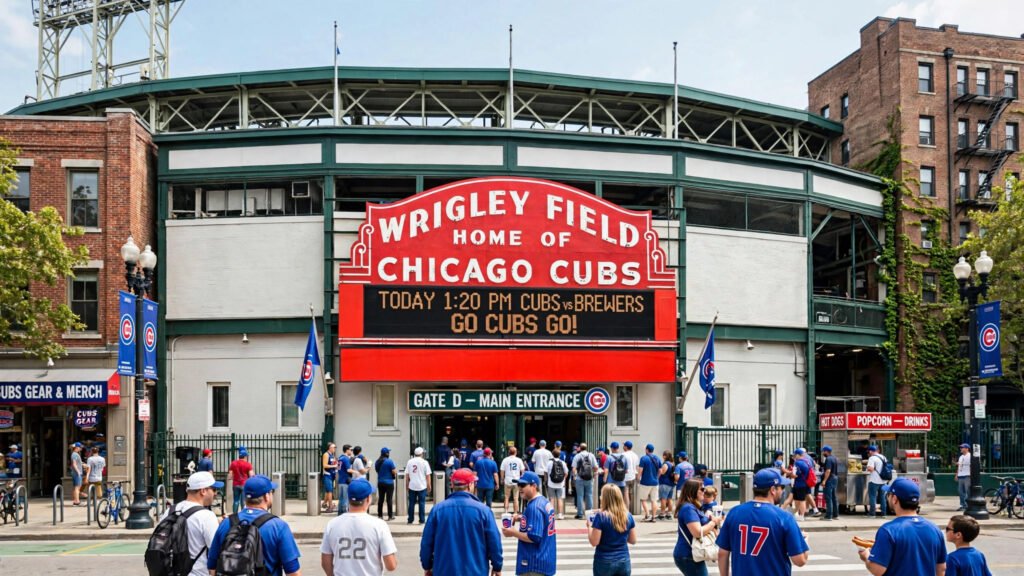
Wrigley Field is a bucket-list ballpark, but Cubs tickets on resale sites routinely carry 50–200% markups — a $60 face-value bleacher seat listed at $150, a $120 infield seat at $300, plus fees on top. The secondary market is efficient at extracting your money. But with strategy, patience, and knowledge of how the Cubs actually sell tickets, you can sit in the Friendly Confines all season without paying resale prices. Here’s how.
Buy From the Source: The Cubs’ Own Channels
Your first stop should always be the official source: Cubs tickets at MLB.com, where single-game tickets go on sale to the public (usually in spring) at face value. High-demand games (Yankees, Cardinals, Dodgers, summer weekends) sell out in minutes — set a calendar reminder and buy the moment sales open. Less glamorous matchups (weekday games vs. non-contenders, chilly April, sleepy September) often remain available for weeks at face value.
Understand dynamic pricing: the Cubs, like most teams, adjust prices based on demand, opponent, weather, and day of the week, so “face value” varies significantly by game. Tuesday night vs. the Pirates in April is genuinely cheap; Saturday vs. the Cardinals in July is not. Target the cheap end of the dynamic range and you’ll rarely need resale. The FTC’s event-ticket guidance is worth knowing too — it covers your rights around fees and refunds.
Timing Tricks That Beat the Markup
Resale prices collapse under specific conditions — buy then. Prices drop sharply in the 24–48 hours before first pitch as sellers panic about unsold inventory; a $150 listing Monday becomes $70 on game day morning. Bad weather forecasts crater prices (a 40% rain chance halves demand — bring a poncho and save 50%). Losing streaks depress the market hard; a Cubs slump is your buying opportunity, even if it stings as a fan.
Conversely, never buy high-demand games early on resale — prices peak 2–4 weeks out when optimism is highest and supply is tightest. If you must attend a marquee game, buy at the box office the moment public sales open, or wait until game day and walk up (Wrigley box office sells remaining inventory at face value, and there is almost always something available). Patience is a pricing strategy that reliably beats panic buying. The same timing logic applies beyond baseball — see whether concert resale tickets are worth it and finding affordable show tickets for the universal principles.
Befriend the Season Ticket Ecosystem
Season ticket holders are your best allies. Many hold tickets they can’t use for every game and happily sell to their networks at face value rather than dealing with resale platforms and their fees. How to find them: join Cubs fan communities (Reddit’s r/CHICubs has regular face-value exchange threads), Chicago baseball Facebook groups, and local fan clubs. Be a good community member first — contribute genuinely, don’t just lurk for tickets — and opportunities appear.
Some fans split season ticket packages: four people each take 20 games at face value, rotating premium games fairly with a simple draft. If you attend 10+ games a year, organizing or joining a split is the single best ticket strategy in existence — face value, great seats, no fees, no stress, no uncertainty. Ask around; these groups always need reliable members.
Cheaper Seats, Same Experience
Wrigley sells the experience as much as the sightlines. Upper deck and bleacher seats deliver the full atmosphere at a fraction of infield prices — and the bleachers are arguably the best experience in all of baseball, a sun-soaked party that costs less than premium seats elsewhere. Standing room tickets (when offered) are the cheapest way inside the gates.
Consider value games: weekday day games (a beloved Chicago tradition — “business person’s special”), September weeknights during the school year, and April games (cold but cheap, available, and often surprisingly fun). A $25 April bleacher ticket with a $5 hot chocolate beats a $150 July seat on pure joy-per-dollar. And if you’re traveling for the game, streaming options without cable let you follow the team all season between ballpark visits.
Consider Spring Training Instead
Here’s the contrarian play: skip the Wrigley markup entirely and catch the Cubs at spring training in Mesa, Arizona. Sloan Park tickets run $15–$40 for excellent close-up seats, the atmosphere is relaxed and intimate, and you’re watching the same players up close, often from just rows away. Yes, it requires a trip — but a long weekend in Arizona during Chicago’s miserable March often costs less than two premium Wrigley games in July, and the experience is arguably better for true baseball fans.
Spring training also offers autograph and interaction opportunities that regular season games simply don’t — players are relaxed, accessible, and generous with fans. For families, it’s the best baseball value in all of America: affordable tickets, sunshine, short lines, and players who actually have time for young fans.
Group and Season-Ticket Holder Strategies
Groups of 20+ unlock discounted group rates through the Cubs’ group sales department — organize friends, coworkers, a youth team, or a neighborhood crew and save 20–40% per ticket. Some employers, alumni associations, and credit unions offer ticket discount programs; check yours before buying. Season ticket holders sometimes sell partial plans or individual games at face value to friends and coworkers — network in Cubs fan communities (Reddit’s r/CHICubs, local fan groups) where face-value exchanges happen regularly.
Beware the resale traps: “all-in” prices that hide fees until checkout (compare the final number, not the listing), speculative listings for tickets the seller doesn’t own, screenshots sold as mobile tickets (always transfer through the official platform), and pressure tactics claiming prices will only rise. Buy resale only as a last resort, only close to game day, and only through platforms with real buyer guarantees.
Conclusion
Getting Cubs tickets without paying resale prices comes down to: buy from MLB.com the moment public sales open, target low-demand games in the dynamic pricing range, exploit the 24–48 hour pre-game resale collapse, embrace bleachers and upper deck for the full Wrigley atmosphere, organize groups for discounts, and consider spring training for the ultimate value. Wrigleyville is magical at any price — but it’s sweetest at face value.
Frequently Asked Questions
When do Cubs single-game tickets go on sale?
Usually in spring (around March) via MLB.com. High-demand games sell out within minutes; set a reminder and buy immediately for marquee matchups.
What is the absolute cheapest way to attend a Cubs game?
Face-value bleacher or upper-deck seats for weekday/low-demand games, bought at the box office or MLB.com — often $20–$40. Game-day resale for undesirable games can dip even lower.
Do Cubs ticket prices drop before the game?
On resale markets, yes — prices typically collapse 24–48 hours before first pitch as sellers unload inventory. Bad weather and losing streaks accelerate the drop.
Are bleacher seats at Wrigley Field good?
They’re legendary — sun, atmosphere, and the iconic experience, usually at lower prices than infield seats. Sightlines are fine; the vibe is unmatched.
Is it safe to buy Cubs tickets on resale sites?
Use platforms with buyer guarantees and official ticket transfer. Avoid screenshots, wire transfers, and deals that seem too good — and compare all-in prices including fees before committing.