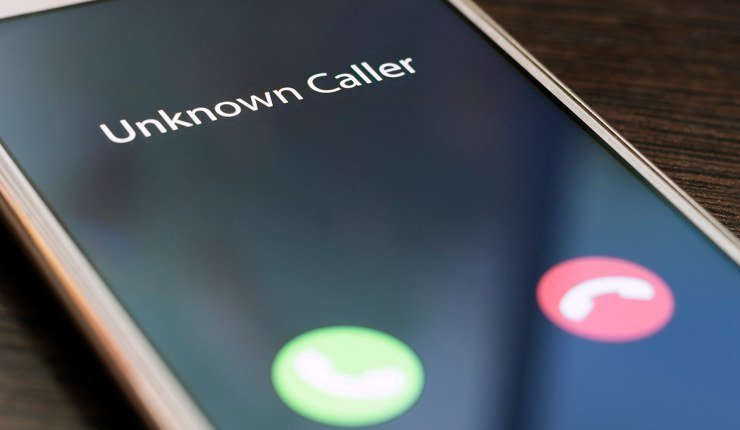
How do I stop AI robocalls from calling my phone
Your phone rings. The caller ID looks local. You answer — silence, then a robotic voice about your car’s warranty. Or worse: a voice that sounds like your daughter, crying, saying she’s in trouble. AI robocalls have evolved from annoying to genuinely dangerous. Here’s how to stop them — or at least fight back effectively.
How to Stop AI Robocalls: The Defense Layers
Layer 1: Your Phone’s Built-In Weapons (Free, Do This Now)
- iPhone: Settings → Phone → Silence Unknown Callers. Unknown numbers go straight to voicemail. (Check voicemail regularly — the tradeoff.) Also enable “Live Voicemail” to screen in real time.
- Android/Pixel: the Phone app’s Call Screen feature answers unknown callers with an AI assistant and transcribes their response — robocalls hang up; humans talk to the screener. It’s remarkably effective.
- Carrier tools (free): AT&T ActiveArmor, Verizon Call Filter, T-Mobile Scam Shield — all free, all worth enabling. They flag “Spam Risk” before you answer.
Layer 2: Third-Party Blockers
- RoboKiller, Nomorobo, Truecaller: larger spam databases, answer-bots that waste scammers’ time. $2–$5/month. Worth it if you’re drowning in calls.
- Your carrier’s premium tier: usually redundant if you have a third-party app — pick one.
Layer 3: Reduce Your Exposure
- National Do Not Call Registry: donotcall.gov — won’t stop scammers (they’re criminals), but reduces legitimate telemarketing.
- Don’t answer unknown numbers. Answering confirms your number is live and increases calls. Let it go to voicemail.
- Never press buttons (“press 2 to be removed”) — it confirms a human answered.
- Remove your number from data broker sites where practical. Fewer lists, fewer calls.
The Dangerous New Breed: AI Voice Cloning Scams
Scammers now clone voices from social media videos with just seconds of audio. The “grandparent scam” got an upgrade: a call sounding exactly like your loved one, in distress, asking for money.
Your defense:
- Establish a family code word — today, not after an incident. A word only your family knows, to verify identity on any distress call.
- Hang up and call back on a known number. Always. No exceptions. The real person will answer; the scammer won’t.
- Be suspicious of urgency + secrecy: “Don’t tell Mom and Dad” is the scammer’s shield. Real emergencies don’t require secrecy.
- Never send money via wire, gift cards, or crypto based on a phone call. Ever.
Report Them (It Actually Helps)
- FTC: reportfraud.ftc.gov — reports feed enforcement and pattern analysis.
- FCC: consumercomplaints.fcc.gov — the FCC fines robocallers billions (collection is another matter, but the data matters).
- Your carrier: forward spam texts to 7726 (SPAM).
For the broader picture of AI-powered fraud, see how banks use AI to fight fraud.
Stopping AI Robocalls: Frequently Asked Questions
Why am I getting more robocalls than ever?
Because AI made them cheap. Voice cloning and automated dialing let a single scammer run thousands of personalized calls daily at near-zero cost. Spoofed caller IDs defeat the old “don’t answer unknown numbers” heuristic (though it’s still good advice). The economics favor attackers: even a 0.1% success rate on millions of calls is profitable. Regulation and blocking help at the margins; skepticism is the real defense. For the broader context on AI-powered fraud, see our guide to managing AI features on your phone — knowing what’s legitimate AI versus scam AI matters.
Does the Do Not Call Registry actually do anything?
Yes, for legitimate telemarketers — they’re legally bound by it and face real fines. No, for scammers — criminals don’t check registries. Register anyway (it takes two minutes at donotcall.gov) because it eliminates the legal calls, leaving only the illegal ones — which makes every remaining robocall automatically suspicious. Think of it as a filter, not a wall.
What should I do if I already fell for a phone scam?
Act fast: (1) If you shared financial info, call your bank immediately and freeze affected accounts. (2) If you sent money, report to the FTC at reportfraud.ftc.gov — recovery is unlikely but reports drive enforcement. (3) If you shared your Social Security number, freeze your credit with all three bureaus and file an identity theft report. (4) Tell your family what happened — shame helps scammers; openness protects others. (5) Report the number to your carrier. Speed matters more than embarrassment.
Are “spam blocker” apps worth paying for?
If you’re drowning in calls, yes — $2–$5/month for RoboKiller or similar buys a larger spam database and answer-bots that waste scammers’ time. But start with the free layers: your phone’s built-in screening (Silence Unknown Callers / Call Screen) plus your carrier’s free spam filter handle most of the problem. Add a paid app only if the free tools aren’t enough — for most people, they are.
How do I protect elderly parents from phone scams?
Three concrete steps: (1) Establish a family code word for emergency verification — today. (2) Set up call screening on their phone and show them how it works. (3) Have the conversation: “If anyone calls asking for money or personal info, hang up and call me.” Repeat it quarterly. Elderly scam victims lose billions yearly, and the shame keeps many from reporting. Make it safe to talk about — “even smart people get fooled by these” — because they do.
More Robocall Questions Answered
Can robocallers spoof my own number?
Yes — “neighbor spoofing” (using your area code and prefix) and even spoofing your own number are common tactics to boost answer rates. If “you” call yourself, don’t answer — it’s always a scam. Your carrier’s spam filter catches many spoofs, but the technology to fake caller ID remains trivially available to criminals. The phone number as identity is broken; treat every unexpected call as unverified regardless of what the screen says.
Are political and charity robocalls legal?
Mostly yes — they’re exempt from many telemarketing restrictions, which is why your Do Not Call registration doesn’t stop them. You can ask individual callers to remove you (legitimate ones must comply), and many campaigns honor opt-outs. Election season is peak season: enable Silence Unknown Callers during campaign months and check voicemail once daily. Your civic duty doesn’t include answering every unknown call in October.
The Bottom Line on AI Robocalls
How do you stop AI robocalls from calling your phone? Enable built-in screening (Silence Unknown Callers / Call Screen), activate your carrier’s free spam filter, never answer or engage with unknown numbers, register on donotcall.gov — and establish a family code word today against voice-cloning scams. You won’t reach zero — the technology favors the attacker — but these layers cut the flood to a trickle. And remember the cardinal rule: hang up, call back on a known number. Every time.
Pingback: What is the simplest way to explain AI to my grandparents
Pingback: How are banks using AI to detect fraud on my account
Pingback: How do I turn off AI features I do not want on my phone