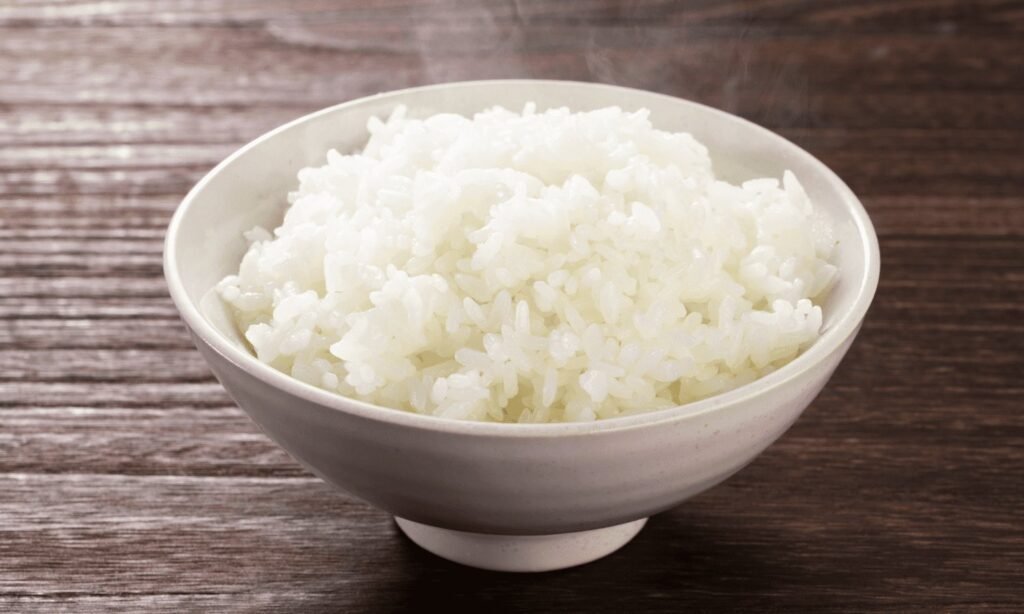
How to Cook Perfect Rice on the Stove Every Time
How to Cook Perfect Rice on the Stove Every Time
Learning how to cook perfect rice on the stove every time comes down to three things: the right ratio, the right heat, and leaving it alone. Most rice failures — crunchy centers, mushy exteriors, scorched bottoms — trace back to one of those three. I’ve cooked rice weekly for decades, across cheap pots and good ones, and the stovetop method below has never failed me. No rice cooker required (though I’ll tell you when one makes sense).
The Method (White Rice)
- Rinse (optional but recommended). Rinse 1 cup of long-grain white rice in a fine-mesh strainer until the water runs mostly clear. This removes surface starch that causes gumminess.
- Ratio: 1 cup rice to 1 1/2 cups water. (Not 2 cups — that’s the most common mistake. Less water = fluffier rice.) Add 1/2 teaspoon salt and a teaspoon of butter or oil if you like.
- Bring to a boil over medium-high heat, uncovered.
- Cover and drop to low. The moment it boils, put the lid on and reduce to the lowest heat. A tight-fitting lid matters — steam is doing the cooking.
- 18 minutes. Don’t peek. Lifting the lid releases steam and drops the temperature. Set a timer and walk away.
- Rest 5-10 minutes off the heat, lid still on. This finishes the grains gently.
- Fluff with a fork (not a spoon — a fork separates without mashing) and serve.
The No-Peek Rule (Why It Matters)
Rice cooks by steam absorption, not just boiling. Every time you lift the lid, steam escapes, the temperature drops, and the cooking stalls — add two minutes per peek, roughly. The rice at the bottom also needs undisturbed contact with the heat. Trust the timer. This is the hardest rule for beginners and the most important one. Your rice is fine in there. Leave it alone.
Ratios for Other Rice Types
- Long-grain white (basmati, jasmine): 1 : 1.5, 18 minutes
- Medium/short-grain white (sushi, arborio): 1 : 1.25, 18 minutes — stickier by nature
- Brown rice: 1 : 2, 40-45 minutes — the bran layer needs more time and water
- Wild rice: 1 : 3, 45-55 minutes
Brown rice is worth the wait nutritionally, but it will never be as fluffy as white — different grain, different texture. Don’t judge it by white-rice standards.
Fixing Common Failures
- Crunchy/undercooked: Not enough water or heat too high (boiled dry). Add 1/4 cup water, cover, cook 5 more minutes on low.
- Mushy: Too much water. Next time reduce by 1/4 cup. For the current batch: spread on a baking sheet and bake 5 minutes at 350°F to dry it out — or make fried rice, which actually prefers day-old softer rice.
- Scorched bottom: Heat was too high. Use a heavy-bottomed pot and the lowest flame. The scorched layer (tahdig/concolón) is a delicacy in some cuisines — if it’s just lightly golden, eat it proudly.
- Sticks to the pot: A teaspoon of oil in the water helps; so does a truly low simmer rather than a vigorous boil.
Leveling Up: Flavor Variations
- Cook in broth instead of water for instant savory depth.
- Coconut rice: Half coconut milk, half water + pinch of salt. Incredible with pulled pork or curries.
- Toast the rice in butter for 2 minutes before adding water (pilaf method) — nutty and aromatic.
- Add aromatics: A bay leaf, a crushed garlic clove, or a strip of lime zest in the pot.
When a Rice Cooker Makes Sense
If you eat rice 3+ times a week, a $25-30 rice cooker earns its counter space — perfect results with zero attention, plus a keep-warm function. Below that frequency, the stovetop method is fine and one less appliance to store. The rice cooker’s history is a fun read on how a simple device changed Asian home cooking.
The Takeaway
Perfect stovetop rice: rinse, 1:1.5 ratio, boil, cover, lowest heat, 18 minutes, no peeking, rest 10, fluff with a fork. Memorize that chain and you’ll never make bad rice again. Serve it with thirty-minute dinners — rice is the backbone of fast weeknight cooking.
Frequently Asked Questions
Should I rinse rice before cooking?
For most white rice: yes. Rinsing removes surface starch that makes rice gummy and clumpy — the difference is visible. Rinse until the water runs mostly clear (2-3 rinses). Exceptions: don’t rinse rice when you WANT starch — risotto (arborio), paella, and sushi rice depend on that starch for their creamy or sticky texture. Enriched rice (with added nutrients) loses some enrichment when rinsed, but the texture gain is worth it. Brown rice: rinsing is optional, mostly to remove dust.
Why is my rice sticky even though I rinsed it?
Three likely causes: too much water (the #1 reason — try the 1:1.5 ratio), the wrong rice variety (short-grain is sticky by nature; if you want fluffy separate grains, use long-grain), or stirring during cooking (never stir rice — it releases starch). Also: lifting the lid and “checking” lets steam escape, which paradoxically can make the bottom gummy while the top stays hard. And old rice absorbs water differently than fresh — if your bag is ancient, it may need slightly less water, not more.
Can I reheat leftover rice safely?
Yes, with one rule: refrigerate within an hour of cooking. Cooked rice can harbor Bacillus cereus, a bacterium whose spores survive cooking and multiply at room temperature — this is the real (and underappreciated) food safety issue with rice, not the reheating itself. Refrigerated promptly, leftover rice keeps 3-4 days. Reheat with a splash of water (covered, microwave or stovetop) until steaming throughout. And fried rice? It’s traditionally made with day-old refrigerated rice — the drier grains fry up perfectly. Food safety references like foodsafety.gov confirm the cool-it-fast rule.
What’s the difference between jasmine, basmati, and regular long-grain rice?
Jasmine (Thai) is soft, slightly sticky, with a floral aroma — great with Southeast Asian food. Basmati (Indian) is drier, fluffier, with distinct long grains and a nutty aroma — the choice for curries and pilafs. “Regular” American long-grain is the neutral middle ground. They’re interchangeable in a pinch, but matching the rice to the cuisine elevates the meal. All three use the same 1:1.5 ratio and 18-minute method — the technique doesn’t change, just the aroma in your kitchen.