How Can I Get Reviews for My New Local Business on Google?
How Can I Get Reviews for My New Local Business on Google?

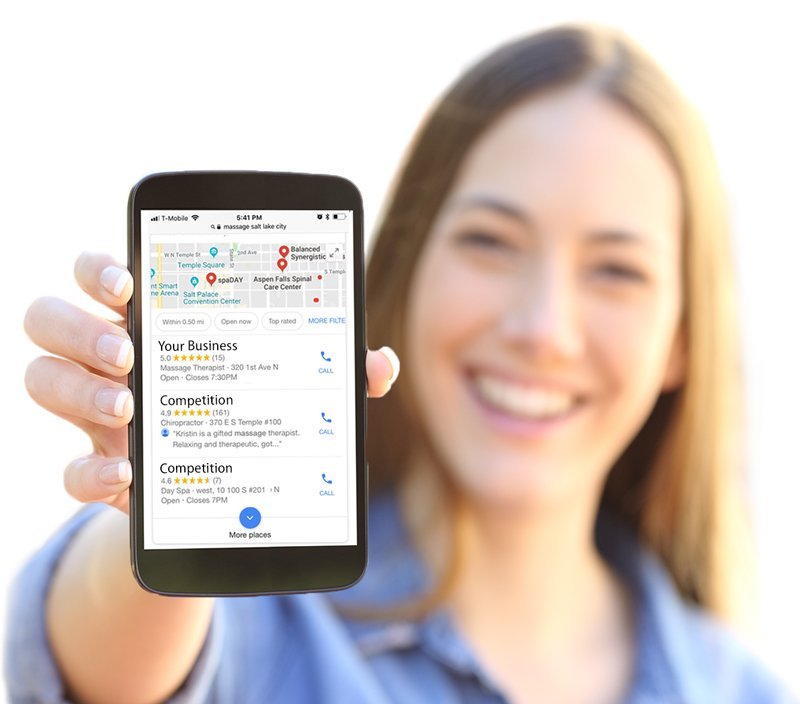
You know reviews drive local business — 90%+ of customers read them, and Google’s map rankings heavily favor reviewed businesses. But you’re starting from zero, asking feels awkward, and you’ve heard horror stories about fake reviews getting accounts banned. How can I get reviews for my new local business on google, ethically and effectively?
The good news: getting reviews is a system, not luck. Here’s the playbook that takes businesses from 0 to 50+ reviews — all within Google’s rules.
How can I get reviews for my new local business on google?
The Foundation: Make Reviewing Frictionless
Most customers don’t review because of friction, not unwillingness. Eliminate it: create your Google review link (Google Business Profile > Get more reviews — it generates a short link and QR code). Put that QR code everywhere: on receipts, at the register/counter, on the final invoice, in email signatures, on your website’s thank-you page. The easier it is, the more it happens — a customer who’s handed a QR code at the perfect moment converts 10x better than one told to ‘find us on Google sometime.’
Timing is everything: ask at the peak of satisfaction — right after the sparkling clean, the delicious meal, the fixed phone. Not a week later by email (though email follow-up catches the ones you missed). Train every employee to ask; make it part of the checkout script: ‘If you loved the service, a Google review would mean the world to us — here’s the QR code.’ Normal, warm, no pressure. And never offer payment or discounts for reviews — that’s against Google’s policy and can get reviews removed en masse.
9 Tactics to Accelerate Reviews
1. Ask every customer, every time — the 80/20 of review generation is just asking consistently. 2. QR codes everywhere physical and digital. 3. Follow-up texts/emails 24 hours after service with the direct link (use your CRM or even manual texts at small scale). 4. Respond to every review — responses signal to Google (and prospects) that you’re engaged, and reviewers feel heard. 5. Make it personal: ‘Would you mind leaving us a Google review? It really helps our small business’ outperforms generic requests.
6. Leverage your best moments: after a compliment, say ‘That’s so kind — would you put that in a Google review so others can see it?’ 7. Email signature link on every outgoing email. 8. Review us page on your website with the direct link. 9. Social proof loop: share great reviews on social media (with permission) — it reminds other customers to leave theirs. Target: 5–10 reviews in month one, 50+ by month six. Velocity matters for rankings — steady beats sporadic.
Handling Bad Reviews and Staying Compliant
You will get bad reviews. Respond to every one within 24 hours: acknowledge, apologize without admitting legal liability, offer to make it right offline (‘Please call us at… so we can fix this’). Never argue publicly — future customers judge your response more than the complaint. A thoughtful response to a 1-star review often impresses prospects more than ten 5-star reviews. If a review is fake or violates policy (competitor, ex-employee, never a customer), flag it in your Business Profile — Google removes clear violations, though the process is slow.
Compliance rules that matter: don’t review your own business, don’t have employees review it, don’t buy reviews (Google’s detection is good and penalties include profile suspension), don’t gate reviews (asking only happy customers via selective links violates policy — ask everyone). And diversify eventually: Yelp, Facebook, and industry-specific platforms (Angi, TripAdvisor) matter too, but Google reviews drive the map pack — that’s priority one. Pair this with the broader cheapest local advertising playbook and your Google presence becomes a customer machine.
Quick Answers
- Remove friction: QR code + short review link everywhere — receipts, counter, invoices, emails.
- Ask at peak satisfaction: right after great service, not a week later.
- Ask everyone, every time — consistency beats cleverness.
- Follow up: text/email with direct link 24 hours after service.
- Respond to ALL reviews within 24 hours — good and bad.
- Bad reviews: acknowledge, apologize, take it offline. Never argue publicly.
- Never: buy reviews, gate by sentiment, review yourself, or offer incentives.
- Target: 5–10 in month one, 50+ by month six — steady velocity wins rankings.
The Bottom Line
Getting Google reviews for a new local business is a system: frictionless QR codes and links, asking at the moment of peak satisfaction, consistent follow-up, and responding to everything. Do it relentlessly and ethically, and 0 becomes 50+ within six months.
Reviews are the highest-ROI marketing a local business has — they drive rankings, build trust, and compound over time. The businesses with 200 reviews didn’t get lucky; they asked 2,000 customers. Start asking today.
Frequently Asked Questions
How long does it take to get Google reviews to show up?
Usually within minutes to a few hours, but Google’s filters sometimes hold new reviews for days — especially from new accounts or if several arrive at once. Don’t panic; they typically appear. If reviews never appear, common causes: the reviewer wasn’t signed into Google, they used the same Wi-Fi/IP as many other reviewers (looks suspicious), or the review tripped the spam filter. Ask reviewers to write 2–3 sentences of specific detail — detailed reviews pass filters better than ‘great service!’ one-liners.
Can I ask customers for reviews via text or email?
Yes — and you should. A follow-up text 24 hours after service with your direct review link is the highest-converting review request there is. Email works too, slightly lower conversion. What’s not allowed: offering incentives for reviews, selectively asking only happy customers (review gating), or fake reviews. Ask everyone, equally, with no reward — that’s the compliant formula. Automation tools (Podium, Birdeye) streamline this at $200–$400/month; manual texts work fine under ~50 customers/month.
Should I respond to positive reviews too?
Yes — briefly. ‘Thanks, Sarah! Glad we could help.’ takes 10 seconds and signals to Google and prospects that you’re engaged. It also notifies the reviewer, deepening their loyalty. You don’t need essays; warmth and speed matter more than length. Respond to every review, positive or negative, within 24 hours — it’s the habit that separates 4.8-star businesses from 4.2-star ones with the same service quality.
What if a competitor leaves fake negative reviews?
Flag them in your Business Profile (report as conflict of interest) and respond professionally anyway — prospects see your response, not Google’s investigation. Document everything: screenshots, timing patterns, any evidence linking the reviewer to the competitor. Google removes clear policy violations but the process is slow (weeks). In egregious cases, a lawyer’s letter works faster than Google’s forms. Don’t accuse publicly — ‘We have no record of you as a customer; please contact us so we can investigate’ is the professional move. Google’s own business review policies define what’s prohibited — knowing the rules helps you enforce them.
How do reviews affect my Google Maps ranking?
Significantly — review count, average rating, and review velocity are core local ranking factors. Businesses with 100+ recent 4.5+ star reviews dominate the map pack for ‘near me’ searches; businesses with 5 reviews don’t appear. It’s a compounding advantage: higher rank brings more customers, who leave more reviews. That’s why the system in this article matters more than any ad spend — and why service businesses like cleaning companies treat review generation as their primary marketing channel from day one.