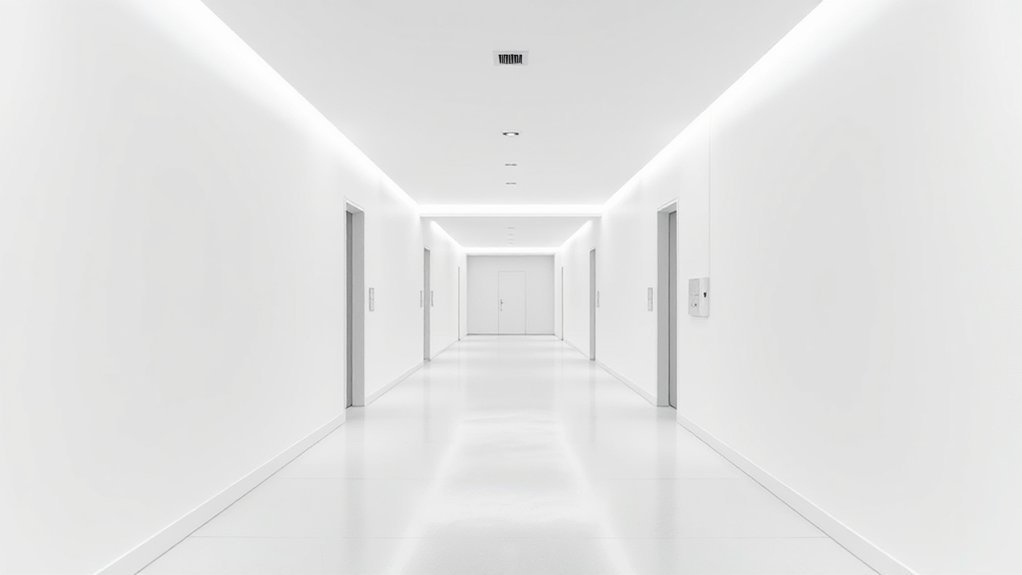
How to Brighten a Dark Hallway Without New Wiring
How to Brighten a Dark Hallway Without New Wiring
Dark hallways feel gloomy and even a little unwelcoming — but running new wiring means an electrician, drywall work, and real money. The good news: you can dramatically brighten a hallway without touching a single wire. I’ve taken hallways from cave-like to cheerful for under $150.
Here are the methods that actually work, no electrician required.
Bounce and Borrow Light
Mirrors are the single most effective no-wiring brightener. A large mirror at the end of a hallway — or opposite any light source — doubles the perceived light by reflecting it down the corridor. Even a gallery of smaller mirrors works. The key is placement: mirrors need something to reflect, so position them to catch window light, an open doorway’s light, or an existing fixture’s glow.
Paint does the heavy lifting too. Dark hallways are often painted in flat, light-absorbing colors. Repaint in a light color with a satin or eggshell finish — the slight sheen reflects significantly more light than flat paint. White ceilings are non-negotiable; a dingy ceiling absorbs light that should be bouncing down. And declutter ruthlessly: every object in a hallway blocks light and casts shadows. Clear consoles, coat piles, and oversized art open the space visually and literally let light travel.
Add Light Without Wiring
Battery and rechargeable lighting has gotten genuinely good. LED puck lights ($15 for a 6-pack) with motion sensors stick under shelves or along baseboards and turn on as you walk through — surprisingly effective in dark stretches. Rechargeable LED wall sconces ($25 to $40 each) mount with adhesive or screws, look like real wired sconces, and run weeks per charge. Battery picture lights above art ($20) add focused glow.
Plug-in options where outlets exist: a slim plug-in wall sconce or a table lamp on a narrow console ($30 to $60) — use warm-white bulbs (2700K-3000K) for a welcoming feel. Solar tube / sun tunnel skylights ($500 to $1,000 installed) are the nuclear option for windowless hallways — they pipe real daylight from the roof with no wiring, though they do need roof access and a pro install. For most hallways, the battery-plus-mirror combo solves it for under $100.
Finishes and Details That Multiply Light
Flooring matters more than people expect: dark floors absorb light while light floors reflect it. A light-colored runner rug ($40 to $80) down a dark hallway brightens the whole space and quiets footsteps — double win. If the floors are dark wood, the runner is the fastest fix short of refinishing.
Swap solid interior doors for ones with frosted glass inserts ($150 to $250 per door, or $30 frosted film on existing glass) to borrow light from adjacent rooms — this is transformative in hallways with no windows. Keep doors open when possible. Replace heavy window coverings at the hallway’s end with sheers or frosted film. And clean the existing fixtures and bulbs — a dusty fixture and an old dim bulb can cut light output by 30%. Sometimes the cheapest brightening is just maintenance.
Dark Hallway Brightening Plan
No electrician needed:
- Paint walls light with satin/eggshell sheen; white ceiling.
- Place a large mirror to reflect existing light sources.
- Declutter — every object blocks light and casts shadows.
- Add motion-sensor LED pucks or rechargeable sconces ($15-$40).
- Lay a light-colored runner rug ($40-$80).
- Borrow light with frosted glass doors or film ($30).
- Clean fixtures and replace old bulbs — free 30% boost.
- Total: most hallways transformed for under $150.
The Bottom Line
Brightening a dark hallway without new wiring comes down to reflecting more light (mirrors, light paint, light floors) and adding wire-free light sources (battery sconces, motion pucks). Under $150 solves most hallways.
It’s one of the fastest mood upgrades in a home. A bright hallway changes how the whole house feels — and nobody will guess you didn’t rewire anything.
Hallway Lighting Temperature and Bulb Guide
Bulb choice makes or breaks hallway brightening — and most people get it wrong. Color temperature: 2700K-3000K (warm white) for hallways, always. Cool white (4000K+) feels institutional and harsh in residential hallways; it’s the reason some ‘bright’ hallways still feel unwelcoming. Warm light flatters skin tones, wood finishes, and artwork — everything a hallway contains. Replace any cool bulbs immediately; it’s a $10 fix with outsized impact.
Brightness: aim for 100-200 lumens per linear foot of hallway via distributed sources rather than one blinding fixture. Multiple modest lights eliminate the harsh shadows that make hallways feel cave-like — a single bright ceiling light creates bright-spot/dark-corner contrast that reads as gloomy. If you have one fixture, supplement with battery sconces or LED strips rather than a brighter bulb. And use high-CRI bulbs (90+) — color rendering index measures how accurately colors appear; cheap low-CRI LEDs make everything look slightly dead.
Smart upgrades without wiring: motion-sensor bulbs ($12 each) in existing fixtures mean the hallway lights itself as you approach — wonderful for nighttime navigation and energy savings. Battery-powered motion puck lights handle the stretches between fixtures. And put any plug-in lamps on smart plugs ($10) with schedules or motion triggers. The hallway that lights itself as you walk through feels luxurious and high-tech, all without an electrician touching a wire.
Quick Answers
What color temperature for hallways?
2700K-3000K warm white — flattering and welcoming. Avoid cool white (4000K+) which feels institutional.
How bright should hallway lighting be?
100-200 lumens per linear foot from distributed sources — multiple modest lights beat one bright fixture for eliminating gloomy shadows.
Are motion sensor lights worth it in hallways?
Absolutely — $12 motion bulbs or battery pucks mean the hallway lights itself. Great for nighttime safety and energy savings.
Don’t overlook the power of reflective surfaces beyond mirrors. Metallic and glass decor elements — a mirrored tray on the console, glass-front frames, metallic lamp bases — each bounce small amounts of light that collectively brighten a hallway. Even switching dark artwork for pieces with light backgrounds and reflective glass changes the light dynamics. It’s the same principle as the mirror trick, distributed across the decor. Audit your hallway for light-absorbing surfaces (dark wood, matte black, heavy fabrics) and consider whether each earns its place.
The ceiling deserves special attention as the largest reflective surface in the hallway. Beyond white paint, consider a satin or semi-gloss ceiling finish — the slight sheen reflects noticeably more light downward than flat ceiling paint. It’s a subtle difference that compounds across the whole hallway length. And if the hallway has a textured or popcorn ceiling, know that texture absorbs light and shadows unevenly — in a dark hallway, a smooth ceiling (skim-coated during a repaint) brightens more than you’d expect. The ceiling is the forgotten half of hallway lighting design.
Further reading: Energy Star lighting guidance, the Department of Energy on efficient lighting.