Which Type of Phone Case Actually Protects Against Drops?
Which Type of Phone Case Actually Protects Against Drops?

The case aisle is overwhelming: slim cases, rugged tanks, wallet folios, clear cases, $15 Amazon specials, $60 name brands. They all claim ‘military-grade protection,’ which sounds impressive and means almost nothing. Which type of phone case actually protects against drops? Let’s cut through the marketing with what actually matters.
I’ve seen the aftermath of thousands of drops (repair shop friends tell stories), and the pattern is clear: case type matters less than specific design features. Here’s what to actually look for.
Which type of phone case actually protects against drops?
What Actually Protects: The Physics
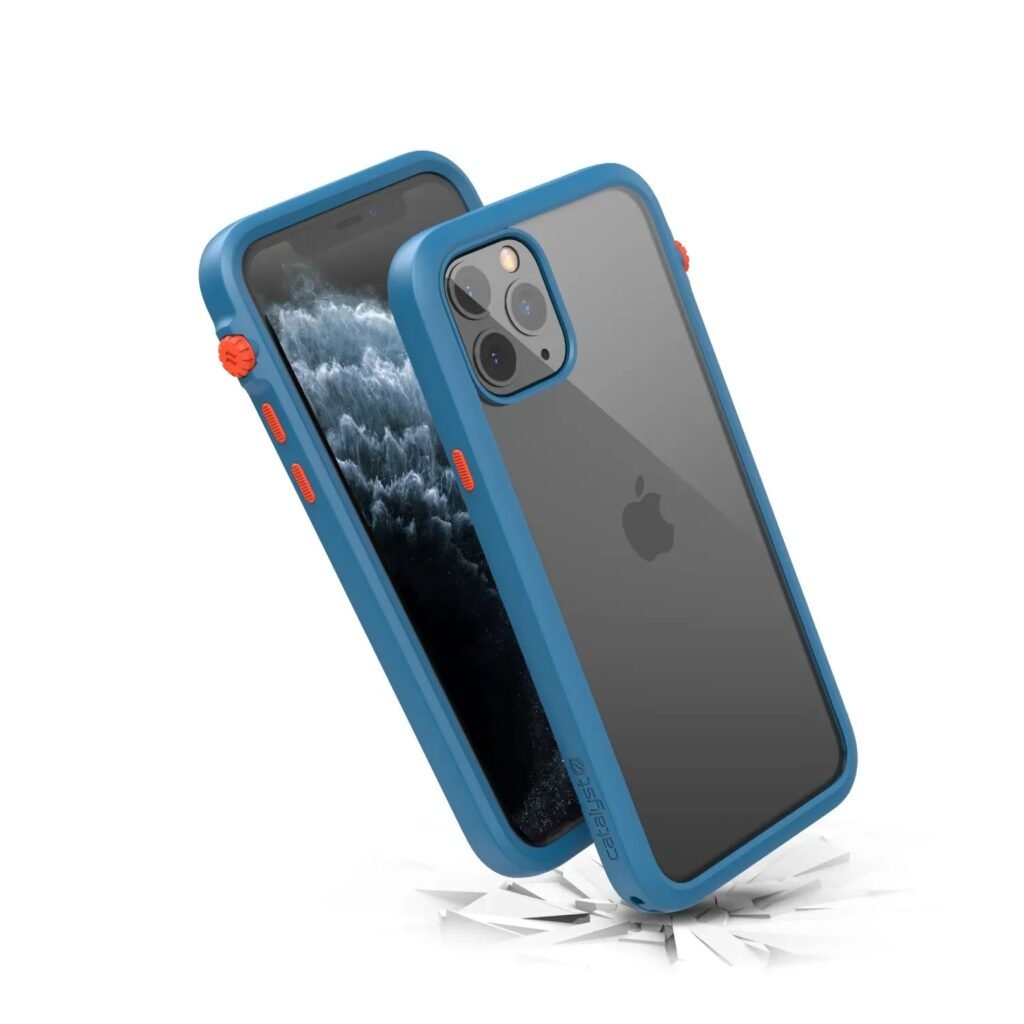
Drop protection comes down to three things: shock absorption, screen protection, and corner coverage. Shock absorption means soft, flexible materials (TPU, silicone) that compress on impact and spread the force — hard plastic alone just transfers the shock to your phone. The best cases combine a soft inner layer with a harder outer shell (that’s what ‘dual-layer’ means, and it’s genuinely effective).
Screen protection means a raised lip (bezel) around the screen — at least 1mm — so a face-down drop hits the case, not the glass. Corner coverage matters because drops land on corners: look for reinforced air-cushion corners (small air pockets in the TPU). And ‘military-grade’ / MIL-STD-810G? It’s a real test standard, but manufacturers self-certify with wildly varying rigor — treat it as a hint, not a guarantee.
Case Types, Ranked Honestly
Rugged dual-layer cases (OtterBox Defender, UAG, Spigen Tough Armor): the best protection, period. Bulky, ugly to some, but they survive drops that kill other cases. If you’re clumsy or work outdoors, this is your answer. Slim TPU cases (Spigen Liquid Air, Caseology): the sweet spot for most people — good shock absorption, raised lips, pocket-friendly. They handle everyday drops (pocket height onto hard floors) reliably. Clear cases: show off your phone, but most are thin hard plastic with minimal shock absorption — style over safety.
Wallet folio cases: great screen protection when closed (the cover takes the hit), mediocre when open — and they’re always open when you’re using the phone. Leather/slim designer cases: scratch protection, not drop protection. Battery cases: bulky but the bulk absorbs shock decently. No case + screen protector: a tempered glass protector prevents scratches and sometimes sacrifices itself to save the screen, but it does nothing for the body — this is a gamble, not a strategy.
The Honest Buying Guide
For most people: a $15–$25 slim TPU case from Spigen, Caseology, or ESR with a raised lip and corner air cushions, plus a $10 tempered glass screen protector. That’s $25–$35 total for protection that handles 95% of real-world drops. The $60 OtterBox only earns its premium if you’re genuinely hard on phones — construction sites, toddlers, rock climbing.
Two things matter more than brand: fit (a loose case is worse than no case — the phone rattles inside and takes secondary impacts) and replacement cadence (a case that’s cracked or stretched out has already spent its protection; replace it). And remember what the case can’t do: it won’t save your phone from water (see what to do when phones get wet), and no case fixes a phone that’s already dying — check screen replacement costs before deciding a case is ‘cheaper than a repair’ on a phone not worth repairing.
Quick Answers
- Best protection: rugged dual-layer (OtterBox Defender, UAG) — bulky but bombproof.
- Best for most: slim TPU (Spigen, Caseology) — shock-absorbing, pocket-friendly, $15–$25.
- Must-have features: raised screen lip (1mm+), reinforced air-cushion corners, snug fit.
- Add: $10 tempered glass screen protector — cheap insurance for the glass.
- Skip for drops: thin clear hard-plastic cases, leather sleeves, designer slim cases.
- ‘Military-grade’ claims: self-certified, treat as a hint not a guarantee.
- Replace damaged cases — a cracked case has spent its protection.
The Bottom Line
Which type of phone case actually protects against drops? A dual-layer rugged case for maximum protection, or a quality slim TPU case with a raised lip and air-cushion corners for everyday life. The features (shock-absorbing material, screen lip, corner reinforcement, snug fit) matter more than the brand or the ‘military-grade’ badge.
Spend $25–$35 on a good slim case plus a glass protector, replace the case when it’s damaged, and you’ll prevent the vast majority of cracked screens. It’s the cheapest phone insurance there is — far cheaper than the repair shop visit you’re avoiding.
Frequently Asked Questions
Do I need a screen protector if I have a good case?
Yes — they protect different things. The case guards against drops and corner impacts; the screen protector guards against scratches (keys, sand, grit in pockets) and adds a sacrificial layer that can crack instead of your screen. A $10 tempered glass protector is the cheapest insurance in tech. Get both; they’re complementary, not redundant. Skipping the protector because you have a case is like wearing a helmet but no seatbelt.
Are expensive cases worth it over $15 Amazon cases?
Sometimes. The $15–$25 tier (Spigen, Caseology, ESR) hits the sweet spot — legitimate drop protection with real engineering. Below $10, quality control gets dicey (poor fit, weak materials). Above $40, you’re paying for brand, materials (leather), or extreme ruggedness (OtterBox Defender). The jump from $8 to $20 buys real protection; the jump from $25 to $60 mostly buys branding. Buy in the sweet spot and replace when worn.
How often should I replace my phone case?
When it’s damaged, stretched, or yellowed — typically every 12–18 months for daily-use cases. A cracked case has already absorbed its one big hit; its protection is spent. A loose case is actively harmful (the phone rattles inside, taking secondary impacts). Yellowing on clear cases is cosmetic but indicates material degradation. Cases are consumables — budget $20/year for replacement and your phone will thank you.
Do wallet cases protect better than regular cases?
When closed, yes — the folio cover shields the screen from direct impact, which is the most common damage. When open (which is whenever you’re using the phone), protection drops to whatever the back shell provides — usually less than a dedicated TPU case. They’re the best choice for bag carry (screen protected in transit) and the worst for active use. If you go folio, get one with a TPU inner shell, not just leather over bare phone. And no case protects against water — for that threat, see what to do when your phone gets wet, because prevention beats every rescue attempt.