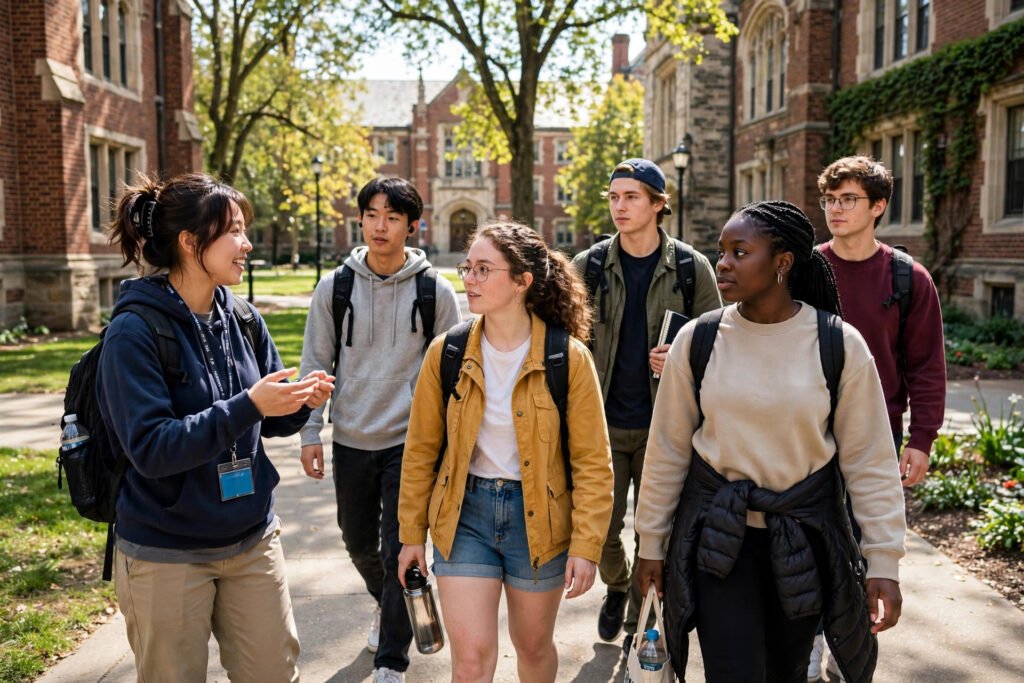
When Should You Visit College Campuses for Tours?
College campus tours are one of the most enjoyable — and most mishandled — parts of the admissions process. Families squeeze twenty campuses into a frantic summer road trip, tour empty quads in July, and wonder why every school blurs together. Or they wait until senior year, when the insights come too late to shape the application list. Timing your visits right transforms tours from tourism into genuine decision-making intelligence.
This guide covers when to visit college campuses for tours, what to do on each visit to get real signal (not brochure noise), and how to make every trip count.
The Ideal Timeline: Spring of Junior Year
For most students, the sweet spot is spring of junior year (March–May). By then, you have enough academic record to know roughly where you stand, you are starting to build your college list, and campuses are alive — classes in session, students everywhere, dining halls humming. A campus visited while school is in session tells you ten times more than one visited in summer.
Earlier visits (sophomore year or earlier) are fine for getting a feel for what “college” means — size, setting, vibe — but do not over-invest; your criteria will change. Senior fall visits are for finalists: the 3–5 schools you are seriously choosing between, ideally including an overnight or a class visit. Visiting after you have applied but before decisions is also smart — it gives you material for “why us” essays and demonstrated enthusiasm.
Which Season Shows You the Truth
Academic year (Sept–April): the gold standard. You see real student life, can sit in on classes, and eat in dining halls. Summer: convenient but misleading — campuses are quiet, the energy is gone, and you are touring a movie set. If summer is your only option, compensate by seeking out summer-session students and asking pointed questions. Avoid: finals weeks, spring break, and the dead week between Christmas and New Year’s, when campuses are ghost towns.
Weather matters more than people admit. Visiting a northern school in April sunshine tells you nothing about February. If you are considering schools in harsh climates, try to see at least one in winter — the “gray February Tuesday” test is real. Nobody regrets the winter visit; plenty regret skipping it.
Before You Go: Prepare Like It Matters
Register for the official information session and tour — and then plan to go beyond them. Research each school’s distinctive programs, read the student newspaper online, and prepare 5–6 specific questions. The official tour shows you what the school wants you to see; your job is to see the rest.
Plan logistics realistically: two campuses per day max, and only if they are close together. One per day with unhurried exploration beats a frantic double. Build in time to wander alone after the tour — the unscripted 45 minutes teach you more than the scripted 90. If you are comparing engineering programs specifically, our analysis of which careers are safest from automation can help you weigh majors while you tour.
On the Tour: What to Actually Evaluate
Tour guides are trained to be enthusiastic; listen past the script. Evaluate the students: Do they look happy? Stressed? Are they talking to each other or buried in phones? Evaluate the facilities you will actually use: the library at 9 p.m., the freshman dorms (not the showcase dorm), the dining hall food, the gym. Evaluate the surrounding area: walk 15 minutes off campus in every direction — this is your neighborhood for four years.
Ask questions that get real answers: “What do students complain about?” “Where do you study when the library is full?” “What happens on a typical Tuesday night?” “How hard is it to get the classes you want?” “What surprised you most as a freshman?” Current students answer these honestly, and the answers are gold. Also ask about career outcomes — what the National Association for College Admission Counseling calls “fit” includes whether graduates get where you want to go.
Beyond the Official Tour
The highest-value visit activities are unofficial. Sit in on a class — most admissions offices arrange this if you ask; a 200-person lecture and a 15-person seminar feel like different planets. Eat in a dining hall and eavesdrop. Read the bulletin boards — club flyers, event posters, and lost-and-found notes are an unfiltered window into campus culture. Talk to students who are not tour guides — the kid studying in the library will give you straighter answers than anyone on payroll.
If possible, do an overnight visit through the admissions office. One night in a dorm, one dining hall breakfast, one evening of real student life — it is worth five day-trips. And keep notes: after six campuses, they genuinely blur. A simple spreadsheet (campus, vibe, standout, concern, rating) saves you in decision season.
Virtual Tours: Useful, Not Sufficient
Virtual tours and online info sessions are excellent for initial screening — use them to cut your list from 20 to 8 before spending travel money. But they cannot replace an in-person visit for finalists. You cannot smell the dining hall, feel the campus energy, or get lost (getting a little lost is informative) through a screen. Use virtual for breadth, in-person for depth.
Money-Saving Tips for Tour Season
Campus visits get expensive. Cluster schools geographically (the Boston cluster, the North Carolina cluster, the Big Ten road trip). Many colleges offer fly-in programs for underrepresented or low-income students — free visits, and worth applying to. Stay with student hosts when offered, pack food, and remember that a focused visit to 6–8 serious contenders beats a blurry tour of 20. For gearing up a college-bound student affordably, choosing a budget laptop for college is one of the smartest pre-freshman purchases.
The Bottom Line
Visit in spring of junior year while classes are in session, go beyond the official tour, evaluate real student life with honest questions, and take notes. The goal is not to collect campuses — it is to learn which handful of places could actually be home. A well-timed visit does not just inform your list; it gives your essays the specificity that admissions officers reward. The College Board’s BigFuture site has excellent visit checklists to print before you go.
Frequently Asked Questions
When is the best time to visit colleges?
Spring of junior year (March–May) is ideal — campuses are in session and you are building your list. Senior fall visits should focus on your finalists, ideally with overnights or class visits.
Should I visit colleges in the summer?
Summer visits are better than no visits, but campuses are quiet and the vibe is misleading. If summer is your only option, seek out summer-session students and ask about academic-year life specifically.
How many colleges should I visit?
Most families visit 6–10 campuses in person, using virtual tours to screen a longer list first. Two campuses per day is the maximum for meaningful visits; one per day is better.
Do college visits help with admissions?
Most selective colleges do not formally track demonstrated interest, but visits give your “why us” essays the specific detail that strengthens applications — and they prevent the costly mistake of committing to a school you have never seen.