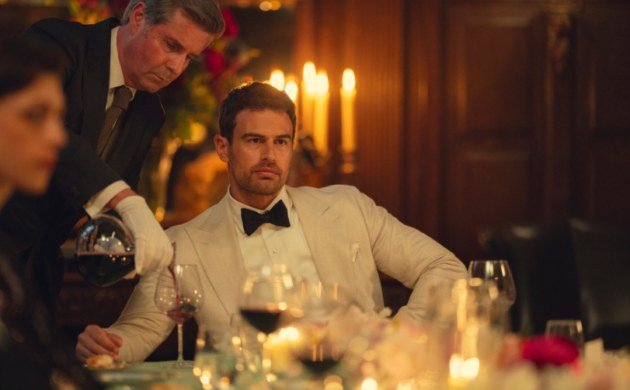
What Men Should Wear to a Semi-Formal Dinner Party
What Men Should Wear to a Semi-Formal Dinner Party
‘Semi-formal’ is the most confusing dress code in menswear — it sounds precise and means different things to different hosts. Too dressed and you’re the guy who wore a tux to a dinner party; too casual and you’re underdressed in the photos forever.
I’ve navigated this dress code across restaurants, homes, and venues. Here’s how to read it correctly and dress with confidence.
What Semi-Formal Actually Means for Men
Semi-formal sits between cocktail attire and business casual: more polished than everyday, less rigid than black-tie. The default interpretation: a suit or a sharp blazer-trouser combination, dress shirt, dress shoes — tie optional. Think ‘wedding guest’ energy rather than ‘board meeting’ energy.
The host and venue calibrate it: a semi-formal dinner at a private home is the relaxed end (blazer, no tie, dark jeans might even pass with the right crowd); at an upscale restaurant or venue, it’s the dressier end (suit expected). When the invitation says semi-formal without detail, default to the dressier reading — overdressed is a smaller error than underdressed.
The generational shift: under-40 semi-formal increasingly means blazer + trousers + open collar rather than full suit + tie. Both are correct; read your specific crowd. A quick check of what the host wears normally, plus one step up, rarely fails.
What Should Men Wear to a Semi-Formal Dinner Party? The Formulas
The safe classic: navy or charcoal suit, white or light-blue dress shirt, no tie (open collar), brown or black dress shoes. This works at virtually every semi-formal dinner — polished, modern, and impossible to get wrong. Add a tie if the venue is upscale or the crowd skews traditional.
The blazer formula: unstructured blazer (navy, gray, or olive), dress shirt, tailored trousers or dark chinos, loafers or derby shoes. Slightly more relaxed, very current, and more comfortable for long dinners. The texture contrast (e.g., linen blazer, cotton trousers) keeps it interesting.
The statement option: dark suit with a turtleneck instead of a dress shirt — sleek, fashion-forward, and seasonally perfect for fall/winter dinners. Or a velvet blazer (burgundy, forest, navy) with black trousers for holiday-season parties — festive without costume. Keep one statement piece per outfit; the rest stays classic.
The Details That Separate Sharp From Sloppy
Fit is the entire game at semi-formal: a $300 suit tailored well outclasses a $1,500 suit off the rack. Shoulders sit at your shoulder edge, jacket sleeves show 1/4–1/2 inch of shirt cuff, trousers break cleanly on the shoe. If you own one suit, keep it tailored — it’s your semi-formal workhorse.
Shoes make or break it: clean, polished dress shoes (oxfords, derbies, or loafers) — scuffed or casual shoes undermine the whole outfit instantly. Match leathers (belt to shoes) and metals (watch to cufflinks if worn). Socks: dress socks that match trousers, no white athletic socks, no novelty prints at formal-leaning events.
Grooming: fresh haircut territory (a few days before, not day-of), clean nails, subtle fragrance or none, and ironed/steamed everything. Wrinkles are the most common semi-formal failure — a steamer takes five minutes and transforms the outfit. Pocket squares: a simple white TV-fold adds polish without flash; skip it if it feels like too much.
What to Avoid
Don’t wear: a full business suit with a rep tie and wingtips (reads as ‘came from the office,’ not ‘dressed for dinner’), jeans unless the host’s circle is genuinely that casual (and even then, dark and crisp with a blazer minimum), sneakers of any kind, polo shirts, and anything wrinkled or ill-fitting.
The tie question resolved: ties are optional at most modern semi-formal dinners — an open collar with a well-fitted jacket reads intentional, not lazy. But bring one in your pocket (or car) if you’re unsure; adding a tie takes thirty seconds and rescues underdressing. You can’t remove overdressing as easily — though ditching the tie mid-evening is always an option.
Seasonal notes: summer semi-formal allows lighter colors (tan suit, light gray) and breathable fabrics; winter invites darker tones and textures (flannel, velvet accents). And eat comfortably — the dinner is the point. A slightly roomier waistband and a jacket you can move in beat a painted-on fit you’ll regret by dessert. For building a versatile wardrobe around these events, see our guide to Art of Manliness on dress codes.
The Fragrance and Grooming Finish
The outfit ends where grooming begins — and at a dinner party, the details get noticed in close quarters. Fragrance: one or two sprays max, applied 30 minutes before (it settles into something subtle rather than announcing itself). In intimate dinner settings, strong fragrance is genuinely unpleasant for table neighbors — when in doubt, go lighter. The goal is discovered, not announced.
The grooming checklist: nails clean and trimmed (hands are visible all evening — holding glasses, gesturing), hair styled but not overdone (dinner parties are long; choose styles that survive hours), facial hair neat (trimmed and shaped, or clean-shaven — the in-between reads as unfinished), and teeth (the obvious one people forget — a quick brush before leaving beats all-day coffee mouth).
The emergency kit, pocket-sized: a mint (not gum — discreet), a handkerchief or tissue, and lip balm. Dinner parties involve close conversation for hours; fresh breath and comfortable lips are the invisible details that make you pleasant company. None of this is vanity — it’s consideration. The best-dressed man at the party is the one people enjoy sitting next to.
The Takeaway
Navy or charcoal suit (or sharp blazer + trousers), dress shirt, open collar or tie depending on venue, polished dress shoes. Fit and grooming do the heavy lifting.
When unsure, dress one notch up — and keep a tie in your pocket as insurance. Semi-formal rewards the prepared.