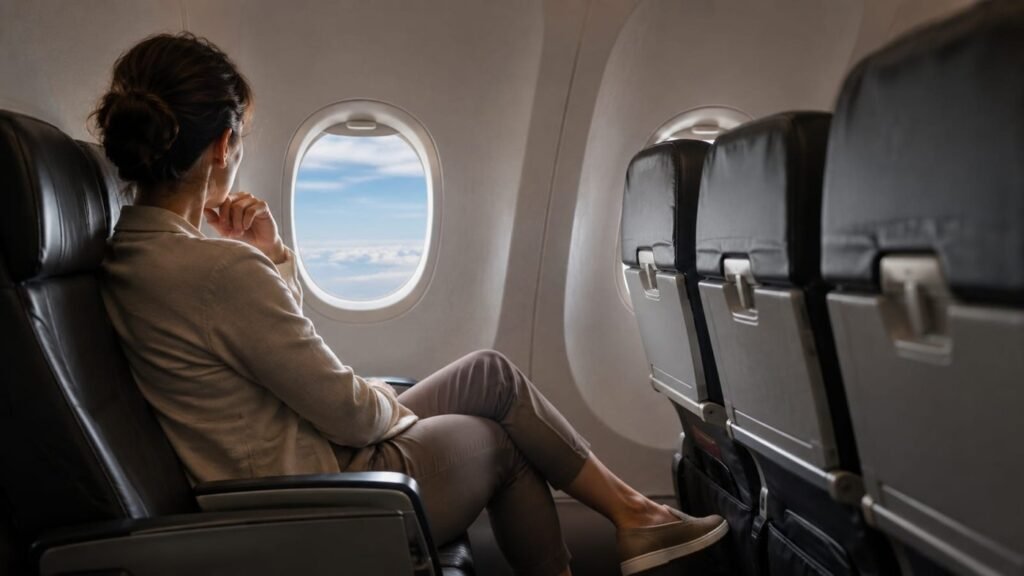
What to Wear on a Long International Flight for Comfort
What to Wear on a Long International Flight for Comfort
There’s a special kind of misery that comes from wearing the wrong clothes on a 12-hour flight. Jeans that dig in by hour four. Shoes you can’t wait to kick off. A cabin that swings from freezing to stuffy while you’re stuck in one outfit. I’ve made every mistake, so you don’t have to.
After more long-haul flights than I can count, I’ve landed on a formula that works: soft layers, the right fabrics, and shoes you can live in. Here’s the full breakdown.
The Foundation: Fabrics and Layers
Start with breathable, stretchy fabrics. A soft cotton or merino wool base layer — t-shirt or long-sleeve — handles temperature swings better than synthetics that trap heat. Merino is the frequent flyer’s secret weapon: it regulates temperature, resists odor for days, and doesn’t wrinkle. A $60 merino t-shirt sounds extravagant until your third day of travel in the same shirt still smells fine.
Layer like you’re dressing for unpredictable weather, because the cabin is. Base layer, a light sweater or hoodie, and a scarf or shawl that doubles as a blanket. Planes are notoriously cold — airlines keep cabins around 70°F but the air vents and thin blankets make it feel colder. The scarf is the MVP: blanket, pillow, eye shade in a pinch, and it dresses up your wrinkled outfit when you land. Avoid anything tight, restrictive, or with complicated buttons and zippers — you’ll be sitting for half a day.
Bottoms and Shoes: Where Comfort Is Won or Lost
For bottoms, the ranking is clear: joggers or soft travel pants first, leggings second, loose jeans a distant third. Whatever you choose needs stretch at the waist — you’ll be sitting for 10+ hours and possibly dealing with bloating from cabin pressure. Compression socks deserve a special mention: on flights over 6 hours they reduce swelling and lower the risk of blood clots. Get knee-high graduated compression socks (15-20 mmHg is plenty) and put them on before boarding.
Shoes should slip on and off easily for security and be comfortable enough for sprinting through a connection. Clean sneakers or supportive slip-ons win. Never wear new shoes on a long flight, and skip anything with laces you’ll have to redo in a cramped seat. Your feet swell at altitude, so shoes that fit snugly in the morning will feel tight by landing — go slightly roomy.
The Extras That Make a Real Difference
A few small items punch above their weight. An eye mask and good earplugs or noise-canceling earbuds — cabin noise sits around 85 decibels, which is genuinely tiring over hours. Lip balm and moisturizer, because cabin humidity drops below 20% and your skin will feel it. A change of underwear and a fresh shirt in your carry-on for landing — you’ll feel like a new person.
Skip heavy perfume or cologne (your seatmates will thank you), skip contact lenses if you can (they dry out painfully — wear glasses), and skip anything white if you’re a coffee drinker. Tie long hair back, bring a hair tie, and keep a small toiletry kit accessible. These sound fussy until you’re at hour nine feeling human while everyone around you is wilting.
Long-Flight Outfit Checklist
Lay this out the night before:
- Breathable base layer — cotton or merino wool top.
- Light sweater or hoodie plus a large scarf or shawl.
- Stretchy bottoms with a forgiving waistband — joggers or soft pants.
- Compression socks for any flight over 6 hours.
- Slip-on shoes, broken in, slightly roomy.
- Eye mask, earplugs, lip balm, and moisturizer in your personal item.
- Fresh shirt and underwear in your carry-on for landing.
The Bottom Line
Dress for a long international flight like you’re preparing for variable weather in a chair: breathable layers, stretchy everything, compression socks, and slip-on shoes. The scarf-as-blanket and the carry-on fresh shirt are the two tricks that separate comfortable travelers from miserable ones.
You’ll never regret being the comfortable person on the plane. Land feeling decent, change the shirt, and you walk through customs looking like you planned it that way.
What Not to Wear: Common Long-Flight Mistakes
The biggest mistake is dressing for arrival, not the flight. People wear their nice outfit to ‘look good landing’ and suffer for 12 hours — then arrive wrinkled anyway. Dress for the 12 hours; change into the nice outfit in the airport bathroom before customs if it matters. A $3 pack of wrinkle-release wipes handles most sins. Your seatmates don’t care what you look like, and you’ll never see them again.
Second mistake: too many accessories. Belts with big buckles, chunky jewelry, watches with metal bands — all of it digs in, sets off security, and gets lost in seat crevices. Simplify: one comfortable watch or none, minimal jewelry, a belt only if your pants need it (elastic waists don’t). Everything you wear should pass the ‘could I sleep in this’ test, because you might. Third mistake: new anything. New shoes blister, new pants chafe in unknown places, new anything is a gamble — the flight is not the time for experiments.
Finally, the temperature mistake: dressing only for the destination’s weather. You’ll transit through air-conditioned airports, sit in a cold cabin, and possibly wait on a hot tarmac — all in the same outfit. Layers solve everything; a single heavy coat or single t-shirt solves nothing. The versatile traveler looks slightly overdressed in the terminal and perfectly dressed everywhere else.
Quick Answers
Should I wear jeans on a long flight?
Only if they’re stretchy with a forgiving waistband. Rigid skinny jeans are miserable by hour six — joggers or soft pants are better.
Are compression socks really necessary?
For flights over 6 hours, yes — they reduce swelling and lower DVT risk. They’re the single most recommended item by frequent flyers and doctors alike.
Can I wear sandals on a plane?
You can, but your feet swell and get cold, and you’ll regret it during a rushed connection. Slip-on sneakers are the better call.
The personal-item packing strategy completes the comfort system. Your under-seat bag should function as a flight survival kit: the eye mask, earplugs, moisturizer, lip balm, medications, phone charger, snacks, water bottle (filled after security), entertainment, and that fresh shirt for landing. Everything you need in flight must be reachable without standing up — once the seatbelt sign is on and neighbors are asleep, the overhead bin might as well be on another plane. Pack the personal item deliberately the night before; the travelers digging through overhead bins mid-flight are the ones who packed in a hurry.
Further reading: TSA guidance on what to wear through security, the CDC on blood clots and long travel.