What to Eat After the Flu to Recover Faster
What to Eat After the Flu to Recover Faster
The fever’s finally broken, but you feel like you’ve been hit by a truck — weak, shaky, and with an appetite that’s barely crawling back. What you eat in the days after the flu genuinely affects how fast you bounce back. Your body just fought a war; now it needs supplies.
I’ve coached family members through this twice, and the pattern is always the same: people either eat nothing (slowing recovery) or jump straight back to heavy meals (hello, nausea round two). Here’s the middle path that actually works.
Day 1–2: Fluids First, Food Second
Coming off the flu, you’re almost certainly dehydrated — fever, sweating, and days of low intake drain fluids and electrolytes. Before worrying about food, rehydrate: water, oral rehydration solutions or sports drinks (diluted half-and-half with water cuts the sugar), broth, and herbal tea. Pale-yellow urine is your target; dark yellow means keep drinking.
Eat only when hunger stirs, and keep it bland and small: toast, plain rice, bananas, applesauce, oatmeal, saltine crackers — the old BRAT-diet foods earn their keep here. Small frequent portions beat normal meals; think six tiny snacks instead of three meals. Your stomach shrank its ambitions during the illness — respect that.
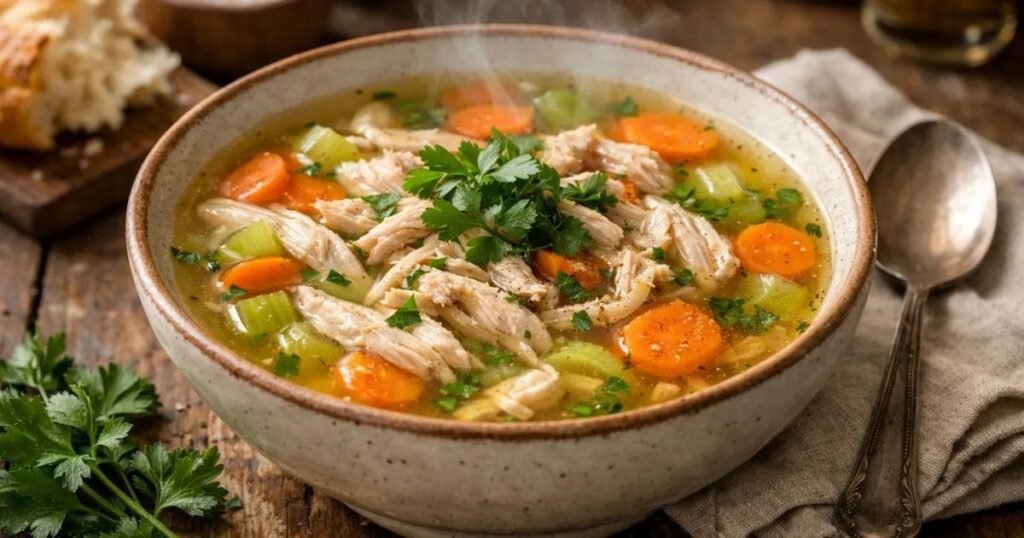
Chicken soup deserves its reputation: studies suggest it has mild anti-inflammatory effects and clears nasal congestion, plus it delivers fluids, electrolytes, and easy protein in one bowl. It’s not magic, but it’s genuinely one of the best recovery foods in existence. Homemade or good store-bought both count.
What Should I Eat to Recover Faster After the Flu? The Rebuilding Phase
Once your appetite returns (usually day 2–4), prioritize protein — your immune system burned through amino acids fighting the virus, and muscles may have weakened from days in bed. Eggs, Greek yogurt, chicken, fish, tofu, lentils: aim for protein at every meal. You don’t need heroic amounts; just don’t live on toast alone for a week.
Add color back gradually: berries, citrus, leafy greens, sweet potatoes. Vitamin C won’t retroactively cure anything, but adequate nutrition supports the immune cleanup still underway. Zinc-rich foods (meat, chickpeas, pumpkin seeds) and vitamin D matter too — deficiencies in either are linked to slower recovery from respiratory infections.
Fermented foods help reboot gut health: yogurt with live cultures, kefir, or miso soup. The flu — and especially any antibiotics taken during it — disrupts gut bacteria, and a week of probiotic foods helps normalize digestion faster. The CDC guidance on caring for flu at home notes that gut health and immunity are closely linked, which matches what recovery feels like from the inside.
What to Avoid While Recovering
Hold off on the victory burger. Heavy, greasy, very spicy, or very sugary foods commonly trigger nausea in a still-sensitive stomach — give it 3–5 days before the rich stuff. Alcohol is a hard no during recovery: it’s dehydrating, disrupts sleep architecture, and burdens a liver that’s been processing illness byproducts.
Caffeine deserves caution too. A small cup is fine if you’re a regular drinker (withdrawal headaches on top of flu recovery is cruel), but don’t use energy drinks or triple espressos to power through weakness — the crash worsens fatigue, and caffeine’s diuretic effect works against rehydration.
Dairy is individual: the old ‘dairy increases mucus’ claim is mostly myth, but if milk feels heavy or triggers nausea for you personally, skip it for a few days in favor of alternatives. Listen to your body over old wives’ tales — it’s giving accurate feedback right now.
Getting Your Strength Back
Expect weakness and easy fatigue for a week or two after the fever breaks — that’s normal, not a relapse. Post-viral fatigue is real: your body spent enormous energy on the immune response. Ease back into activity with short walks before workouts; jumping straight back to intense exercise can prolong recovery or trigger a setback.
Sleep remains medicine during recovery — keep prioritizing 8+ hours even after you feel ‘better.’ Appetite usually normalizes within a week; weight lost during a bad flu typically returns within 2–3 weeks of normal eating. If appetite doesn’t return after 10–14 days, or fatigue is profound and unrelenting, check in with your doctor — occasionally the flu unmasks or triggers other issues.
One forward-looking move: once recovered, get next season’s flu shot on the calendar. Having the flu is the most persuasive pro-vaccine experience there is — I got mine religiously after my worst bout. Future-you, shivering under blankets, will thank present-you. For strengthening defenses before next season, see our guide to NIDDK on digestive health during recovery.
When Appetite Won't Come Back
Most people’s appetite returns within a few days of the fever breaking. But sometimes it doesn’t — food still seems unappealing a week later, portions stay tiny, and weight keeps dropping. This is usually prolonged post-viral effects: taste and smell disruption (common after flu and other respiratory viruses), lingering nausea, or just a gut that’s still recalibrating. It’s unsettling but typically temporary.
The strategy: eat by the clock, not by hunger. Small, frequent, nutrient-dense meals — even when unappealing — because waiting for appetite that isn’t coming just extends the deficit. Prioritize protein and calories over ‘perfect’ nutrition; this is the rare situation where calorie-dense foods (nut butters, cheese, smoothies with protein powder and fruit) are exactly right. Smoothies are the secret weapon — easy to consume, easy to load with nutrition, gentle on reluctant stomachs.
See a doctor if: appetite hasn’t meaningfully returned after two weeks, you’re losing weight rapidly, or you can’t keep food down. Occasionally the flu triggers or unmasks other issues (thyroid shifts, GI problems), and persistent appetite loss deserves evaluation. But for most, the appetite creeps back over 7–14 days — often suddenly, mid-meal, with the glorious realization that food tastes like food again.
The Takeaway
Rehydrate first, eat bland and small, then rebuild with protein and colorful foods over the following week. Chicken soup, yogurt, eggs, and broth are your all-star team.
Be patient with lingering fatigue — it’s normal. Rest is still doing work even when the fever’s gone.