
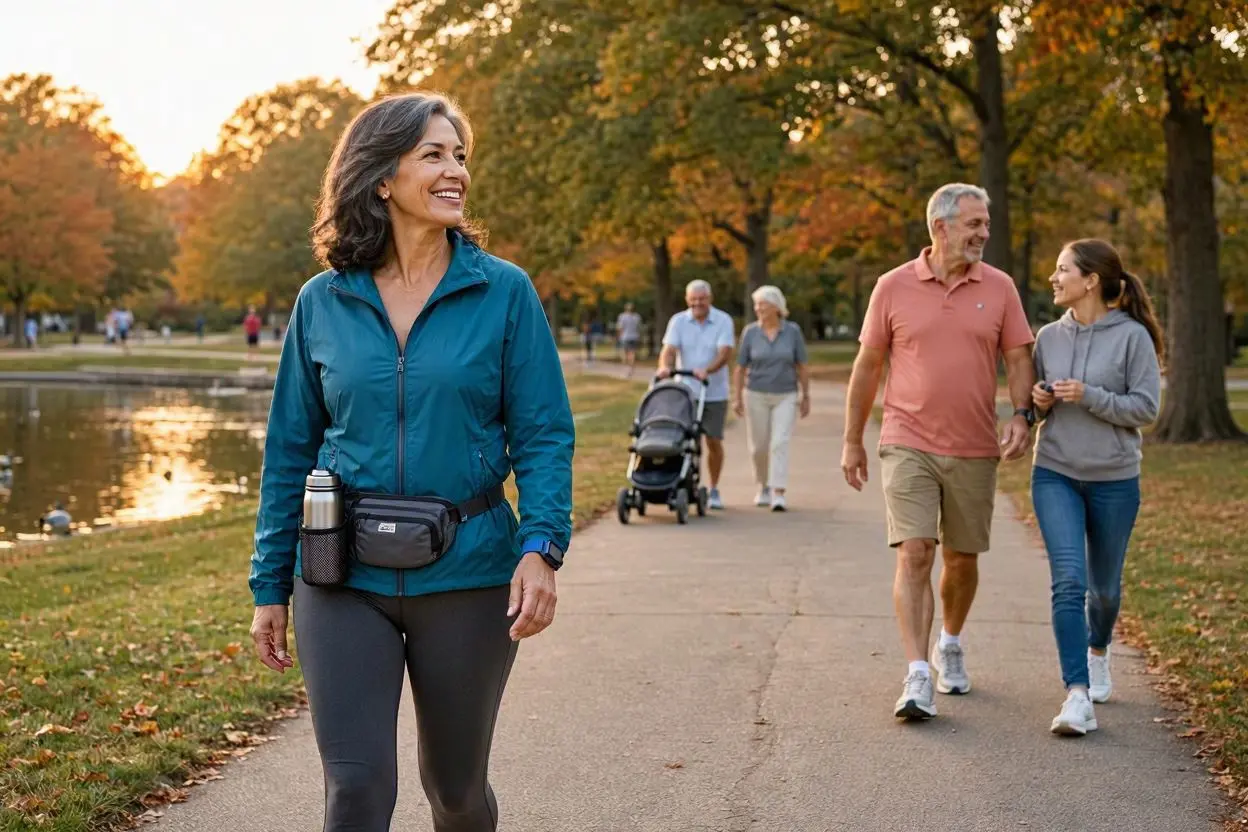
Walking is one of the easiest ways to stay healthy and active. It does not require expensive equipment, a gym membership, or special skills. You can walk in your neighborhood, at a nearby park, or even on a treadmill at home.
But what are the benefits of walking 30 minutes every day?
A daily 30-minute walk can support your heart health, help you manage your weight, improve your mood, and make you feel more energetic. It can also help you sleep better and maintain a healthy lifestyle.
The best part is that almost anyone can add walking to their daily routine. In this article, we will explore the main benefits of walking for 30 minutes every day and share some simple tips to help you get started.
1. Improves Heart Health
One of the biggest benefits of walking every day is better heart health.
Walking is a form of physical activity that helps your heart work more efficiently. Regular walking can support healthy blood circulation and help manage blood pressure.
A brisk 30-minute walk can also contribute to better cardiovascular fitness over time.
You do not need to walk very fast to get started. Begin at a comfortable pace and gradually increase your speed as your fitness improves.
Tip: Try walking at a pace that makes you breathe a little faster while still allowing you to talk.
2. Helps With Weight Management
Walking for 30 minutes every day can help you manage your weight.
When you walk, your body uses energy. The amount of energy you burn depends on your walking speed, body weight, age, and the type of surface you walk on.
Regular walking can help you burn calories and support fat loss when combined with a balanced diet.
Walking may also help you maintain your weight after reaching your fitness goals.
However, walking alone does not guarantee weight loss. Your overall eating habits, daily activity, and lifestyle also matter.
3. Supports Better Mental Health
Walking is not only good for your body. It can also benefit your mind.
Spending 30 minutes walking can give you a break from work, household tasks, and daily stress. Physical activity may help improve your mood and reduce feelings of stress and anxiety.
Walking outdoors can be especially enjoyable because you can get fresh air, enjoy nature, and take a break from screens.
If you feel tired or stressed after a long day, a short walk may help you feel calmer and more refreshed.
Simple idea: Leave your phone in your pocket and focus on your surroundings while walking.
4. Helps Improve Sleep Quality
If you struggle to maintain a regular sleep routine, daily walking may help.
Regular physical activity can support better sleep quality and help some people fall asleep more easily.
Walking during the day also gives you a reason to spend less time sitting and more time moving.
For better results, try to maintain a consistent walking schedule. Morning or afternoon walks can be good options.
If walking in the evening helps you relax, that may work for you too. However, avoid intense exercise close to bedtime if it makes you feel more alert.
5. Increases Daily Energy Levels
It may seem surprising, but moving your body can help you feel less tired.
A short walk can increase alertness and help you feel more active, especially if you spend most of your day sitting.
Walking regularly can also improve your physical fitness. As your body gets used to daily movement, everyday activities such as climbing stairs or shopping may feel easier.
You do not have to complete all 30 minutes at once. Even three 10-minute walks can help you build an active routine.
6. Supports Healthy Blood Sugar Levels
Walking after meals can be a useful habit for people who want to support healthy blood sugar levels.
Your muscles use glucose for energy when you move. This can help your body manage blood sugar more effectively.
Even a short walk after eating may help reduce the rise in blood sugar that happens after a meal.
People with diabetes can benefit from regular physical activity, but their exercise routine should fit their individual health needs.
If you take medication that can cause low blood sugar, ask your healthcare professional how to exercise safely.
7. Strengthens Muscles and Supports Joint Health
Walking is a simple, low-impact activity that works several muscles in your body.
It engages your leg muscles, including your calves, thighs, and glutes. It also encourages movement in your hips, knees, and ankles.
Regular walking can help maintain mobility and make daily activities easier.
For many people, walking is more comfortable than high-impact exercises such as running. However, the right amount of walking depends on your fitness level and any existing joint problems.
Wear comfortable shoes and choose a walking surface that feels safe for you.
8. May Support a Longer, Healthier Life
Regular walking is associated with several long-term health benefits.
People who maintain an active lifestyle tend to have a lower risk of certain health problems, including cardiovascular disease.
Walking is an easy way to reduce sedentary time and make physical activity part of your everyday life.
You do not need to complete an intense workout every day. Small, consistent habits can make a meaningful difference over time.
Remember that walking is one part of a healthy lifestyle. Eating nutritious food, getting enough sleep, and avoiding smoking are also important.
9. Improves Digestion After Meals
A gentle walk after eating may help some people feel more comfortable.
Walking encourages movement and can be a useful part of a daily routine, especially for people who spend much of their day sitting.
A short walk after lunch or dinner may also help support blood sugar control.
You do not need to walk quickly after a meal. Start with a gentle pace and see what feels comfortable.
If you experience ongoing digestive discomfort, speak with a healthcare professional rather than relying on walking alone.
10. Makes It Easier to Build a Healthy Routine
One of the most practical benefits of walking is that it is easy to maintain.
You can walk alone, with friends, with family, or while listening to your favorite podcast.
Unlike many exercise routines, walking usually requires very little preparation. This makes it easier to fit into a busy schedule.
Once walking becomes a habit, you may find it easier to stay active throughout the day.
Start small, stay consistent, and gradually work toward 30 minutes of walking each day.
How Many Calories Does a 30-Minute Walk Burn?
The calories burned during a 30-minute walk depend on your body weight, walking speed, age, and terrain.
Here is a general estimate for a person walking on relatively flat ground:
| Body Weight | Approximate Calories Burned |
|---|---|
| 55 kg | 80–120 calories |
| 70 kg | 100–150 calories |
| 85 kg | 120–180 calories |
| 100 kg | 140–210 calories |
These numbers are estimates, not exact measurements. A faster pace or uphill route may increase the number of calories burned.
Walking can support weight management, but the overall balance between calories consumed and calories used also matters.
Is Walking 30 Minutes a Day Enough Exercise?
For many adults, walking for 30 minutes a day is an excellent starting point.
The World Health Organization recommends that adults aim for 150–300 minutes of moderate-intensity aerobic physical activity per week.
Walking briskly for 30 minutes on five days each week adds up to 150 minutes.
If you walk for 30 minutes every day, that equals 210 minutes per week, which falls within the recommended range for moderate activity, provided the pace is sufficiently brisk.
Adults should also include muscle-strengthening activities on at least two days per week.
If you are new to exercise, remember that some physical activity is better than none. Start with a duration and pace that suit your current fitness level.
What Is the Best Time to Walk: Morning or Evening?
Both morning and evening walks can be beneficial. The best time depends on your schedule, preferences, and comfort.
Benefits of Morning Walking
- Helps you start the day with physical activity.
- May improve your mood and alertness.
- Can make it easier to maintain a consistent routine.
- Gives you an opportunity to enjoy cooler temperatures in some seasons.
Benefits of Evening Walking
- Helps you relax after a busy day.
- Provides an opportunity to spend time with family or friends.
- Can help you reduce the amount of time spent sitting.
- May support relaxation before bedtime.
The bottom line: The best time to walk is the time you can follow consistently.
Tips for Getting the Most Out of a 30-Minute Walk
Follow these simple tips to make your daily walking routine easier and more enjoyable.
- Start slowly: If you are new to exercise, begin with 10–15 minutes and increase gradually.
- Wear comfortable shoes: Choose shoes that fit properly and provide suitable support.
- Maintain good posture: Keep your back comfortable, shoulders relaxed, and head up.
- Walk regularly: Choose a time that fits your daily schedule.
- Stay hydrated: Drink water, especially in hot weather.
- Choose a safe route: Walk in areas with suitable paths and good visibility.
- Increase your pace gradually: Try brisk walking when your fitness improves.
- Track your progress: Use a simple calendar or fitness app to monitor your walking habit.
In hot weather, walk during cooler hours and avoid pushing yourself in extreme temperatures.
A Simple 30-Minute Daily Walking Plan
If you want to start walking every day, try this simple routine.
Minutes 1–5: Warm-up
Walk slowly and let your body warm up.
Minutes 6–25: Main walk
Walk at a comfortable or brisk pace, depending on your fitness level.
Minutes 26–30: Cool-down
Slow down and allow your breathing to return to normal.
You can adjust this plan to match your fitness level. If 30 minutes feels difficult at first, split the walk into shorter sessions throughout the day.
Frequently Asked Questions (FAQs)
1. What are the benefits of walking 30 minutes every day?
Walking for 30 minutes every day can support heart health, weight management, blood sugar control, better mood, improved sleep, and overall fitness. Regular walking can also help reduce the amount of time you spend sitting.
2. Can walking 30 minutes a day help you lose weight?
Yes, walking can support weight loss by helping you burn calories. However, results depend on your diet, body weight, walking speed, and overall activity level. Combining walking with balanced eating habits may help you achieve your goals.
3. How many calories do you burn walking for 30 minutes?
A 30-minute walk may burn approximately 80–210 calories for many adults, depending on body weight, speed, and terrain. The actual number varies from person to person.
4. Is walking 30 minutes a day enough to stay healthy?
For many adults, 30 minutes of brisk walking daily can meet the recommended weekly amount of moderate aerobic activity. Adding strength training twice a week can provide additional health benefits.
5. Is it better to walk in the morning or evening?
Both times can be beneficial. Morning walking may help you establish a routine, while evening walking can provide a relaxing break after work. Choose the time that fits your schedule and feels comfortable.
6. Can walking 30 minutes a day reduce belly fat?
Walking can help reduce overall body fat when combined with a suitable diet and consistent physical activity. However, it is not possible to choose exactly where your body loses fat, so walking cannot guarantee belly-fat reduction alone.
7. Is walking after meals beneficial?
Yes, a gentle walk after meals may help support blood sugar management and reduce the amount of time you spend sitting. Start at a comfortable pace, especially after a large meal.
8. How long does it take to see results from walking every day?
Some people notice improvements in mood and energy relatively quickly. Changes in fitness, weight, and other health measures may take several weeks or longer. Results depend on consistency, diet, starting fitness, and other lifestyle factors.
9. Should I walk every day or take rest days?
Many people can walk daily at a comfortable pace. However, beginners may benefit from lighter days or rest days as their bodies adjust. Reduce your activity if you experience unusual pain or excessive fatigue.
10. Can I split my 30-minute walk into shorter sessions?
Yes. You can divide your daily walk into three 10-minute sessions or two 15-minute sessions. Shorter walks are a practical way to stay active when you have a busy schedule.
Final Thoughts
Walking for 30 minutes every day is a simple way to improve your overall health. It can support your heart, help you manage your weight, improve your mood, and contribute to better sleep.
You do not need to walk fast or cover a long distance to get started. The most important thing is to make walking a regular part of your lifestyle.
Start with a comfortable pace, choose a time that works for you, and gradually build your daily walking habit. Over time, this small change can become an important part of a healthier life.



Leave a Reply