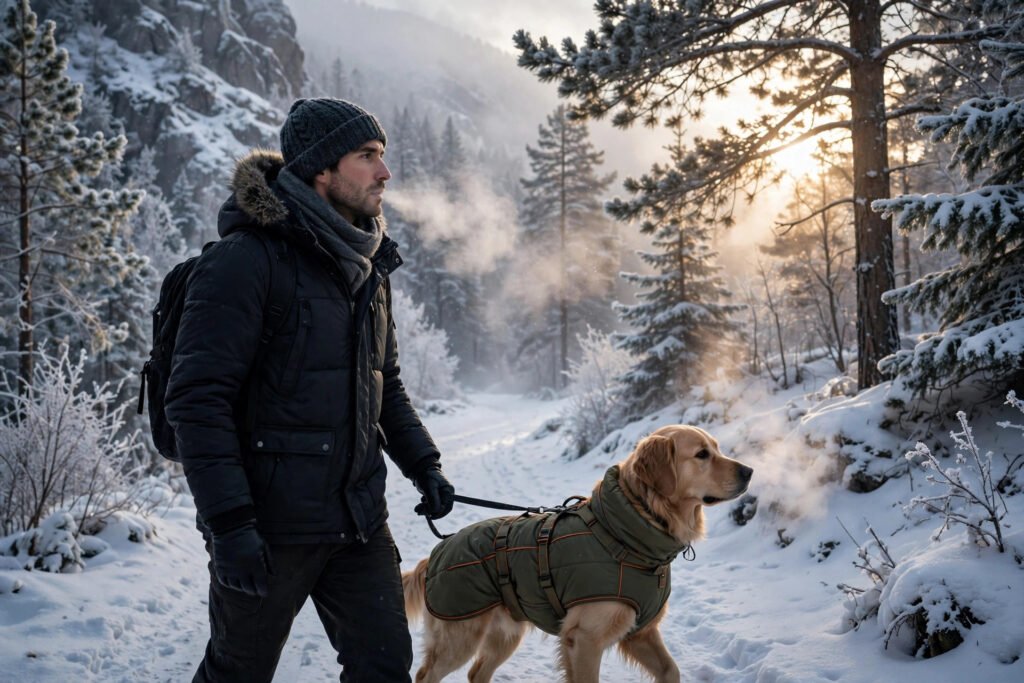
Is It Safe to Walk Your Dog in Subzero Temperatures? (Guide)
The thermometer reads -12°F, the wind is doing something unspeakable, and your dog is doing the potty dance by the door. Every Midwest dog owner faces this moment: is it actually safe to take them out, or am I risking frostbite for a bathroom break? The answer depends on your dog — their size, coat, age, and health — and on how you manage the minutes they spend outside.
Here is the science of dogs in extreme cold: which dogs are at risk and which are built for it, the temperature thresholds veterinarians actually use, how to recognize frostbite and hypothermia before they become emergencies, and the gear and routines that make subzero outings safe.
Which Dogs Handle Subzero Cold — and Which Do Not
Breed and body type dominate cold tolerance. Arctic and northern breeds — Huskies, Malamutes, Samoyeds, Bernese Mountain Dogs — have dense double coats engineered for exactly this weather and can handle subzero temperatures far longer than other dogs. Large, healthy, well-conditioned dogs with thick coats manage moderately cold outings fine.
At the other end, small dogs lose heat fast (high surface-area-to-volume ratio), short-coated breeds like Greyhounds, Boxers, and Pit Bulls have minimal insulation, puppies cannot regulate temperature well, and senior dogs — especially those with arthritis, heart disease, or kidney issues — are all high-risk in extreme cold. A Husky at -10°F and a Chihuahua at -10°F are living in different climates. Know which dog you own.
Temperature Guidelines Veterinarians Use
There is no single official chart, but veterinary guidance converges on practical thresholds. Above 20°F: most healthy dogs handle normal walks with attention to paws. From 0°F to 20°F: shorten walks, watch small and short-coated dogs closely, consider coats. From -10°F to 0°F: brief outings only — bathroom breaks and short walks for cold-tolerant breeds; high-risk dogs should be out only minutes. Below -10°F: bathroom breaks only for almost all dogs, a few minutes maximum, with full protection.
Wind chill matters as much as the thermometer — a -5°F day with 30 mph wind strips heat far faster than calm -15°F air. PetMD’s veterinary-reviewed cold weather guides offer breed-specific temperature thresholds worth checking for your dog. And acclimation counts: a dog that has been outside all fall handles January better than one kept indoors until the polar vortex arrives. Never leave any dog unattended outside in subzero cold, even cold-tolerant breeds — conditions change and dogs cannot come inside by themselves.
Gear That Makes Subzero Walks Safe
Coats: not optional for many dogs
A well-fitted insulated coat covering the chest and belly transforms a short-coated dog’s cold tolerance. Look for water-resistant outer shells, fleece or synthetic insulation, and belly coverage — the belly loses heat fastest and gets the most snow contact. Measure chest girth and back length; a coat that rides up or restricts leg movement will be hated and removed.
Paw protection
Subzero ground freezes paws fast, and municipal salt adds chemical injury to cold injury. Booties are the gold standard — the same gradual training that works for salt protection works here. At minimum, apply paw balm before outings and rinse paws after, since salt plus extreme cold is the worst combination paws face. Watch for the tell-tale paw-lift: a dog repeatedly lifting paws is saying “this hurts,” not being dramatic. Winter outings also mean winter mess — muddy, salty paws in the car are inevitable, so these tips for keeping your car clean with kids and pets earn their keep all season.
Recognizing Frostbite and Hypothermia
Frostbite warning signs
Frostbite hits extremities first: ear tips, tail tip, paw pads, and scrotum. Early signs are pale, gray, or bluish skin that feels cold and hard; as it progresses, the tissue becomes painful, then numb. If you suspect frostbite, move the dog somewhere warm immediately and warm the area gently with lukewarm (not hot) water — never rub frostbitten tissue, which damages it further. Veterinary care is warranted for anything beyond the mildest cases; tissue damage can take days to fully reveal itself.
Hypothermia warning signs
Hypothermia progresses from shivering and lethargy to weakness, confusion, shallow breathing, and collapse. Shivering is actually a good sign — it means the body is still fighting. When shivering stops in a cold dog, the situation is critical. Warm gradually with blankets and your body heat, offer lukewarm water once alert, and get to a vet immediately for moderate or severe cases. The AVMA’s cold weather safety guidance is the authoritative reference every winter dog owner should read.
The Subzero Routine That Works
On the coldest days, restructure the routine instead of skipping it. Keep walks short and purposeful — 5 to 10 minutes for most dogs below zero, bathroom-focused. Move vigorous exercise indoors: hallway fetch, stair climbs, tug games, and training sessions burn energy without frostbite risk. Feed slightly more on bitter days — dogs burn extra calories maintaining body temperature — and ensure constant access to unfrozen water, since dehydration compounds cold stress.
Watch your individual dog, not the thermometer alone. A dog that wants to keep playing at 0°F with no paw-lifting is fine; a dog shivering at 15°F needs to go in regardless of what the “guidelines” say. You know your dog’s normal — trust deviations from it. And keep winter driving in mind too: if you are heading out in dangerous cold, the same preparation logic behind packing an emergency kit for your car applies — a breakdown in subzero weather is dangerous for passengers with four legs too.
Conclusion
Walking your dog in subzero temperatures is safe when you match the outing to the dog: cold-tolerant breeds handle brief subzero walks with paw protection, while small, short-coated, young, senior, or ill dogs should be limited to quick bathroom breaks. Use coats and booties, watch for paw-lifting and shivering as your real-time gauges, and know the signs of frostbite and hypothermia cold. Respect the cold, gear up properly, and winter stays an adventure instead of becoming an emergency.
Frequently Asked Questions
At what temperature is it too cold to walk a dog?
Below -10°F, almost all dogs should be limited to brief bathroom breaks. From -10°F to 0°F, short walks are fine for cold-tolerant breeds with protection; high-risk dogs need minutes only. Wind chill and your individual dog’s response matter as much as the number.
Do dogs get frostbite on their paws?
Yes — paw pads, ear tips, and tail tips are the most common frostbite sites. Signs include pale or bluish skin, limping, and pain when paws are touched. Booties and paw balm are the best prevention.
How long can a Husky stay outside in subzero weather?
Northern breeds with proper acclimation can handle 30-plus minutes of active subzero time, but “can” is not “should” for extended periods. Even Huskies should not be left unattended outside in extreme cold, and they still need paw protection from salt.
Should I feed my dog more in winter?
Active outdoor dogs may need 10 to 25 percent more calories in deep winter to maintain body temperature and weight. Monitor body condition — you should feel ribs under a light fat layer — and adjust rather than guessing.
Is it safe to leave my dog in the car in winter?
Briefly, with caveats: a car cools to ambient temperature fast, becoming a refrigerator. A few minutes while you run in is fine for a healthy dog; longer than that in subzero cold risks hypothermia. Never leave dogs in cars in extreme cold the way you would never leave them in summer heat.