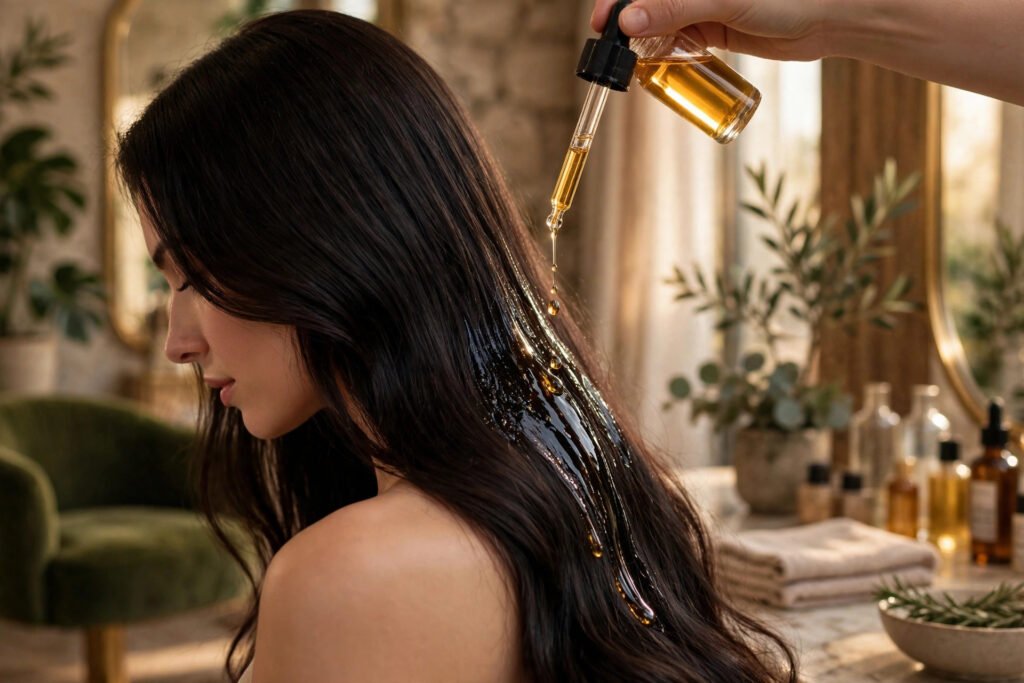
Is Hair Oiling Actually Good for Your Hair? (Science Guide)
Hair oiling — massaging oil into the scalp and strands, sometimes leaving it for hours — has thousands of years of tradition behind it, from Ayurvedic champi rituals to the Mediterranean olive-oil treatments your grandmother swore by. Social media has turned it into a viral hair-growth hack, with influencers promising thicker, longer, shinier hair from weekly oil soaks. But does hair oiling actually work, or is it just a greasy placebo with good marketing?
Here is what hair oiling actually does: the real science behind the tradition, which oils suit which hair types, the right technique (most people do it wrong), and the situations where oiling hurts more than it helps.
What Hair Oiling Actually Does: The Science
Hair oil works through three mechanisms, and understanding them separates real benefits from hype. First, certain oils reduce protein loss: a landmark study — indexed in the National Library of Medicine — found coconut oil — with its small molecular structure and affinity for hair protein — penetrates the hair shaft and measurably reduces protein loss from washing and styling, for both damaged and undamaged hair. Mineral oil and sunflower oil, by contrast, mostly sit on the surface. So the choice of oil genuinely matters.
Second, oils lubricate: coating the hair reduces friction between strands, which means less breakage from brushing, styling, and pillow friction. Less breakage means hair retains length — which is why oiling “grows” hair: it does not speed growth from the follicle, but it preserves the length you grow. Third, scalp massage itself — the champi ritual — increases blood circulation to the scalp, and some small studies link regular scalp massage to improved hair thickness over months.
What oiling does not do: it does not create new follicles, cure genetic hair loss, or repair split ends (nothing repairs splits — only trims remove them). Claims beyond breakage-reduction and scalp health are marketing.
Which Oil for Which Hair
Coconut oil: the most studied
Best for: thick, coarse, or damaged hair that needs deep penetration. The protein-loss research centers on coconut oil specifically. Caveat: it can be too heavy for fine hair (weighs it down, looks greasy) and some people find it causes breakouts along the hairline or back.
Argan, jojoba, and lighter oils
Best for: fine to medium hair, and daily light use. Jojoba closely mimics scalp sebum, making it excellent for scalp application without clogging. Argan absorbs well and adds shine without heaviness. These are the better choices for leave-in or pre-styling use.
Rosemary oil: the growth-claim oil
A small clinical trial found rosemary oil performed comparably to 2% minoxidil for hair count over six months — intriguing, though the study was small. Rosemary oil must be diluted in a carrier oil (a few drops per tablespoon); undiluted essential oils irritate scalps. It is the most evidence-backed “growth” oil, with the emphasis on modest expectations.
What to avoid
Heavy, unrefined oils on fine hair; essential oils undiluted on skin; and “hair growth” oil blends with no disclosed ingredients. More expensive does not mean more effective — a $8 bottle of coconut or jojoba oil outperforms most $40 “miracle” blends. Fold a single versatile oil into how much you budget for monthly self-care rather than collecting blends.
The Right Technique (Most People Get It Wrong)
The classic errors: applying oil to dirty hair (oil seals in buildup), using far too much (a tablespoon for long hair is plenty — hair should look lightly coated, not dripping), and leaving heavy oil on for days (attracts dirt, clogs follicles). The effective method: apply to dry or slightly damp hair before washing — a pre-shampoo treatment of 30 minutes to a few hours. Massage the scalp gently with fingertips (not nails) for 5 minutes, work the remainder through the lengths, then shampoo thoroughly — usually twice — to remove it fully.
Frequency: once a week suits most hair; very dry or coarse hair tolerates twice weekly; fine or oily hair may need only biweekly light oiling. Overnight oiling is traditional and fine occasionally, but protect your pillowcase and shampoo well in the morning. And if hard water or product buildup is your issue, note that oiling cannot fix what mineral buildup cause — oiling manages moisture, not mineral buildup.
When Oiling Hurts More Than Helps
Skip or minimize oiling if you have seborrheic dermatitis or dandruff driven by Malassezia yeast — oils feed the yeast and worsen flaking (this is the most common way oiling backfires). Avoid heavy scalp oiling if you are acne-prone along the hairline. Do not oil instead of treating medical hair loss — androgenetic alopecia, thyroid-related shedding, and other conditions need diagnosis, not coconut oil. If shedding is sudden, patchy, or severe, see a dermatologist — the American Academy of Dermatology outlines when hair loss warrants medical evaluation; remember that seasonal shedding is normal, but dramatic changes are not.
What Tradition Gets Right (and Wrong)
Hair oiling’s Ayurvedic roots run thousands of years deep — the champi head massage is both hair care and ritual, combining oil application with the scalp massage that modern studies link to improved thickness. Traditional practice gets several things right that science later confirmed: pre-wash application (oil protects hair from the swelling damage of washing), scalp massage (circulation matters), and regular gentle practice over time (consistency beats intensity).
Where tradition overreaches: the idea that oiling alone grows dramatically longer hair (growth rate is genetic; oiling preserves length by preventing breakage), that heavier and longer is always better (excessive oiling clogs follicles and attracts dirt), and that all oils are interchangeable (penetration science shows they are not — coconut oil’s small molecules behave fundamentally differently from mineral oil’s surface coating). The wisest approach borrows tradition’s ritual and consistency while applying modern discernment about which oil, how much, and how often. Ancient practice plus current evidence is the combination that actually delivers.
Building the habit
The people who benefit most from oiling are the ones who do it consistently for months — which means the routine must fit your life. Tie it to an existing habit: oil while the Sunday dinner cooks, during a weekly show, before a workout (the heat boosts penetration). Keep the oil where you will use it, not buried in a cabinet. A simple, repeatable 30-minute weekly ritual outperforms an elaborate monthly ceremony every time.
Conclusion
Hair oiling is genuinely good for your hair — with caveats. Coconut oil measurably reduces protein loss, all oils reduce breakage through lubrication (preserving length), and scalp massage supports scalp health. But it does not grow new hair, cure genetic loss, or repair splits. Use the right oil for your hair type, apply as a pre-shampoo treatment (not a leave-in lifestyle), shampoo thoroughly after, and skip it if you have dandruff or yeast-driven scalp issues. Ancient wisdom, modern evidence, realistic expectations.
Frequently Asked Questions
Does hair oiling make hair grow faster?
Not from the follicle — growth rate is genetic and hormonal. Oiling preserves length by reducing breakage, so hair gets longer over time. The distinction matters for expectations.
How long should I leave oil in my hair?
Thirty minutes to a few hours as a pre-shampoo treatment is the evidence-backed range. Overnight is traditional and acceptable occasionally. Days-long wear attracts dirt and clogs follicles — avoid it.
Can I use cooking coconut oil on my hair?
Yes — unrefined virgin coconut oil from the grocery store is chemically the same as the cosmetic version for hair purposes. Just keep it away from your face if you are breakout-prone.
Will oiling help with hair loss?
It reduces breakage-related thinning but does not treat follicle-level hair loss (genetic, hormonal, thyroid). See a dermatologist for diagnosed shedding; use oiling as a supporting practice, not the treatment.