
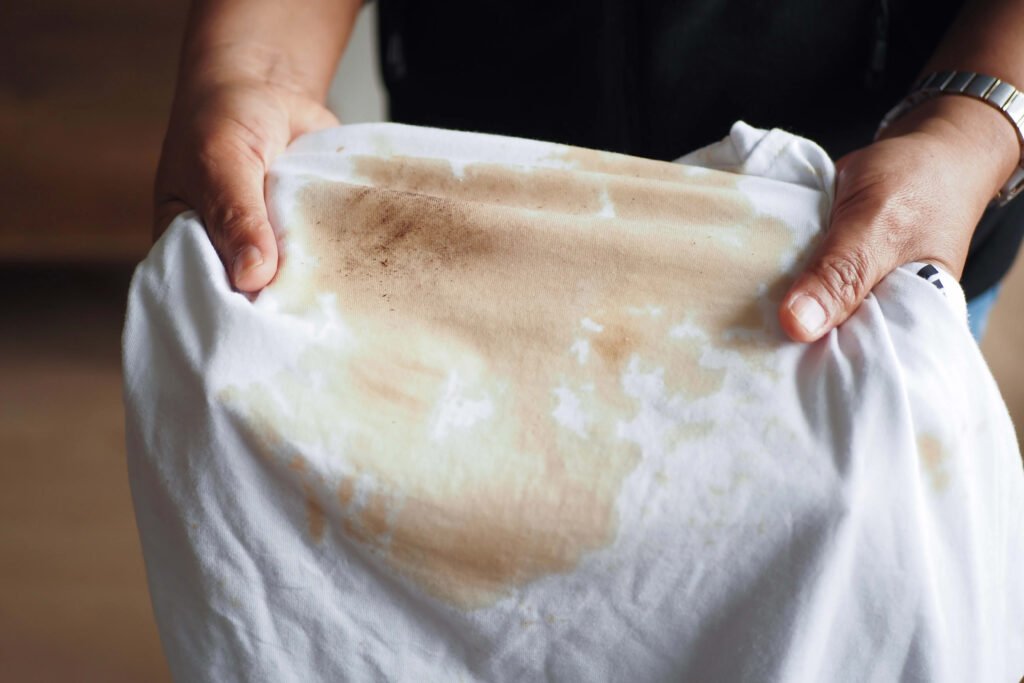
How to Wash Cheesecloth: Complete Care Guide (2026)
Quick Answer: To wash cheesecloth, rinse it in cold water immediately after use, then hand wash in warm water with mild dish soap. For a deeper clean, boil it for 5 minutes or machine wash on gentle in a mesh laundry bag. Always air dry — never use high heat, which can shrink and damage the loose weave.
What Is Cheesecloth?
Cheesecloth is a loose-woven cotton gauze fabric originally used for wrapping cheese during the cheesemaking process. Today it’s a kitchen multitasker used for:
- Straining stocks, broths, and sauces
- Making cheese, yogurt, and butter
- Wrapping herbs for bouquet garni
- Straining nut milks and juices
- Covering rising dough
- Basting turkeys and roasts
Cheesecloth comes in different grades (#10 to #90) — the higher the number, the tighter the weave. Most kitchen cheesecloth is grade #40 or #60.
Why Proper Washing Matters
Cheesecloth’s open weave traps food particles easily. If not cleaned properly:
- Bacteria can grow in trapped food residue
- Stains set permanently
- The fabric becomes stiff and less effective
- It develops unpleasant odors
Good news: with proper care, quality cheesecloth can be reused many times.
Method 1: Quick Rinse (After Every Use)
Do this immediately after every use — don’t let food dry on the cloth:
- Shake off any solid food particles over the trash
- Rinse thoroughly under cold running water (hot water cooks proteins into the fabric)
- Gently squeeze — don’t wring or twist (this damages the loose weave)
- Hang to air dry or proceed to a deeper wash
This quick rinse prevents 90% of staining and odor problems.
Method 2: Hand Washing (Regular Cleaning)
For cheesecloth used with dairy, meat, or oily foods:
- Fill a basin with warm (not hot) water
- Add a few drops of mild dish soap or a tablespoon of baking soda
- Submerge the cheesecloth and gently agitate for 2-3 minutes
- Let it soak for 15-30 minutes for stubborn residue
- Rinse thoroughly under cool running water until no soap remains
- Gently squeeze out excess water
- Hang to air dry
Don’t use: Bleach, fabric softener, or harsh detergents — they leave residues that can contaminate food.
Method 3: Boiling (Deep Sanitizing)
For cheesecloth used in cheesemaking or with raw meat:
- Fill a pot with water and bring to a rolling boil
- Submerge the cheesecloth completely
- Boil for 5 minutes (no longer — extended boiling weakens the fibers)
- Use tongs to remove (it will be very hot)
- Rinse with cool water
- Hang to air dry
Boiling kills bacteria and removes stubborn odors. Do this after every few uses for cheesecloth used with dairy products.
Method 4: Machine Washing (Easiest for Multiple Pieces)
If you have several pieces to wash:
- Place cheesecloth in a mesh laundry bag (prevents tangling and tearing)
- Wash on gentle/delicate cycle with cold or warm water
- Use a small amount of mild, unscented detergent
- No fabric softener, no bleach
- Remove promptly and hang to air dry
Tip: Wash cheesecloth separately from other laundry — lint from towels will cling to the open weave.
Drying Cheesecloth
Always air dry. Here’s why and how:
- Hang on a clothesline, drying rack, or clean shower rod
- Smooth it out to prevent bunching
- Ensure good airflow — the open weave dries quickly (usually within an hour)
- Sunlight is great — UV rays naturally sanitize
Never:
– Tumble dry on high heat (causes shrinkage and can melt synthetic blends)
– Wring it out aggressively (distorts the weave)
– Store while damp (invites mildew)
Removing Stains
Turmeric and Curry Stains
Soak in cold water with a tablespoon of baking soda for 1 hour before washing.
Tomato and Berry Stains
Rinse immediately in cold water, then soak in a mixture of cold water and white vinegar (1:4 ratio) for 30 minutes.
Grease and Oil Stains
Apply a small amount of dish soap directly to the stain, let sit for 10 minutes, then wash as normal.
General Discoloration
Soak in a solution of oxygen bleach (sodium percarbonate — NOT chlorine bleach) and warm water for 1-2 hours. This is food-safe and won’t damage the fabric.
When to Replace Cheesecloth
Even with great care, cheesecloth doesn’t last forever. Replace it when:
- The weave is visibly stretched, torn, or has holes
- It retains odors even after boiling
- It’s permanently stained (stains don’t affect function, but they’re unsightly)
- It feels stiff or rough even after washing
Typical lifespan: Cheap single-use cheesecloth: 1-3 uses. Quality reusable cheesecloth: 10-20+ uses with proper care.
Choosing Reusable vs. Disposable
Reusable cheesecloth (unbleached cotton, tighter weave):
– Costs more upfront ($8-15 for a pack)
– Lasts dozens of uses
– Better for the environment
– Worth it if you cook regularly
Disposable cheesecloth (thin, loose weave):
– Very cheap ($3-5 for a large pack)
– Designed for 1-2 uses
– Fine for occasional use
– Less effective at fine straining
Storage Tips
- Make sure cheesecloth is completely dry before storing
- Fold loosely — don’t compress tightly
- Store in a clean, dry drawer or container
- Keep away from strong odors (it absorbs smells easily)
Frequently Asked Questions
Can I put cheesecloth in the dishwasher? Not recommended. The harsh detergents and high heat can damage the fabric. Hand washing is gentler and more effective.
Is it safe to reuse cheesecloth? Yes, absolutely — as long as it’s properly cleaned and sanitized between uses. Quality cheesecloth is designed for reuse.
Can I use bleach on cheesecloth? Avoid chlorine bleach — it weakens cotton fibers and can leave harmful residues. Oxygen bleach (sodium percarbonate) is the safe alternative.
What’s the difference between cheesecloth grades? The grade number indicates threads per inch. Grade #10 is very open (good for coarse straining), grade #90 is very fine (good for smooth sauces). Grade #40-60 works for most kitchen tasks.
My cheesecloth smells even after washing — what do I do? Boil it for 5 minutes, then soak in a baking soda solution (2 tablespoons per quart of water) for 30 minutes. If the smell persists, it’s time to replace it.
Conclusion
Washing cheesecloth is simple: rinse immediately, hand wash or machine wash gently, and always air dry. With these habits, quality cheesecloth will serve you through many batches of stock, cheese, and nut milk. The key is promptness — the faster you rinse after use, the easier the deep clean will be.