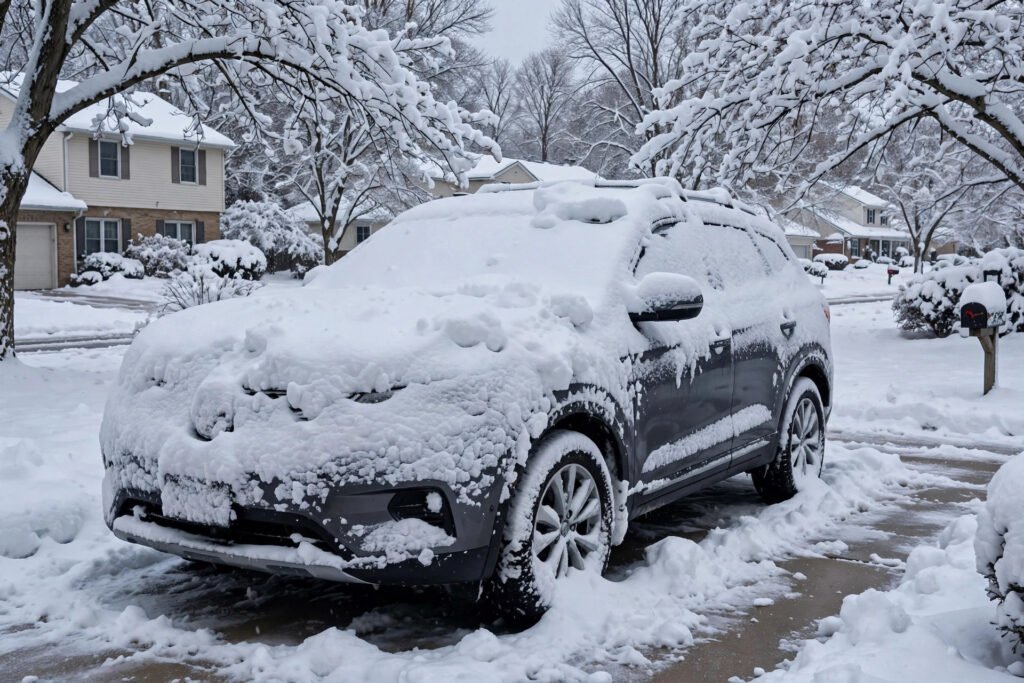
How to Prepare Your Car for a Michigan Winter
Michigan winters do not negotiate. Lake-effect snow, subzero cold snaps, freeze-thaw cycles, and road salt by the ton — from November through March, your car faces the harshest operating conditions in the lower 48. Every winter, Michigan roadsides fill with the unprepared: dead batteries, burst washer fluid lines, bald tires sliding through intersections. Almost all of it is preventable with a proper winterization routine done in October, before the first real cold hits.
This guide covers how to prepare your car for a Michigan winter: the full checklist, in priority order, so you are ready before the lake effect starts.
1. Battery: Test It Before It Tests You
Cold is a battery killer — at 0°F, a battery loses roughly 60% of its cranking power while the engine needs more to turn over. Test your battery in October: most auto parts stores do it free, or check voltage yourself (12.6V+ resting is healthy; under 12.4V means charge or replace). Replace proactively at 3–5 years old — a battery that “seems fine” in October routinely dies in January. Michigan winter is not the time to squeeze extra months from a marginal battery. Clean corroded terminals (baking soda and water, then dielectric grease), ensure the hold-down is tight, and consider a battery blanket if you park outside regularly. Battery testing guides cover the details, but the rule is simple: test in October and replace at the first sign of weakness.
2. Tires: Your Most Important Safety System
Tires matter more than all-wheel drive — AWD helps you go; tires help you stop and turn, which is what keeps you alive. Check tread depth (the penny test: insert a penny upside-down; if you see all of Lincoln’s head, you have under 2/32″ and need tires — the classic penny test walks through it). Consider dedicated winter tires: their rubber stays pliable below 45°F where all-seasons harden, cutting stopping distances dramatically on snow and ice. In Michigan’s lake-effect zones, winter tires are the single best safety investment you can make — time the switch for when overnight lows consistently drop below 45°F.
Check pressure monthly in winter — tire pressure drops about 1 PSI per 10°F of temperature fall, and underinflated tires handle worse and wear faster. The correct pressure is on your driver’s door jamb sticker, not the tire sidewall (that is the maximum). The National Highway Traffic Safety Administration emphasizes tire maintenance as the top winter-safety factor.
3. Fluids: The Ones Winter Attacks
Antifreeze/coolant: verify the 50/50 mix protects to -34°F (test strips are cheap; most shops check free). Old, weak coolant risks freeze damage to the engine block — catastrophic and expensive. Windshield washer fluid: switch to winter-rated fluid (-20°F or lower); summer fluid freezes in the lines and reservoir, sometimes cracking them. Keep an extra gallon in the trunk. Oil: if you are due, winter is the time — thinner winter-rated oils (like 5W-30 vs. 10W-30) flow better at startup in extreme cold. Check your manual. Gas: keep the tank at least half full all winter — it prevents fuel-line freeze and ensures you can idle for heat if stranded.
4. Wipers, Lights, and Visibility
Wiper blades: replace them in fall — winter blades with rubber boots resist ice buildup. If your blades streak, they are done. Lights: clean all lenses, verify every bulb (headlights, brake, turn, hazards), and consider that Michigan’s gray winters and early sunsets make visibility a survival issue, not a convenience. Defroster and heater: test both before you need them; a weak blower motor or clogged cabin filter discovered in January is miserable. Replace the cabin air filter — it is cheap and affects defogging performance directly. These are all great first projects if you are learning basic car maintenance — simple, cheap, and immediately useful.
5. The Emergency Kit (Non-Negotiable in Michigan)
If you slide off I-94 in a whiteout at midnight, this kit is the difference between an inconvenience and an emergency. Pack: blankets or sleeping bag, jumper cables or a lithium jump starter (the portable ones are excellent now), flashlight with extra batteries, first aid kit, ice scraper and snow brush (a real one, not a credit card), small shovel, sand or kitty litter for traction, extra warm layers, hat, and gloves, phone charger/battery bank, water and energy bars, and flares or reflective triangles. Our full car emergency kit checklist covers the complete setup — build it once and leave it in the trunk all winter. Check the kit each fall — replace expired energy bars, recharge the battery bank, and confirm the flashlight works.
6. Body and Undercarriage: Fight the Salt
Michigan uses roughly 500,000+ tons of road salt annually, and it eats cars. Wash regularly in winter — including the undercarriage (touchless washes with underbody spray are ideal); every 2–3 weeks minimum, more after heavy salting. Wax in fall for a protective barrier. Consider rustproofing/undercoating if you plan to keep the car long-term — professional oil-based treatments are the gold standard. Fix paint chips before winter; exposed metal rusts fast in salt spray. And keep door seals treated with silicone spray so they do not freeze shut.
7. Know Your Car’s Winter Quirks
Remote start: if you have it, use it — 5–10 minutes of warmup is plenty (longer idling wastes fuel and is restricted in some municipalities). No remote start? Consumer Reports and AAA both publish guidance on aftermarket remote starter costs and options. 4WD/AWD: engage before you need it, and remember it does not help you stop. Parking: park facing out when snow is forecast (easier to leave), avoid parking under trees in ice storms, and know where your tow hook and jack points are before you are stuck. Driving: National Weather Service winter driving guidance is worth a yearly re-read — slow down, increase following distance 8–10 seconds, and brake gently. If you do slide, steer gently into the skid and avoid slamming the brakes — ABS will pulse; let it work.
The Bottom Line
Winterizing your Michigan car is a weekend project in October: test the battery, sort the tires, service the fluids, refresh wipers and lights, pack the emergency kit, and protect against salt. Every item on this list is cheaper than the breakdown it prevents — and Michigan winter always collects from the unprepared. Do it now, while the weather is still nice enough to work in the driveway.
Frequently Asked Questions
When should I winterize my car in Michigan?
October is ideal — before the first hard freeze but while working outside is still pleasant. Tires and battery especially should be sorted before November.
What is the most important winter car prep?
Tires and battery, in that order. Good tires (ideally winter tires) determine whether you can stop and steer; a healthy battery determines whether the car starts at all.
How often should I wash my car in a Michigan winter?
Every 2–3 weeks minimum, including undercarriage washes, and after heavy salting events. Salt causes rust that destroys cars over years — regular washing is the cheapest prevention.
Should I warm up my car before driving in winter?
30 seconds to a minute is enough for modern cars — then drive gently until fully warm. Extended idling wastes fuel and increases engine wear; the engine warms fastest under light load.