How Much Does It Cost to Rent a Karaoke Machine?
How Much Does It Cost to Rent a Karaoke Machine for a Night?
How much does it cost to rent a karaoke machine for a night? Typically $100-300+ depending on your city and the system quality — and here’s my honest take after researching this for a party: renting is usually the worst value of the three options. Buying a decent home system ($50-150) or just using your phone with a Bluetooth speaker ($0) beats renting on price nearly every time. Let me break down all three so you can pick the right one.
Option 1: Renting ($100-300+/night)
- Basic rental: $100-150 — simple all-in-one machine with a mic or two, lyric screen, and a song library.
- Pro rental: $200-300+ — professional system with multiple wireless mics, big screen, lighting, sometimes a host/DJ.
- What’s included: Usually delivery, setup, and pickup. Confirm this — some cheap rentals are pickup-only.
- The catch: You’re paying 2-3x the purchase price of a home system for one night. Rental makes sense only for large events (weddings, corporate parties) where you need pro gear and zero hassle.
Option 2: Buying ($50-150, yours forever)
This is the sweet spot for anyone who’ll do karaoke more than once:
- Budget ($50-80): All-in-one karaoke mics with built-in speakers — surprisingly decent for living rooms. Brands like BONAOK dominate this tier.
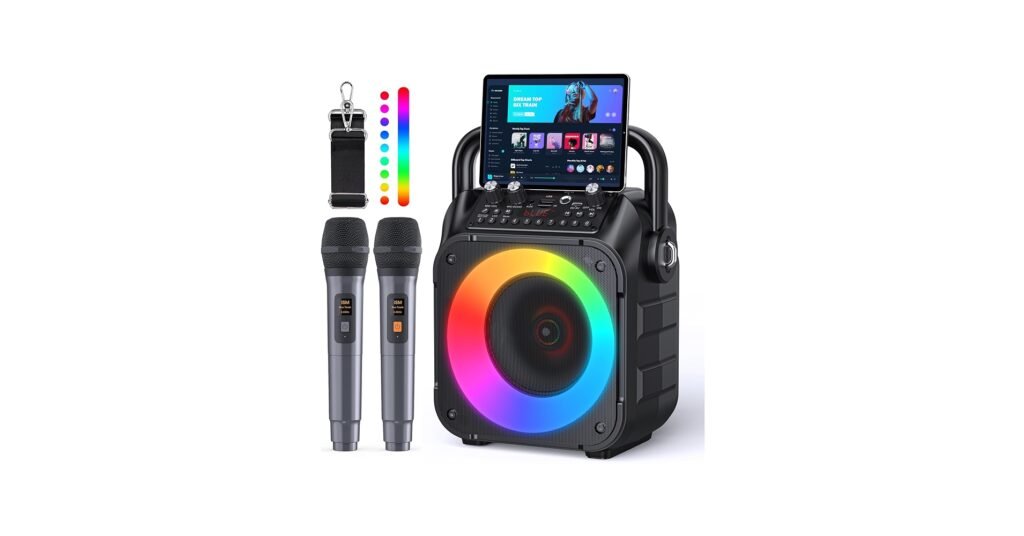
- Mid-range ($100-150): Karaoke speaker + dual wireless mics, connects to your TV via Bluetooth. Good sound, real party feel.
- Break-even: Two uses and you’ve beaten rental pricing. Most buyers use theirs 5-10 times.
- Song source: YouTube has an essentially infinite karaoke library — search “[song] karaoke” and you’re set. Free.
Option 3: The Phone + Speaker Method ($0)
For casual karaoke, you might already own everything:
- Connect your phone to a Bluetooth speaker (or your TV).
- Open YouTube, search “[song title] karaoke version.”
- Display lyrics on the TV via screen mirroring or just read from the phone.
- Sing into a hairbrush like it’s 1995. (Or buy a $20 mic that plugs into your phone.)
Is it as good as a real system? No — no vocal effects, one “mic,” questionable audio. Is it free and fun? Absolutely. For a spontaneous night, this wins.
When Renting Actually Makes Sense
- Weddings and big events (50+ people) — you need pro sound, multiple mics, and reliability.
- Corporate/team events — someone else’s budget, zero personal hassle.
- You need a host/MC — some rentals include a karaoke jockey who runs the show.
- One-time milestone party where karaoke is the centerpiece and you want it flawless.
For a kid’s birthday, the buy option (or phone method) is plenty — see the 10-year-old party budget. For general party music beyond karaoke, keeping everyone dancing covers the playlist side.
The Takeaway
Renting a karaoke machine costs $100-300/night — but buying ($50-150) beats renting if you’ll sing more than once, and the phone-plus-speaker method ($0) handles casual nights free. Rent only for large events where pro gear matters. Whatever you choose, YouTube is your infinite free song library, and the history of karaoke proves one thing: the courage to sing badly in front of friends is the whole point.
Frequently Asked Questions
What songs are best for karaoke beginners?
Crowd-pleasers with simple melodies and talk-sing verses: “Sweet Caroline” (Neil Diamond), “Don’t Stop Believin'” (Journey), “Livin’ on a Prayer” (Bon Jovi), “Wannabe” (Spice Girls), “Mr. Brightside” (The Killers). The formula: everyone knows the chorus, the verses are more spoken than sung, and enthusiasm covers vocal sins. Avoid: vocally demanding songs (Whitney, Mariah — respect the craft), rap verses you don’t know cold, and slow songs that expose every wobble.
Do I need Wi-Fi for karaoke with YouTube?
For streaming, yes — and test it before the party. YouTube karaoke tracks stream fine on modest connections, but a buffering lyric screen mid-chorus kills the moment. Pro tip: if your Wi-Fi is shaky, use your phone’s hotspot or download karaoke videos offline with YouTube Premium beforehand. Alternatively, dedicated karaoke apps (Smule, KaraFun) offer offline modes with subscriptions. Always have a backup plan for the music source.
How do I sound better at karaoke?
Honest tips: hold the mic 2-3 inches from your mouth (not eating it, not across the room), sing with confidence even if you’re off-key (commitment beats accuracy for audience enjoyment), pick songs in your range (lower it a key if needed — pride is the enemy), and warm up with a group song before your solo. The reverb/echo effect on most karaoke systems is your friend — turn it up slightly. And remember: the audience wants you to succeed. They’re rooting for you, not judging.
Are karaoke bars cheaper than renting a machine?
Often, yes — private karaoke rooms (the Korean/Japanese noraebang style) run $30-60/hour for the room, split among friends. For a group of 8, two hours costs each person less than a cocktail. You get pro equipment, an enormous song library, food and drink service, and zero setup or cleanup. If your city has karaoke bars with private rooms, that’s usually the best value for groups — renting a machine only wins for at-home convenience or very large parties.
Can I do karaoke with zero equipment purchases?
Absolutely — the truly free setup: YouTube karaoke tracks on your TV (via a smart TV app, Chromecast, or an HDMI cable from a laptop), lyrics on the big screen, and singing along with no microphones at all. It’s glorified singalong, and for a casual living-room night it’s genuinely fun — the barrier to entry is zero, which means everyone participates instead of watching two brave souls. Level it up slightly with a $15 wired mic that plugs into your phone, or use two phones as mics via a free karaoke app. The expensive systems add polish (vocal effects, scoring, wireless mics), but the core karaoke experience — friends belting out songs badly together — needs nothing but a screen and a YouTube search. Some of the best karaoke nights I’ve been to ran entirely on a laptop and liquid courage. Start free; buy gear only if karaoke becomes a habit.