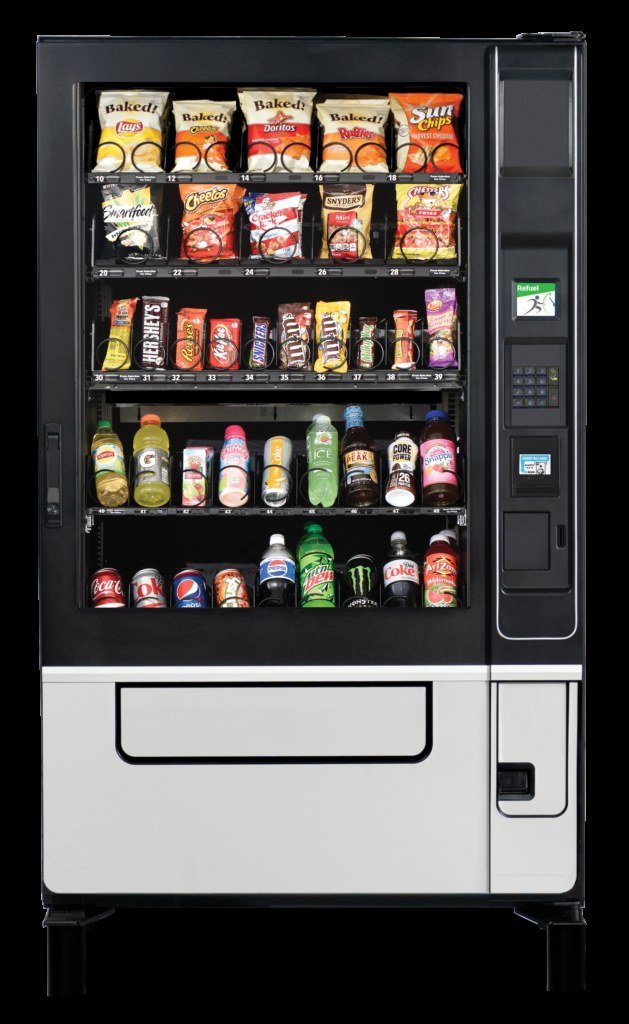
How much does a vending machine business cost to start
Vending machines: the business that makes money while you sleep. It’s a compelling pitch — passive income from boxes that sell snacks. And it’s not a scam. But the YouTube gurus skip the unsexy parts: location commissions, spoilage, vandalism, and the machines that earn $30 a month. So how much does a vending machine business cost to start — really, all-in?
How Much Does a Vending Machine Business Cost to Start? The Full Breakdown
The Machines
- New machines: $3,000–$10,000 each. Combo snack-and-drink machines run $4,000–$7,000. Built to last 10+ years, with warranties and modern card readers.
- Used/refurbished: $500–$3,000. The smart beginner move — but inspect thoroughly: test the compressor, bill validator, and coin mechanism. A $800 machine needing $600 in repairs isn’t a deal.
- Specialty machines: coffee, healthy snacks, PPE — $5,000–$15,000. Higher margins, narrower locations.
Everything Else (The Costs Gurus Forget)
- Initial inventory: $200–$400 per machine to stock it full.
- Card readers: $300–$400 per machine plus ~$10/month service and ~5–6% transaction fees. Non-negotiable in 2026 — cash-only machines earn roughly half of card-enabled ones.
- Location commissions: 0–25% of gross revenue paid to the property owner. Great locations charge; it’s worth it.
- Transport: you’ll need a truck, trailer, or van. Borrow or rent until you’re sure.
- Business setup: LLC ($50–$150), local permits, sales tax registration. Some cities require vending permits per machine.
- Insurance: $300–$600/year liability.
Realistic total for one machine, properly launched: $2,500–$8,000. Anyone telling you “$500 and you’re in business” is selling a course.
The Location Game (This IS the Business)
The machine is 20% of the business; the location is 80%. A $2,000 used machine in a busy warehouse break room outperforms a $8,000 new machine in a dead office hallway.
- Best locations: manufacturing plants, warehouses, hospitals, hotels, apartment complexes, auto shops — anywhere 30+ people gather daily with limited food options.
- How to get them: walk in, ask for the office manager, pitch simply: “Free vending service, I handle everything, you get a commission.” Expect 20 rejections per yes. This is a sales business.
- What to offer: 10–15% commission is standard; some locations just want the convenience.
- Red flags: locations that already churned through two vendors, managers who won’t sign a simple placement agreement, anywhere you can’t service weekly.
Revenue Reality Check
- Average machine: $200–$500/month gross. Good locations: $500–$1,000+. Elite locations (hospitals, big warehouses): $1,500+.
- Margins: product margins run 40–60%, but after commissions, card fees, spoilage, gas, and your time, net is 20–35%.
- Payback period: 12–24 months per machine is realistic. Anyone promising 6 months is optimistic at best.
- Scaling: the business works at 10+ machines on efficient routes. One machine is a hobby; ten is an income ($2,000–$4,000/month net for ~15 hrs/week).
Beginner Playbook
- Start with ONE used machine ($1,500–$2,500 all-in with card reader and stock).
- Secure the location BEFORE buying — the #1 beginner mistake is buying a machine with nowhere to put it.
- Track everything: sales per product per location. Kill slow sellers fast; spoilage is profit evaporating.
- Service weekly: empty machines and broken bill validators kill locations. Reliability keeps you placed.
- Reinvest: machine #1’s profits fund machine #2. Scale to 5 within year one if the model works for you.
Financing options if you’re short on capital: our guide to getting a business loan with no credit history covers realistic paths, and the SBA backs microloans that fit this exact use case.
Vending Machine Business: Frequently Asked Questions
How do I find a location for my first machine?
Walk into local businesses and ask — manufacturing plants, warehouses, auto shops, and apartment complexes are gold. Ask for the office manager and pitch simply: free vending service, you handle everything, they get a commission or just the convenience. Expect 15–20 rejections per yes. Secure the location in writing before buying the machine — a signed placement agreement, even a simple one-pager, prevents “we changed our minds” disasters.
Should I buy a new or used machine?
Used, for your first one. A refurbished machine at $1,000–$2,500 lets you learn the business without a $7,000 gamble. Inspect it powered on: test the bill validator with real bills, run the compressor, vend every selection. Buy from a vending distributor (not a random Craigslist seller) for your first machine — you’ll get honest condition reports and often a short warranty.
How often do I need to service and restock?
Weekly for active locations, biweekly for slow ones. Each visit: restock sold-out rows, collect cash, wipe down the machine, and check the card reader. A full route stop takes 20–40 minutes per machine. Reliability keeps locations — an empty machine or broken bill validator is how you lose a spot to a competitor.
What are the biggest risks nobody talks about?
Vandalism and theft (choose locations wisely — indoor beats outdoor), spoilage (track expiration dates ruthlessly; stale product is pure loss), location loss (businesses close or switch vendors — always be prospecting for the next spot), and your own time (driving routes eats hours; cluster machines geographically). None are fatal if you plan for them.
Is vending still viable with everyone paying by phone?
More viable than ever — if your machines take cards and mobile payments. Cash-only machines earn roughly half of card-enabled ones. Modern card readers ($300–$400 plus small monthly/transaction fees) pay for themselves within months. The operators struggling are the ones running 1990s cash-only boxes.
If you’re weighing vending against other product businesses, our comparison of selling on Amazon versus your own website covers the online alternatives with their own trade-offs.
The Bottom Line on Vending Machine Startup Costs
How much does a vending machine business cost to start? $2,500–$8,000 for your first machine done right (used machine, card reader, inventory, legal setup) — and the honest path to income is 5–10 machines on solid locations earning $200–$1,000+ each per month. It’s a real business, not passive income: you’ll drive routes, clear jammed coils, and hustle for locations. But for a mechanically handy salesperson who doesn’t mind rejection, it’s one of the most accessible brick-and-mortar businesses left. Secure the location first, buy the machine second.
Pingback: How do I get a business loan with no credit history