Plan Your Whole Week in 30 Minutes on Sunday Night
Plan Your Whole Week in 30 Minutes on Sunday Night
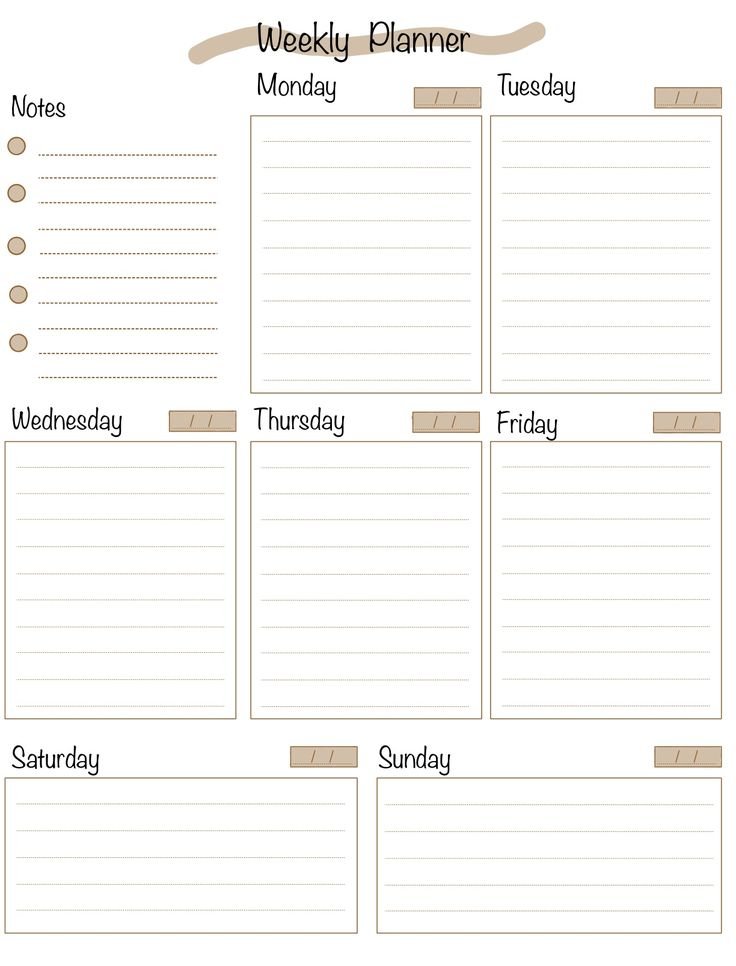
How do I plan my week on sunday night in thirty minutes? Good news: it’s more doable than it looks. Here’s what actually works.
I used to start Mondays by staring at my inbox in a panic, reacting to whatever screamed loudest. Then I started spending 30 minutes on Sunday nights planning the week. Monday-me went from firefighter to architect.
Here's the exact 5-step system. Set a timer — it's 30 minutes, not a second project.
Breaking it down
Minutes 0-5: Brain dump everything
Empty your head onto paper or a notes app: tasks, worries, errands, ideas, 'don't forgets.' Don't organize yet — just dump. Getting it out of your head and onto a list immediately reduces that Sunday-night anxiety hum. My dumps are gloriously messy; organization comes next.
Minutes 5-15: Calendar check and time-blocking
Review the week's calendar: meetings, appointments, deadlines. Then block time for your top 3 priorities — actual calendar blocks, not wishful thinking. If it doesn't have a time slot, it won't happen. I block deep work first, then fit smaller tasks around it. The calendar is honest in a way to-do lists aren't.
Related reading: Professional Poster Framing Costs in 2026 (By Size)
Minutes 15-25: Assign tasks to days
Take the brain dump and assign each item to a specific day — not 'this week,' a day. Be realistic: 3 big tasks per day max. Front-load the week; Friday-you will thank Monday-you. Anything that doesn't fit gets deliberately deferred, not guiltily ignored. A plan that admits limits beats a fantasy list.
Minutes 25-30: Prep Monday morning
Lay out the first action: open the right document, set out gym clothes, pack the bag. Monday's first 10 minutes determine the day's momentum — make them frictionless. I write my Monday top-3 on a sticky note and put it on my laptop. Future-me always appreciates it.
The secret sauce: the weekly review habit
The system compounds: each Sunday, spend 2 minutes noting what worked and what didn't. Adjust next week's plan accordingly. After a month, your plans get scary accurate — you learn your real capacity. My plans went from fantasy to reliable in about six weeks of this tiny review.
My honest take
The brain dump alone was worth it. I didn't realize how much mental RAM was spent just holding 'don't forget' items until I externalized them. Sunday nights went from anxious to calm in the first week — the plan was almost a bonus.
FAQs: How do I plan my week on sunday night in thirty minutes?
Here are the questions I hear most often about this topic:
What if my week is unpredictable?
Plan loosely: block priorities but leave 30-40% of each day unscheduled as buffer. The plan is a compass, not a cage — adjust daily in 5 minutes each morning.
Paper or digital planning?
Whichever you'll actually open Sunday night. I use a notes app for the dump and a paper sticky for Monday's top 3 — hybrid systems are fine.
What if I skip a Sunday?
Do a 10-minute Monday-morning version. Imperfect planning beats no planning; just don't skip two weeks in a row or the habit dies.
The bottom line
Brain dump, calendar blocks, assign-to-days, prep Monday, tiny weekly review. Thirty minutes on Sunday buys you a week that runs on intention instead of reaction. Your Monday mornings will never be the same.
For deeper background, check out NerdWallet's productivity guides — both are solid, reputable resources worth bookmarking.
More from Daily Magazine 24
- Professional Poster Framing Costs in 2026 (By Size)
- Learn Basic Car Maintenance the Easy Way (Beginner's Guide)
One more thing worth knowing
And if you take one mindset shift from all of this, let it be this: small, consistent beats big and occasional in every domain I've ever tested it. Ten minutes daily outperforms a monthly marathon. One habit at a time outperforms twelve resolutions. The tortoise doesn't just win the race — the tortoise is the only one still running in year two.
One more thing worth knowing
One thing I've noticed after years of tweaking my own routines: the best system is the one you'll actually maintain on your worst week, not your best one. Grand plans collapse under real life — kids get sick, work explodes, motivation evaporates. So whatever you take from this guide, shrink it down to the smallest version you could do exhausted on a Tuesday night. If that tiny version still helps, you've found your keeper. You can always scale up later; you can't scale up from quitting.
One more thing worth knowing
It's also worth saying: don't try to implement everything at once. Pick the one tip that resonated most and do just that for two weeks. I call it the 'one-thing rule,' and it's how I've built every lasting habit I have. Our brains rebel against overhauls but accept single tweaks gracefully. Two weeks from now, add tip number two. In three months you'll have transformed the whole area without ever feeling overwhelmed — slow change is the only change that sticks.
One more thing worth knowing
A quick word on perfectionism, because it derails more good intentions than laziness ever does. You don't need the perfect version of this — you need the done version. The slightly messy attempt beats the flawless plan that never leaves your head. I've seen people research the ideal approach for months while doing nothing; meanwhile the person who just started imperfectly is already reaping benefits. Start ugly, refine later.
One more thing worth knowing
If you live with other people, get them on board early — not with a lecture, but by making the new way easier than the old way. Systems that depend on everyone caring equally will fail; systems where the right choice is the lazy choice succeed. Put the thing where it belongs, remove friction from the good habit, add friction to the bad one. Design beats discipline, especially in shared spaces.