Pacific Coast Highway Road Trip: The Complete Planning Guide
Pacific Coast Highway Road Trip: The Complete Planning Guide
How do I plan a road trip along the pacific coast highway? I get asked this a lot, so let me give you the straight answer — no fluff.
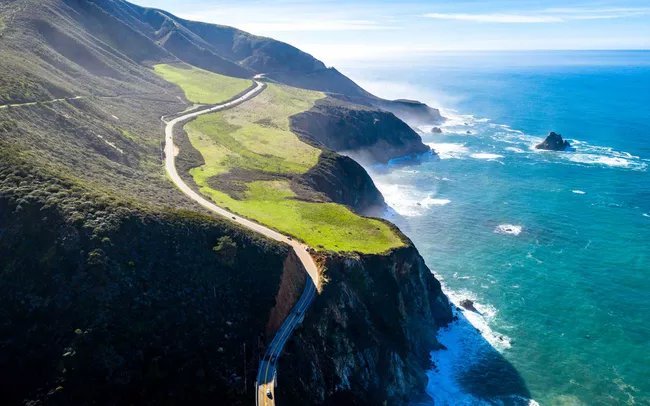
The Pacific Coast Highway — Highway 1 from San Francisco to Los Angeles — is the most beautiful drive in America. I did it in 2 days once (mistake) and in 5 days once (perfect). The difference wasn't the road; it was the planning.
Here's how to do it right.
The practical guide
Drive south: San Francisco to Los Angeles
Southbound puts you on the ocean side — unobstructed views, easy pullouts, no crossing traffic to stop at viewpoints. Northbound means the views are across the oncoming lane. This is the single most-repeated advice for the PCH because it's the most impactful. Start in SF, end in LA, thank me at Big Sur.
Take 3-5 days minimum — 2 is a drive-by
The route is ~450 miles but the speed limit is 55 and you'll want to stop constantly. Ideal: 4-5 days (SF → Monterey → Big Sur → San Simeon → Santa Barbara → LA). Rushing it turns America's best drive into a stressful commute. My 2-day version was a blur; the 5-day version is a core memory.
Related reading: TSA PreCheck for Twice-a-Year Flyers: Worth It? (2026)
The must-see stops (don't skip Big Sur)
Bixby Creek Bridge (the iconic photo), McWay Falls, Pfeiffer Beach's purple sand, Hearst Castle, elephant seals at Piedras Blancas, Monterey's Cannery Row, Santa Barbara's waterfront. Big Sur is the crown jewel — budget a full day for its 90 miles. Check road conditions before going: landslides periodically close sections (Caltrans updates are essential pre-trip reading).
Where to stay: book Big Sur early
Big Sur lodging is limited and pricey — book months ahead, or stay in Monterey/Cambria and day-trip it. Mix it up: one splurge night (Post Ranch Inn if you're feeling flush), plus charming motels in Cambria, Morro Bay, and Santa Barbara. Camping is available but books out fast in summer. My favorite night: a $180 Cambria inn with an ocean-view hot tub.
Timing, fuel, and practical notes
Best months: September-October (clearest skies, warmest water, fewer crowds). Avoid summer weekends if possible. Gas up whenever you see a station in Big Sur — stretches are long and prices are brutal ($7+/gallon). Download offline maps; cell service dies in Big Sur. And pack layers — coastal weather swings 30 degrees in a day.
My honest take
Pulling over at McWay Falls at golden hour, after a slow day of Big Sur wandering, is the single most beautiful roadside moment of my life. We almost skipped it to 'make time.' The PCH punishes rushing and rewards lingering — plan accordingly.
FAQs: How do I plan a road trip along the pacific coast highway?
Here are the questions I hear most often about this topic:
How long does the PCH drive take?
Driving time is 9-10 hours nonstop, but plan 3-5 days with stops. Rushing it misses the point — the stops ARE the trip.
Is the Pacific Coast Highway dangerous?
It's winding with cliff edges, but well-maintained and safe at the speed limit. Drive in daylight, don't rush, and pull over for faster traffic. Nervous drivers should go southbound (ocean side feels safer with the mountain on your right).
Can I do the PCH in an EV?
Yes with planning — chargers exist in Monterey, Cambria, Morro Bay, and Santa Barbara, but Big Sur itself has almost none. Charge fully before the Big Sur stretch and you'll be fine.
The bottom line
Drive south, take 4-5 days, linger in Big Sur, book lodging early, and go in fall if you can. The Pacific Coast Highway isn't a route — it's a destination. Give it the time it deserves.
For deeper background, check out Wikipedia's Pacific Coast Highway overview and AAA's road trip planners — both are solid, reputable resources worth bookmarking.
More from Daily Magazine 24
- TSA PreCheck for Twice-a-Year Flyers: Worth It? (2026)
- First Cruise? 15 Things to Know Before You Board (2026)
One more thing worth knowing
A quick word on travel insurance, since it comes up constantly: for cheap, flexible domestic trips you can usually skip it, but for expensive or complicated itineraries it's the cheapest peace of mind in travel — typically 4-8% of trip cost. Check your credit card benefits first; many premium cards already include solid trip protection. Don't double-pay for coverage you already have.
One more thing worth knowing
Packing philosophy that changed my travel life: lay out everything you plan to bring, then remove a third. Almost everyone overpacks by 30-40%, and every extra item is weight you carry through airports, up stairs, and into taxis. The things you truly need on a trip fit in less space than you think — and anything you forget can usually be bought at your destination, often cheaper and as a fun souvenir.
One more thing worth knowing
Money tip that applies everywhere: notify your bank of travel dates, carry two different cards (kept separately), and keep some emergency cash hidden apart from your wallet. Card blocks from 'suspicious foreign activity' have derailed more trips than pickpockets have. A five-minute call or app notification before departure prevents the dreaded declined-card moment abroad.
One more thing worth knowing
Finally, build buffer into your itinerary — the unplanned half-day, the slower morning, the margin around connections. Rushed travel is stressed travel, and the buffer is where the magic happens: the long lunch that becomes a memory, the wrong turn that finds the viewpoint. Some of my best travel stories come from the gaps in the plan, not the plan itself.
One more thing worth knowing
One more thing: document as you go, lightly. A few notes each evening — where you ate, what surprised you, what you'd do differently — takes five minutes and becomes priceless later. Photos capture sights; notes capture feelings. Future-you, planning the next trip or just reminiscing, will be grateful for the specifics your memory will absolutely lose.