How to Stop Late-Night Snacking (Without White-Knuckling It)
How to Stop Late-Night Snacking (Without White-Knuckling It)
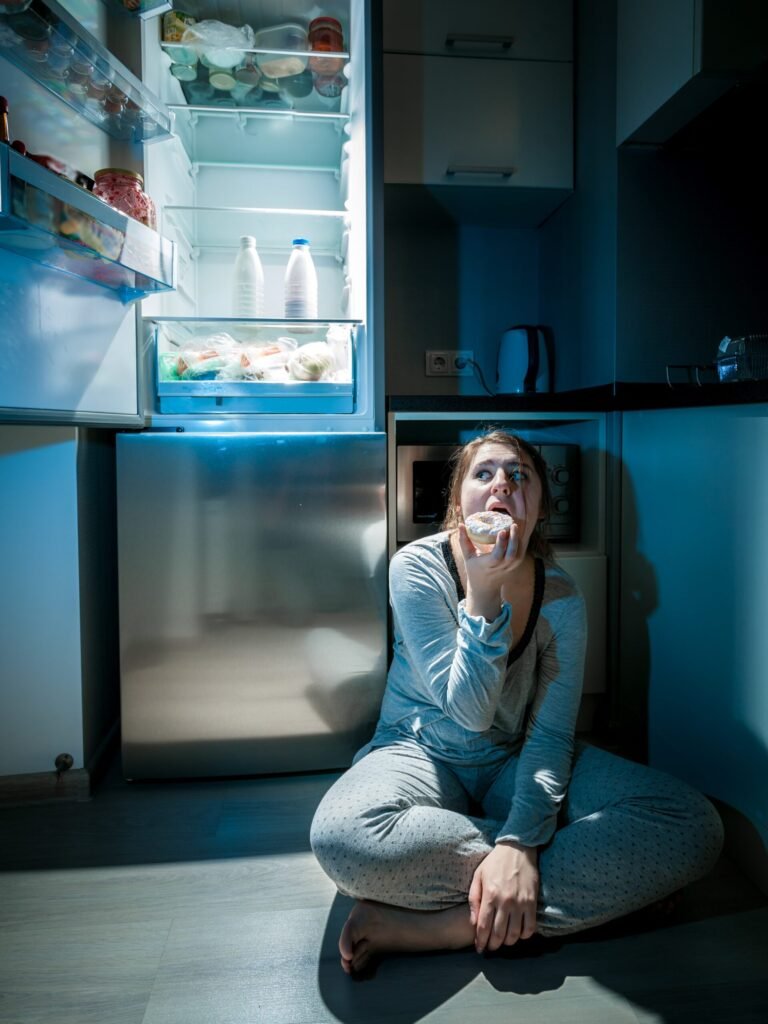
It’s 10:30 p.m. You’re not hungry — dinner was two hours ago — but here you are, standing in front of the open fridge like it owes you money. Late-night snacking is one of the most common eating habits people want to break, and one of the hardest, because willpower is at its weakest exactly when the craving is strongest.
I battled the midnight kitchen raids for years. What finally worked wasn’t discipline — it was understanding why it happens and redesigning my evenings so the snacking never gets a foothold. Here’s the playbook.
Why Your Brain Wants Snacks at Night
Three forces converge after dark. First, decision fatigue: you’ve made hundreds of choices all day, and by evening your self-control is genuinely depleted — research on ego depletion is debated, but nobody disputes that resisting temptation is harder at 10 p.m. than at 10 a.m. Second, habit: if you’ve snacked watching TV for years, the couch itself is a cue. Your brain starts expecting food the moment the show starts.
Third, and most fixable: under-eating during the day. Skimp on breakfast, grab a light lunch, and by evening your body is legitimately under-fueled — the ‘snacking’ is actually delayed hunger. People who eat satisfying meals during the day report dramatically fewer nighttime cravings. If your late-night hunger feels physical — stomach growling, not just ‘wanting something’ — you probably need bigger daytime meals, not more willpower.
Emotions pile on too. Boredom, stress, loneliness — the evening is when the day’s feelings surface, and food is the fastest comfort available. Naming the actual feeling (‘I’m not hungry, I’m wound up from work’) breaks the autopilot about half the time.
How Can I Stop Snacking Late at Night? Fix Dinner First
The single highest-leverage change: eat enough at dinner, including protein and fiber. A dinner that leaves you comfortably full — not stuffed — eliminates the physical hunger driver. Aim for a palm-and-a-half of protein, plenty of vegetables, and some satisfying fat or whole grains. The sad desk salad at 6 p.m. followed by chips at 10 p.m. is one meal split in two; just eat the real meal.
Timing matters too. Eating dinner very early (5:30) and staying up until midnight creates a six-hour gap your body reads as ‘time to eat again.’ Shifting dinner later, or planning a small planned evening snack (more below), closes the gap honestly instead of fighting it.
And watch the alcohol. A glass or two of wine reliably increases late-night snacking — it lowers inhibition and stimulates appetite. If your worst snacking nights follow drinking nights, that’s not a coincidence. The Sleep Foundation on late-night eating notes alcohol’s effect on food intake, and my own kitchen-raids calendar matched my wine calendar almost exactly.
Redesign the Evening, Don't Just Resist It
Willpower fails; environment wins. Stop keeping your trigger foods in the house — you can’t eat the ice cream that isn’t there, and nobody drives to the store at 11 p.m. for kale. This isn’t about banning foods forever; it’s about not storing your kryptonite within arm’s reach during your weakest hours.
Break the cue-routine loop. If TV triggers snacking, change the routine attached to TV: herbal tea in a specific mug, a puzzle, stretching on the floor, or brushing your teeth right when you sit down. The first week feels weird; by week three the new routine is the default.
Keep your hands and mouth busy. Sparkling water with lime, sugar-free gum, or a warm drink gives the ‘oral’ part of snacking something to do. And go to bed earlier — every hour you’re awake past tiredness is another hour of snacking opportunity. ‘Nothing good happens in the kitchen after 10 p.m.’ is a joke with real data behind it.
When a Planned Snack Beats a Ban
Here’s the counterintuitive part: for some people, a small planned evening snack works better than a ban. The ban creates a forbidden-fruit effect — one slip becomes a binge (‘well, I already ruined it’). A planned 150–200 calorie snack you actually enjoy removes the rebellion dynamic entirely.
Good planned options: Greek yogurt with berries, an apple with peanut butter, a small bowl of popcorn, cottage cheese with cinnamon, or a piece of dark chocolate with almonds. Protein-plus-fiber combos satisfy longest. Eat it mindfully — portioned into a bowl, sitting down, not straight from the bag while scrolling.
Set a kitchen ‘closing time’ and make it a ritual: clean up, brush teeth, lights off. The toothpaste trick genuinely works — mint makes food taste bad and signals ‘eating is done’ to your brain. Pair it with a consistent bedtime and you’ve removed both the opportunity and the cue in one move.
When You Slip: The No-Shame Recovery Protocol
You will slip. Everyone does — the research on habit change is clear that lapses are part of the process, not evidence of failure. What separates people who ultimately succeed from those who don’t isn’t willpower; it’s the response to the lapse. The shame spiral (‘I already ruined it, might as well keep going’) causes more damage than the original snack ever did.
The protocol: acknowledge it neutrally (‘I ate the ice cream’), skip the moral judgment (food isn’t moral), and resume the plan at the very next decision point — not tomorrow, not Monday, the next meal or the next evening. One lapse is a data point; the spiral is what turns it into a pattern. Ask what triggered it with curiosity, not criticism: were you under-fed at dinner? Stressed? Just habitual? Adjust that lever.
Track lapses like a scientist, not a judge. A simple note — date, time, trigger, what helped — reveals patterns within weeks. ‘Every slip follows a skipped lunch’ is actionable; ‘I’m just weak’ is not. Self-compassion isn’t softness here — it’s strategy. The people who treat themselves kindly after lapses quit the cycle faster than the self-punishers, consistently.
The Takeaway
Eat enough during the day, redesign your evenings instead of relying on willpower, and consider a small planned snack rather than a doomed ban. Environment beats discipline every time.
Start tonight: brush your teeth after dinner and notice how much weaker the craving feels. Small friction, big result.