How to Pack Snacks for a Long Road Trip With Kids
How to Pack Snacks for a Long Road Trip With Kids
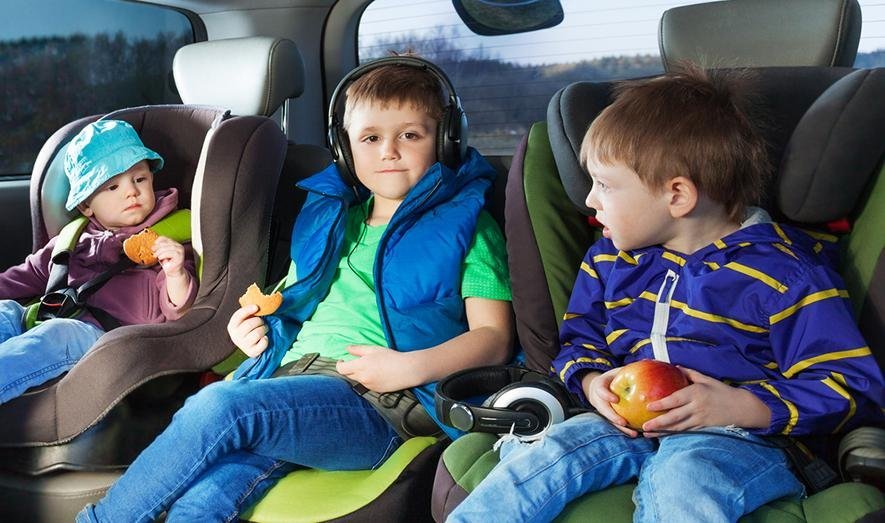
Every parent who’s survived a long drive knows the truth: snacks aren’t optional, they’re load-bearing infrastructure. A well-stocked snack bag is the difference between a pleasant road trip and a backseat meltdown at mile 200. I’ve done the 12-hour drives, and the snack strategy matters as much as the route.
The goal is simple — keep kids fed, hydrated, and entertained without turning your car into a crumb-covered disaster zone. Here’s the system that actually works.
Build the Snack Kit Before You Pack a Single Snack
Start with the containers, because packaging is everything. Get a small soft-sided cooler for cold items (string cheese, yogurt tubes, fruit), a divided tackle-box-style container or bento box for dry snacks, and a spill-proof water bottle per kid — not juice boxes, which explode. Add a roll of paper towels, a pack of baby wipes, and a small trash bag. This kit lives between the car seats and gets restocked at gas stops.
Portion everything into individual servings before you leave. A giant bag of pretzels becomes a backseat landslide; a dozen small bags or cups stay manageable. I portion into reusable silicone bags or small containers the night before — it takes twenty minutes and saves endless “he got more than me” negotiations. Label each kid’s bento box with their name if yours are the competitive type.
Choose Snacks That Travel Well and Don’t Destroy the Car
The best road trip snacks hit three criteria: no refrigeration needed (or cooler-friendly), minimal crumbs and stickiness, and slow to eat. Winners include apple slices with the skin on, bananas, grapes, cheese sticks, dry cereal in cups, pretzel sticks, granola bars, popcorn in individual bags, and pouches of applesauce or yogurt. Protein and fiber keep kids full longer — pair carbs with cheese, peanut butter packets, or turkey roll-ups.
Avoid anything that melts, crumbles explosively, or stains: chocolate in summer, powdered donuts, bright-red candy, and open cups of anything. Save the messy treats for rest stops. And here’s a parent hack — freeze a few yogurt tubes or juice pouches the night before. They double as ice packs in the cooler and thaw into cold snacks by mid-morning.
Use Snacks as Entertainment, Not Just Fuel
Here’s where snack packing becomes a parenting strategy: meter the snacks out over the drive instead of handing over the whole stash at once. Announce a new “snack o’clock” every 60 to 90 minutes — it breaks the drive into manageable chunks and gives kids something to look forward to. A surprise snack (“guess what’s in the mystery bag!”) can buy you a solid half hour of good mood.
Pair snacks with activities for maximum effect. Lollipops or chewy snacks during a boring highway stretch, a special treat when you hit a state line, and a rest-stop picnic with sandwiches halfway through. Some parents make a snack necklace or a muffin tin with six different treats for a “tasting menu” — it takes ten minutes to prep and genuinely entertains toddlers. The snacks aren’t just food; they’re your timeline.
Road Trip Snack Packing List
Print this and pack the night before you leave:
- Soft-sided cooler with ice packs for cheese, yogurt, and fruit.
- Divided bento or tackle box with each kid’s dry snacks portioned out.
- Spill-proof water bottles — one per kid, filled before departure.
- Protein pairings: cheese sticks, peanut butter packets, turkey roll-ups.
- Slow-to-eat options: pretzel sticks, dry cereal cups, popcorn bags.
- Frozen yogurt tubes that double as ice packs and thaw by mid-morning.
- Paper towels, baby wipes, and a small trash bag within arm’s reach.
- A few surprise treats saved for the toughest stretch of the drive.
The Bottom Line
Packing snacks for a road trip with kids comes down to three things: portion everything in advance, choose low-mess foods that take a while to eat, and meter them out on a schedule. The cooler, the bento boxes, and the wipes are non-negotiable.
Do the prep the night before and the drive mostly takes care of itself. Kids who are fed, hydrated, and getting a new snack every hour are kids who aren’t asking “are we there yet” every six minutes. Mostly.
Handling Dietary Needs and Picky Eaters on the Road
Allergies and dietary restrictions turn snack packing from convenience into necessity. For nut allergies, build the kit around seeds instead — sunflower seed butter packets, roasted pumpkin seeds, and seed-based granola bars replace the peanut staples one-for-one. For gluten-free kids, rice cakes, popcorn, cheese, fruit, and certified GF bars travel just as well. Label everything clearly if multiple kids share the cooler, and keep allergy-safe snacks in a separate marked bag so there’s no cross-contact confusion at 70 mph.
Picky eaters need a different strategy: pack 2-3 guaranteed winners plus one low-pressure new option per day. The car is actually a great place to introduce new foods — there’s no audience, no dinner-table standoff, just a casual ‘want to try one?’ with zero pressure. I’ve seen kids try (and like) roasted seaweed, hummus cups, and dried mango on road trips when they’d have refused at home. Keep portions of new things tiny so rejection costs nothing.
For babies and toddlers, pack more than you think you need — they eat unpredictably and messily. Pouches are the road-trip MVP for under-threes: self-contained, minimal spill risk, decent nutrition. Bring twice the wipes you think necessary and a change of clothes accessible (not buried in the trunk). And time bigger snacks around planned stops; letting a toddler eat something substantial while running around at a rest area beats trying to contain the chaos in a car seat.
Quick Answers
How do I keep snacks cold all day?
Freeze water bottles to use as ice packs — they keep the cooler cold and become drinking water as they melt. A quality soft cooler holds temperature 6-8 hours.
What are the least-messy snacks for toddlers?
Pouches, dry cereal in snack cups with lids, banana, and cheese sticks. Avoid anything crumbly, sticky, or stain-prone.
Should I pack meals or just snacks?
For drives over 6 hours, pack one real meal (sandwiches, wraps) plus snacks. Plan it for a rest stop where kids can move around while eating.
A word on the cooler itself, since it makes or breaks the system: the cheap soft cooler from the drugstore loses its chill in 3 hours, but a quality insulated soft cooler ($30-$40) holds temperature 8+ hours with frozen bottles inside. Pre-chill it the night before (stick it in the freezer empty, or fill with ice for an hour then dump) — a warm cooler wastes the first hours of ice melting just to cool itself. And pack strategically: coldest items on the bottom, frequently-grabbed items on top, and keep it closed — every opening dumps the cold air. A well-packed quality cooler keeps yogurt tubes frozen-solid until noon on a summer drive.
Further reading: USDA food safety tips for traveling with food, the National Highway Traffic Safety Administration’s road trip safety tips.