How to Strengthen Your Immune System Before Flu Season
How to Strengthen Your Immune System Before Flu Season
Every fall, the same panic sets in: flu season is coming, and suddenly everyone wants an immune ‘boost.’ The supplement aisle gets very persuasive. But here’s the uncomfortable truth — there’s no shortcut that supercharges immunity in a week. What works is boring, gradual, and free.
I’ve stopped falling for the emergency elderberry runs. Instead, I start a few simple habits in early fall, and I genuinely get sick less often than I used to. Here’s what actually moves the needle, according to immunologists rather than advertisers.
Sleep: The Immune Habit Nobody Wants to Hear About
If you do one thing, sleep more. Study after study shows short sleep hammers immune function — one famous Carnegie Mellon study found people sleeping under six hours were over four times more likely to catch a cold when exposed to the virus. Your immune system does critical maintenance work during deep sleep, including producing infection-fighting cytokines.
Aim for seven to nine hours, and start the wind-down earlier than you think you need to. The two weeks before flu season ramps up (usually October-November in the US) are the time to fix your schedule, not mid-December when everyone’s already coughing. Keep the room cool and dark, and put the phone across the room — the scroll hole is a sleep killer with immune consequences.
I know ‘sleep more’ is annoying advice. But among all immune strategies, it’s the one with the strongest evidence and the one most of us actively sabotage. Everything below works better on top of adequate sleep and noticeably worse without it.
How Can I Boost My Immune System Before Flu Season? The Big Four
Beyond sleep, four habits carry the real weight. First, get the flu shot — it’s the single most effective thing on this list, cutting your risk substantially in most years, and it takes ten minutes at any pharmacy. Second, move regularly: moderate exercise like brisk walking most days is linked to fewer respiratory infections; marathon-level exertion temporarily dips immunity, so keep it moderate during peak season.
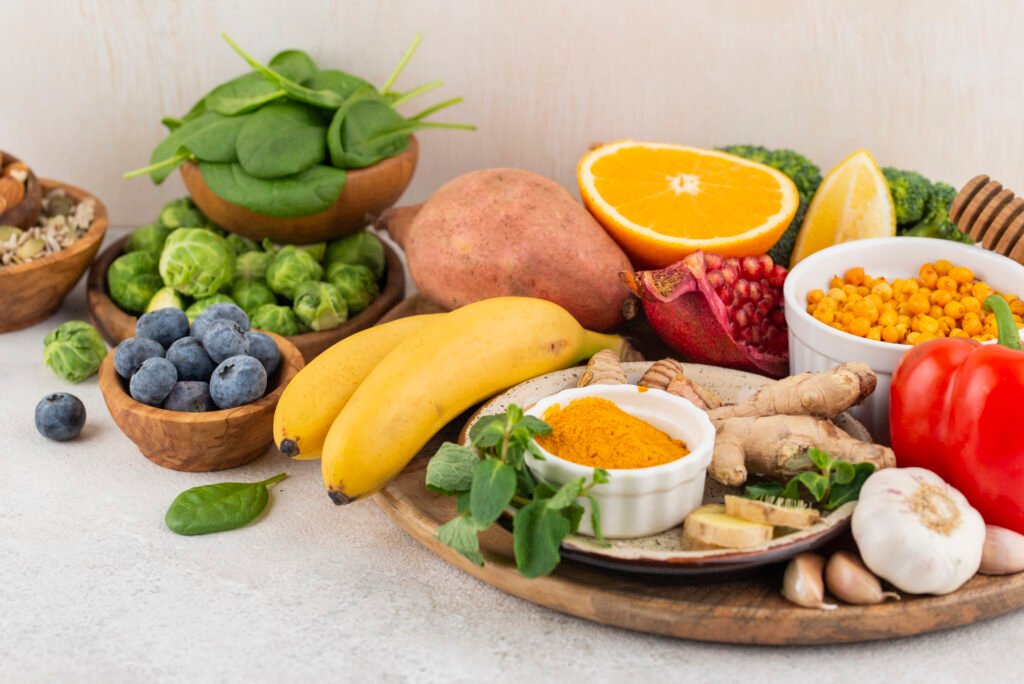
Third, eat like your immune system is watching — because it is. Colorful fruits and vegetables, adequate protein, and fermented foods like yogurt or kimchi support gut health, where a huge share of immune tissue lives. You don’t need a perfect diet; you need consistent basics. Fourth, manage stress deliberately. Chronic stress raises cortisol, which suppresses immune responses over time. A daily walk, ten minutes of quiet, or even regular phone calls with friends all count — social connection itself is linked to better immune markers.
The CDC's seasonal flu hub publishes weekly flu activity maps each fall, which is genuinely useful: when activity turns red in your state, that’s your cue to be extra careful about handwashing and crowds.
Supplements: What Helps, What's Hype
Let’s be blunt: most ‘immune boost’ supplements have thin evidence. Vitamin C won’t prevent colds for most people (though it may shorten them slightly). Echinacea and elderberry have mixed, low-quality studies. Airborne-style megadose cocktails are marketing with a lab coat.
Two exceptions worth knowing. Vitamin D: deficiency is common, especially in northern states in winter, and correcting a true deficiency supports immune function — ask your doctor for a blood test rather than guessing. Zinc lozenges: there’s reasonable evidence they can shorten colds if started within 24 hours of symptoms, though they taste awful and can cause nausea.
Probiotics are a maybe — some strains show modest benefit for respiratory infections, but the research is strain-specific and most products don’t match the studied strains. Save your money unless a clinician recommends a specific one. And skip anything promising to ‘boost’ immunity dramatically; a truly ‘boosted’ immune system is called an autoimmune disease. You want balanced, not boosted.
The Unsexy Basics That Actually Prevent Illness
Handwashing remains one of the most effective interventions ever studied — twenty seconds with soap, especially after transit, shopping, and before eating. Hand sanitizer works when soap isn’t available. Stop touching your face; the average person does it dozens of times an hour, delivering viruses straight to entry points.
Ventilation matters more than most people realize. Cracking a window, running a HEPA purifier, or just meeting friends outdoors instead of in a packed bar meaningfully cuts transmission. And stay home when you’re sick — the single most considerate and effective move, protecting everyone else’s immune systems too.
Keep a small kit ready before you need it: thermometer, honey for coughs (not for kids under one), saline spray, a few COVID/flu tests, and your doctor’s after-hours number. Being prepared means faster action when symptoms hit, which genuinely shortens misery. For guidance on whether to exercise through a mild cold, see our article on CDC's guide to preventing the flu.
Travel Season: Planes, Hotels, and Handshakes
Flu season coincides with holiday travel — the exact combination that spreads viruses efficiently. Airplane air isn’t the villain people think (HEPA filters clean cabin air well); the real risks are the surfaces (tray tables, armrests — wipe them down) and the close quarters with coughing neighbors. A window seat modestly reduces contacts versus aisle. Stay hydrated — cabin air is brutally dry, and dry mucous membranes defend worse.
Hand hygiene becomes your travel superpower: sanitizer after security lines, before eating, after touching shared surfaces. Keep your hands off your face — the average person touches it 20+ times an hour, and breaking that habit during travel weeks pays outsized dividends. Pack a small kit: sanitizer, disinfectant wipes, saline nasal spray (keeps mucous membranes moist and defensive), and lip balm.
Sleep discipline collapses during travel, which is exactly when you need it most. Protect it aggressively: eye mask, earplugs, and consistent bedtimes even across time zones. One all-nighter tanks immune defenses measurably — and arriving at a family holiday already depleted is how the whole gathering gets sick sequentially.
The Takeaway
Flu shot, seven-plus hours of sleep, daily movement, real food, washed hands. That’s the whole immune plan — no $60 supplement stack required.
Start in September or October, before the wave hits. Your immune system is built by habits, not purchased in a panic the week everyone at the office starts coughing.