
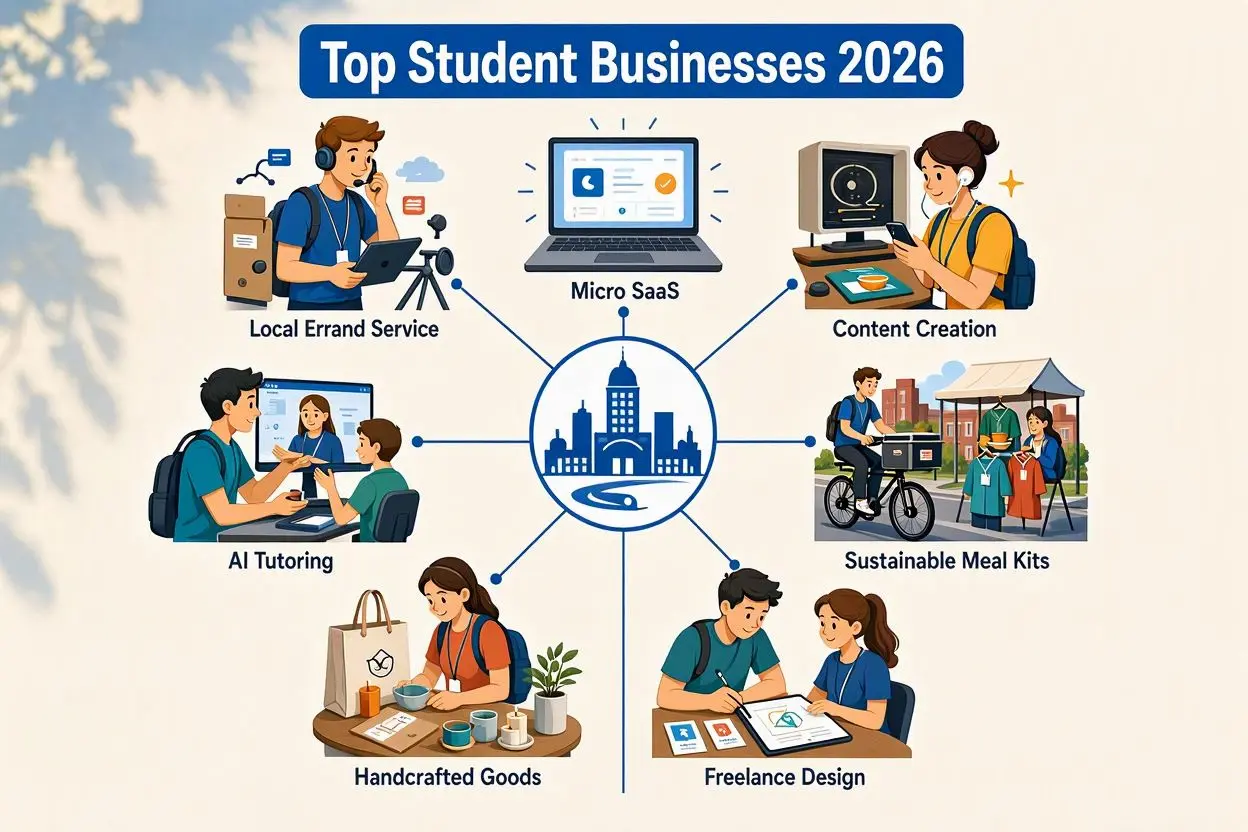
Starting a business as a student is a great way to earn money, learn new skills, and become financially independent. In 2026, students have more opportunities than ever to start a small business with little money. Many businesses can be started online, making them suitable for students with busy schedules.
The best small business ideas for students in 2026 are those that require low investment, offer flexible working hours, and can grow over time. From online tutoring to freelance writing, there are many ways to make money while studying.
In this article, we will explore the best small business ideas for students, including online business ideas, part-time business opportunities, and businesses that require little or no investment.
1. Freelance Writing
Freelance writing is one of the best small business ideas for students who enjoy writing. Many businesses, blogs, and websites need writers to create articles, website content, product descriptions, and social media posts.
Students with good writing skills can start offering their services online. You do not need an office or expensive equipment. A computer, an internet connection, and basic writing skills are enough to get started.
How to start:
- Choose a writing niche, such as technology, fashion, business, or travel.
- Create a few writing samples.
- Build a simple portfolio.
- Find clients through freelance platforms or direct outreach.
Freelance writing is a flexible business that allows students to work around their class schedules.
2. Online Tutoring
Online tutoring is another excellent business idea for students. If you are good at mathematics, science, English, or another subject, you can teach other students and earn money.
You can provide lessons through video calls or teach students in your local area. You may also offer group classes to help more students at once.
How to start:
- Select a subject you understand well.
- Decide which age group you want to teach.
- Set affordable lesson prices.
- Advertise your services in local groups and among classmates.
Online tutoring requires very little investment and can become a regular source of income.
3. Social Media Management
Many small businesses want to grow on social media but do not have enough time to manage their accounts. Students who understand platforms such as Instagram, Facebook, and TikTok can offer social media management services.
Your work may include creating posts, writing captions, replying to comments, and planning content.
How to start:
- Learn the basics of social media marketing.
- Create sample posts using free design tools.
- Contact small businesses in your area.
- Offer a simple monthly content package.
This business is suitable for creative students who enjoy spending time on social media and want to turn that interest into a useful skill.
4. Graphic Design
Graphic design is a popular low-investment business for students. Businesses need attractive designs for logos, social media posts, flyers, banners, and advertisements.
Students can learn basic design skills using beginner-friendly tools and gradually move on to more advanced software.
How to start:
- Learn basic design principles.
- Practice creating logos and social media graphics.
- Build a portfolio of sample projects.
- Offer your services to local businesses and online clients.
Graphic design can be a good long-term business because you can increase your prices as your skills and experience improve.
5. Blogging
Blogging is a useful online business idea for students who enjoy writing about specific topics. You can start a blog about technology, education, health, fashion, travel, or personal finance.
A blog can earn money through advertising, affiliate marketing, sponsored posts, and other methods. However, building an audience takes time, and income is not guaranteed.
How to start:
- Choose a topic you understand.
- Buy a domain and arrange affordable hosting.
- Publish helpful, original articles.
- Learn basic search engine optimization (SEO).
- Promote your content through relevant channels.
Blogging is better for students who can work consistently and are willing to wait before earning money.
6. Selling Digital Products
Selling digital products is one of the best online business ideas for students because you can create something once and sell it multiple times.
Examples include study planners, budget spreadsheets, printable worksheets, resume templates, and digital notes that you have created yourself.
How to start:
- Identify a problem students or professionals face.
- Create a useful digital product.
- Choose a platform that supports digital downloads.
- Promote your product through social media or a website.
Digital products usually have low production costs, although marketing, platform fees, and customer support still require effort.
7. Video Editing
Video editing is a valuable skill for students in 2026. YouTube creators, online educators, and businesses regularly need help editing videos for their audiences.
You can start with short videos, reels, promotional clips, or educational content.
How to start:
- Learn video editing using beginner-friendly software.
- Practice with your own footage or permitted sample clips.
- Create a portfolio showing different editing styles.
- Contact creators and small businesses.
Video editing can be done from home and offers flexible working hours. A capable computer or smartphone may be enough for simple projects.
8. Print-on-Demand Business
A print-on-demand business allows students to sell products such as T-shirts, mugs, tote bags, and posters without keeping inventory.
When a customer places an order, a third-party supplier prints and ships the product. The seller earns the difference between the selling price and the total costs.
How to start:
- Choose a specific audience or niche.
- Create original designs.
- Select a reliable print-on-demand supplier.
- Set up an online store.
- Promote your products.
This business can be started with limited inventory costs, but platform fees, marketing expenses, and competition should be considered.
9. Handmade Products Business
Students who enjoy crafts can turn their hobbies into a small business. Handmade products such as jewelry, candles, greeting cards, customized gifts, and home decorations can attract customers.
You can begin by selling to friends, family members, classmates, and people in your local community.
How to start:
- Choose one or two products to make.
- Calculate material and packaging costs.
- Take clear product photographs.
- Promote your products on social media.
- Offer customization when possible.
Starting with a small collection helps you understand customer demand before spending more money.
10. Reselling Products Online
Online reselling involves buying products at a reasonable price and selling them to customers for a profit. Students can consider clothing, books, accessories, stationery, and other products with local demand.
You can sell through online marketplaces, social media pages, or your own website.
How to start:
- Research products that people regularly buy.
- Compare suppliers and prices.
- Start with a small quantity.
- Take clear photographs and write accurate descriptions.
- Track your expenses and profit.
Before investing, consider delivery costs, returns, product quality, and the possibility of unsold stock.
11. Virtual Assistant Services
A virtual assistant helps businesses and professionals with everyday online tasks. These tasks may include managing emails, scheduling appointments, organizing documents, conducting basic research, and updating spreadsheets.
This is a good small business idea for organized students who have strong communication skills.
How to start:
- Learn basic office and productivity tools.
- Identify the services you can provide.
- Create a simple list of your skills.
- Find clients through professional networks and freelance platforms.
Virtual assistant work can be performed remotely, making it suitable for students who want to work from home.
12. Photography Business
Students who enjoy taking photographs can start a small photography business. Possible services include event photography, graduation pictures, product photography, and portraits.
You can begin with a smartphone that takes clear pictures or use a camera if you already own one.
How to start:
- Practice photography and basic editing.
- Create a portfolio of your best pictures.
- Offer services to friends and local businesses.
- Set prices based on the time and equipment required.
Photography can be a flexible part-time business, especially during weekends and holidays.
13. Selling Notes and Study Materials
Students often create useful notes, summaries, revision guides, and practice questions while preparing for exams. These materials can become digital products when they are original and properly prepared.
You can create organized study guides and sell them to students who need additional learning resources.
How to start:
- Choose a subject you know well.
- Create clear and accurate study materials.
- Use simple formatting and helpful examples.
- Sell through suitable platforms or educational communities.
Always respect copyright rules, school policies, and exam regulations. Do not sell leaked exam papers or materials you do not have permission to distribute.
14. Web Design Services
Web design is a useful business opportunity for students interested in technology. Many small businesses need websites to showcase their products, services, and contact information.
You can start by learning website builders or basic HTML, CSS, and other web development skills.
How to start:
- Learn how to build simple websites.
- Create two or three sample projects.
- Choose a type of client, such as local shops or service providers.
- Offer affordable website packages.
As your experience grows, you can provide additional services such as website maintenance, landing pages, and basic search engine optimization.
15. Affiliate Marketing
Affiliate marketing allows students to earn a commission by promoting products or services through special tracking links.
You can share useful product recommendations through a blog, website, YouTube channel, or social media account.
How to start:
- Choose a niche that interests you.
- Join a suitable affiliate program.
- Create helpful content about relevant products.
- Share affiliate links where permitted.
- Disclose affiliate relationships clearly.
Affiliate marketing does not require you to manufacture or ship products. However, building an audience and earning commissions can take time.
How to Choose the Right Business as a Student
Choosing the right business depends on your skills, budget, interests, and available time. A business that works well for one student may not be suitable for another.
Consider these important factors before starting.
1. Your Starting Budget
Choose a business that fits your financial situation. Freelancing, tutoring, and virtual assistant services can often be started with equipment you already have.
Businesses involving physical products may require money for supplies, packaging, or inventory.
2. Your Skills and Interests
Start with something you enjoy or already understand. If you like writing, consider blogging or freelance writing. If you are good at a school subject, online tutoring may be a suitable option.
Using your existing skills can reduce the time needed to get started.
3. Your Study Schedule
Your education should remain a priority. Choose a business that allows you to work during evenings, weekends, or free periods.
Avoid taking on more clients or orders than you can manage.
4. Customer Demand
Before spending money, find out whether people are willing to pay for your product or service.
Talk to potential customers, research competitors, and test your idea on a small scale.
5. Growth Opportunities
Think about whether your business can grow over time. For example, a freelance writer may eventually start a content agency, while a tutor may develop group classes or educational resources.
Start small and improve your business as you gain experience.
Best Small Business Ideas for Students With Low Investment
If you have a limited budget, service-based businesses are often easier to start because they do not require large amounts of inventory.
Here are some options to consider:
| Business Idea | Main Requirement | Investment Level |
|---|---|---|
| Freelance writing | Writing skills | Very low |
| Online tutoring | Subject knowledge | Very low |
| Virtual assistant | Organization and communication | Very low |
| Social media management | Content and marketing skills | Low |
| Graphic design | Design skills | Low |
| Blogging | Website and writing | Low to moderate |
| Handmade products | Materials and creativity | Low to moderate |
| Online reselling | Products and packaging | Moderate |
These investment levels are general estimates. Actual costs depend on your location, available equipment, software, and business model.
Tips for Running a Business While Studying
Running a business and attending classes can be challenging. Good planning can help you manage both responsibilities.
- Create a weekly schedule: Set specific hours for studying, classes, and business tasks.
- Start with one idea: Focus on one business before trying several at once.
- Keep costs low: Avoid spending money on tools or equipment you do not need.
- Build useful skills: Improve your communication, marketing, and financial management skills.
- Track your income: Record sales, expenses, and profits.
- Provide good customer service: Respond politely and deliver work on time.
- Protect your studies: Reduce your workload during exams and important academic periods.
Consistency is more important than trying to grow your business too quickly.
Final Thoughts
The best small business ideas for students in 2026 are those that match their skills, budget, and daily schedules. Freelance writing, online tutoring, graphic design, social media management, and virtual assistant services are practical starting points for students who want to earn money with limited investment.
Students who prefer long-term online opportunities can explore blogging, affiliate marketing, and digital products. Those who enjoy working with physical products may consider handmade items or online reselling.
You do not need a large investment or a perfect business plan to begin. Start with one simple idea, understand your customers, and improve your skills over time. With patience and consistent effort, a small student business can become a valuable source of income and experience.
Frequently Asked Questions (FAQs)
1. What are the best small business ideas for students in 2026?
Some of the best options include freelance writing, online tutoring, graphic design, social media management, virtual assistant services, blogging, and selling digital products. The right choice depends on your skills, budget, and available time.
2. Which business can a student start with no money?
Students can start with services such as tutoring, freelance writing, or virtual assistance if they already have access to the necessary equipment and internet connection. These businesses generally require more time and skills than upfront investment.
3. What is the easiest online business for students?
Online tutoring, freelance writing, and virtual assistant services can be relatively easy to start if you already have the required skills. However, finding customers and building a reliable income still takes effort.
4. How can students earn money while studying?
Students can earn money by offering freelance services, teaching online, selling digital products, managing social media accounts, or working on a small online store. Choosing flexible work helps them balance earning and studying.
5. Which business is best for students with a low budget?
Service-based businesses such as writing, tutoring, graphic design, and social media management are suitable for students with limited budgets. They often require fewer upfront expenses than businesses that involve buying inventory.
6. Can students start a business without experience?
Yes, students can start a small business without previous business experience. They should begin with a simple idea, learn the necessary skills, research customer demand, and start with a small project.
7. How many hours should a student spend on a business?
The number of hours depends on the student’s schedule, workload, and business type. Starting with a few hours per week can help students understand how much work they can manage without affecting their education.
8. Is blogging a good business for students in 2026?
Blogging can be a good long-term business for students who enjoy writing and creating helpful content. However, it may take months or longer to build traffic and generate income, and success is not guaranteed.
9. What skills should students learn before starting a business?
Useful skills include communication, writing, digital marketing, time management, budgeting, customer service, and problem-solving. The most important skills depend on the business a student chooses.
10. How can students find their first customers?
Students can start by contacting friends, family, local businesses, and relevant online communities. They can also create a portfolio, ask satisfied customers for referrals, and use freelance platforms where appropriate.



Leave a Reply