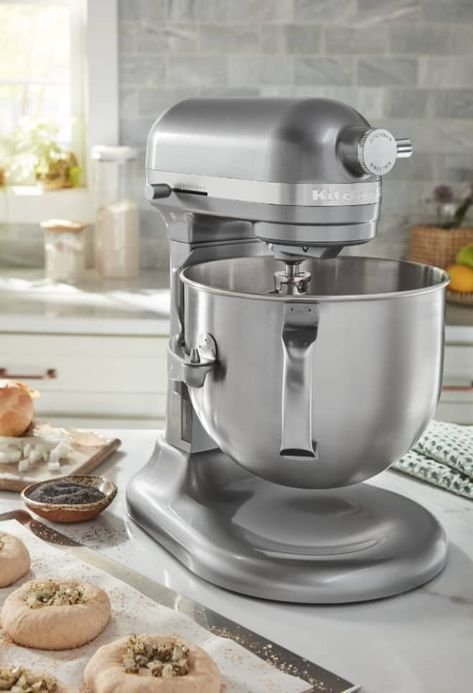
Is a Stand Mixer Worth It for Occasional Baking?
Is a Stand Mixer Worth It for Occasional Baking?
The stand mixer is the most aspirational kitchen appliance — gleaming on the counter, promising a baking life you may or may not live. At $200 to $500+, it’s a real investment. For someone who bakes “occasionally,” is it worth it or an expensive dust collector?
Here’s the honest framework for deciding.
When It’s Worth It
It’s worth it if your “occasional” baking includes the tasks stand mixers uniquely excel at: bread dough (kneading by hand is a workout; a mixer does it in 8 minutes), stiff cookie doughs, meringues and whipped cream (a mixer whips in 2 minutes what takes 10 by hand), and anything where hands-free mixing matters (adding ingredients gradually while it runs). If you make bread even monthly, the mixer earns its keep fast.
The math: a quality stand mixer ($250 to $400 for the standard models) lasts 15 to 30 years — they’re famously durable. Amortized over 20 years, that’s $15 a year. It also replaces several tools: with attachments it grinds meat, rolls pasta, and spiralizes vegetables (attachments run $40 to $150 each, so factor that in only if you’ll use them). And there’s the motivation factor — having the tool genuinely makes you bake more, which for many people is the point.
When It’s Not (and What to Buy Instead)
It’s not worth it if you bake a few times a year, mostly make box mixes or simple drop cookies (a $30 hand mixer handles these perfectly), have a tiny kitchen where a 25-pound appliance lives in a closet (out of sight = unused), or you’re on a tight budget with other kitchen gaps to fill first. Be honest about your real baking frequency, not your aspirational one.
The alternatives: a good hand mixer ($30 to $60) handles 80% of baking tasks — cakes, cookies, whipped cream, frostings. For bread specifically, no-knead recipes (the famous 4-ingredient method) produce excellent loaves with zero kneading and zero mixer. A $15 Danish dough whisk plus elbow grease handles occasional dough. Total alternative kit: under $75 versus $300+. If that covers your actual baking, the stand mixer is want, not need.
If You Buy: What to Get
Don’t overbuy: the standard 4.5 to 5-quart tilt-head model ($250 to $350 on sale — never pay full price; they go on deep sale every holiday) handles everything a home baker needs. The 6-quart bowl-lift professional models ($450 to $600) are for serious bread bakers doing double batches; overkill for most. Refurbished units from the manufacturer ($200ish) are an excellent value with full warranty.
Consider the used market too — stand mixers are tanks, and $100 used ones on marketplace listings often have decades of life left. Check that all speeds work and the head doesn’t wobble excessively. Whatever you buy, commit to the counter (or an appliance lift cabinet): a mixer you have to haul out gets used half as often. The best stand mixer is the one that’s plugged in and ready.
Stand Mixer Decision Guide
Buy it if:
- You make bread dough, meringues, or stiff doughs even occasionally.
- You bake monthly or more — frequency justifies it.
- You have counter or cabinet space to keep it accessible.
- You’ll keep it 15+ years (they last; amortized cost is tiny).
- Skip it if: you bake a few times yearly — a $40 hand mixer suffices.
- Best value: standard 4.5-5 qt on holiday sale, refurbished, or quality used.
- Never pay full price — deep sales happen every major holiday.
The Bottom Line
A stand mixer is worth it for occasional bakers who make bread, meringues, or bake monthly+ — the durability makes the amortized cost trivial. It’s not worth it for few-times-a-year bakers; a hand mixer and no-knead recipes cover that beautifully.
Match the tool to your real habits, buy on sale, and keep it accessible. The mixer you use is always worth it; the one in the closet never is.
Getting the Most From Your Mixer
If you take the plunge, maximize the investment. The attachments that earn their cost: the pasta roller set ($150 for 3-piece — fresh pasta at home is transformative and the attachment pays for itself versus buying fresh pasta), the food grinder ($60 — grind your own burger blends, make sausage, control exactly what goes in), and the vegetable sheet cutter or spiralizer ($40 — fun, genuinely useful for vegetable-forward cooking). The ice cream maker attachment ($80) is the crowd-pleaser — homemade ice cream in 20 minutes.
The attachments to skip initially: the grain mill (wonderful for enthusiasts, expensive and rarely used by most), the juicer (a $30 manual press does citrus better), and most single-purpose novelties. Buy attachments for cooking you already do, not cooking you aspire to — the pasta attachment for the family that eats pasta weekly, not the grain mill for the bread you’ll ‘definitely’ start making. Attachments bought aspirationally become expensive drawer filler.
Maintenance is simple but matters: never immerse the head in water (wipe clean), don’t overload dough capacity (the #1 mixer killer — respect the flour limits in your manual; stiff dough on high speed strips gears), and let the motor rest between heavy batches. A mixer treated well lasts 20-30 years; abused with double-batch stiff dough on speed 10, it dies young. The warranty (usually 1-5 years) is solid, but the real lifespan comes from respecting the machine’s limits.
Quick Answers
What size stand mixer should I buy?
4.5-5 quart tilt-head handles everything most home bakers need. Go 6-quart bowl-lift only for frequent double batches or heavy bread baking.
Are refurbished stand mixers worth it?
Yes — manufacturer-refurbished units (~$200) carry full warranties and are functionally new. Excellent value.
Can a stand mixer knead bread dough?
Absolutely — it’s one of its best uses. 8 minutes on speed 2 handles most doughs. Respect the flour capacity limits in your manual.
The no-mixer baking repertoire deserves appreciation — some of the best baking needs no mixer at all. No-knead bread (flour, water, salt, yeast, time — the famous recipe that revolutionized home bread), one-bowl brownies and blondies (melted butter + whisk), dump cakes, hand-pie doughs (pastry cutter or fingers), and meringues are genuinely achievable with a whisk and patience (a $10 balloon whisk plus 8 minutes of arm workout). Knowing these recipes clarifies the mixer decision: if your baking ambitions live in this list, the mixer is optional. If they live in enriched bread doughs, Swiss meringues, and laminated pastries, the mixer is essential. Match the tool to the actual recipes, not the fantasy ones.
Further reading: America’s Test Kitchen equipment reviews, the USDA on baking food safety.