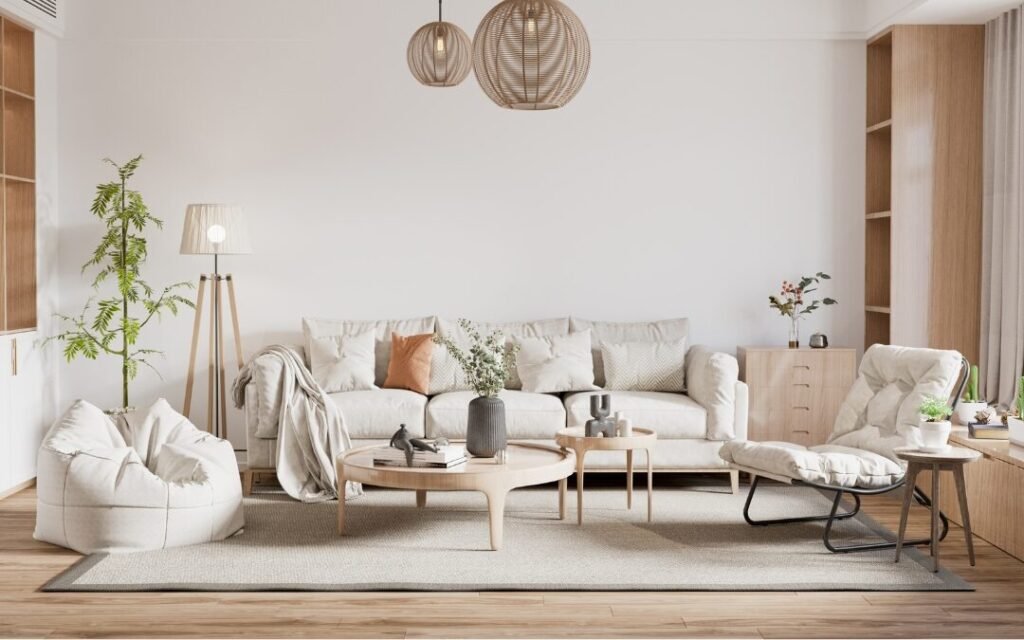
How to Stay Motivated to Keep Your Home Tidy (For Good)
How to Stay Motivated to Keep Your Home Tidy (For Good)
How can I stay motivated to keep my home tidy? Here’s the real deal, based on what actually works rather than what sounds good.
Every few months I'd get a burst of motivation, deep-clean the whole house, and feel amazing. Two weeks later, it looked like I'd never bothered. Motivation, I finally learned, is a terrible maintenance strategy.
What works instead: systems that don't require motivation. Here's the full playbook.
What really matters
Stop relying on motivation — build systems
Motivation is weather; systems are climate. The tidy people you admire aren't more disciplined — they have better defaults: everything has a home, one-in-one-out, nightly resets. Design your environment so tidiness is the path of least resistance. I stopped trying to 'feel like' tidying and started making it automatic — that's when it stuck.
The 10-minute nightly reset
Set a timer for 10 minutes before bed: dishes in dishwasher, cushions straightened, clutter to homes, trash out. It's not deep cleaning — it's preventing tomorrow's mess from compounding. This single habit does more for long-term tidiness than any weekend marathon. My house has stayed 'guest-ready' for a year on this alone.
Related reading: Learn Basic Car Maintenance the Easy Way (Beginner's Guide)
One-in-one-out: the clutter firewall
Every new item in requires one item out. New shirt? Donate one. New mug? One leaves. This rule single-handedly stops the slow accumulation that undoes every cleanout. It's the difference between periodic purges and permanent tidiness. Enforce it ruthlessly for 3 months until it's reflex.
Make tidying enjoyable, not virtuous
Pair tidying with something you like: favorite podcast, good music, an audiobook you only allow during chores. 'Temptation bundling' genuinely works — I look forward to reset time because it's when I listen to my show. If tidying feels like punishment, you'll avoid it; if it's paired with pleasure, you'll seek it.
Lower the bar: 'tidy enough' beats perfect
Perfectionism kills consistency. Aim for 'clear surfaces and nothing on the floor' — not magazine-ready. A lived-in tidy home you maintain beats a perfect home you abandon. I define success as: could a friend drop by without me panicking? That's the bar, and it's achievable daily.
My honest take
The nightly reset changed everything for me. I'd spent years doing exhausting weekend deep-cleans followed by gradual decay. Ten minutes a night — less time than scrolling before bed — keeps the house at a steady state. It's not exciting, which is exactly why it works.
FAQs: How can I stay motivated to keep my home tidy?
Here are the questions I hear most often about this topic:
How do I get my family on board?
Make systems easy (labeled bins, obvious homes for things) and specific ('shoes on the rack' beats 'clean up'). Praise compliance; model the behavior. Nagging backfires — good systems persuade.
What if I'm just not a tidy person?
You don't need to become one — you need 2-3 systems (nightly reset, one-in-one-out, homes for things) that run on autopilot. Identity is optional; process is mandatory.
How long until tidiness becomes habit?
The nightly reset typically feels automatic in 3-4 weeks. One-in-one-out takes 2-3 months to become reflex. Be patient — you're rewiring years of habits.
The bottom line
Systems over motivation: a 10-minute nightly reset, one-in-one-out, everything with a home, temptation bundling, and a 'tidy enough' bar. Stop waiting to feel like tidying — build the machine that tidies without feelings.
For deeper background, check out Good Housekeeping's tidying motivation tips — both are solid, reputable resources worth bookmarking.
More from Daily Magazine 24
- Learn Basic Car Maintenance the Easy Way (Beginner's Guide)
- Small Apartment, Big Calm: The Organization System That Actually Works
One more thing worth knowing
It's also worth saying: don't try to implement everything at once. Pick the one tip that resonated most and do just that for two weeks. I call it the 'one-thing rule,' and it's how I've built every lasting habit I have. Our brains rebel against overhauls but accept single tweaks gracefully. Two weeks from now, add tip number two. In three months you'll have transformed the whole area without ever feeling overwhelmed — slow change is the only change that sticks.
One more thing worth knowing
A quick word on perfectionism, because it derails more good intentions than laziness ever does. You don't need the perfect version of this — you need the done version. The slightly messy attempt beats the flawless plan that never leaves your head. I've seen people research the ideal approach for months while doing nothing; meanwhile the person who just started imperfectly is already reaping benefits. Start ugly, refine later.
One more thing worth knowing
If you live with other people, get them on board early — not with a lecture, but by making the new way easier than the old way. Systems that depend on everyone caring equally will fail; systems where the right choice is the lazy choice succeed. Put the thing where it belongs, remove friction from the good habit, add friction to the bad one. Design beats discipline, especially in shared spaces.
One more thing worth knowing
Budget-wise, remember that most of these improvements cost little or nothing — the expensive part is usually indecision, not implementation. I've spent more money 'thinking about' solutions than on the solutions themselves. Set a small budget, pick the highest-impact move, and do it this weekend. Future-you, enjoying the results, will wonder why you waited.
One more thing worth knowing
Finally, give any change a fair trial before judging it. Three weeks is my minimum — the first week you're fighting old habits, the second you're adjusting, and only in the third do you see the real payoff. I've almost abandoned routines on day five that became favorites by day twenty. Commit to the trial period upfront, evaluate honestly at the end, and keep what earns its place.