Professional Poster Framing Costs in 2026 (By Size)
Professional Poster Framing Costs in 2026 (By Size)
How much does it cost to frame a large poster professionally? I get asked this a lot, so let me give you the straight answer — no fluff.
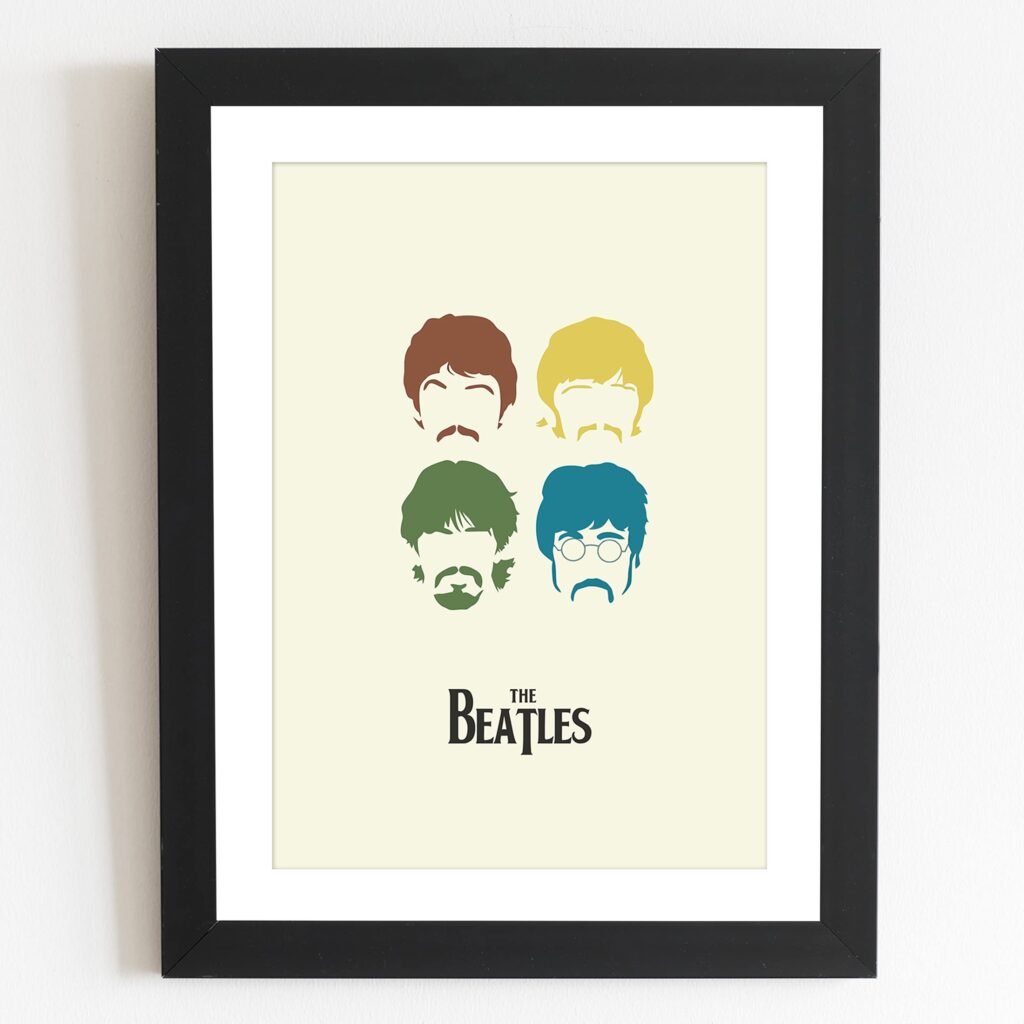
I got a quote to frame a 24×36 concert poster: $340. For the frame to cost more than the poster felt wrong — but I also didn't want it curling on the wall with thumbtacks forever.
Here's what professional framing actually costs, what drives the price, and the alternatives that look 90% as good for 30% of the price.
The practical guide
2026 price ranges for large posters
24×36 (standard large poster): $150-350 custom-framed. 27×40 (movie poster): $200-450. Bigger or odd sizes climb fast. The frame molding is the main cost driver — basic black metal is cheapest, ornate wood most expensive. Museum glass (UV, anti-glare) adds $80-150 alone. My $340 quote was mid-range molding with standard glass; basic options would have been ~$180.
What drives the price: size, molding, glass, matting
Size matters most (materials scale with area). Molding choice is second — a simple metal frame can halve the cost vs. hardwood. Matting adds $40-80 but makes art look significantly more premium. UV-protective glass matters only for valuable or sun-exposed pieces. Understanding these levers lets you cut costs strategically without cheapening the look.
Related reading: How to Stay Motivated to Keep Your Home Tidy (For Good)
The 80/20 alternative: ready-made frames
A 24×36 ready-made frame costs $30-60 at craft or big-box stores — and looks genuinely good, especially in simple black or natural wood. The catch: standard sizes only. If your poster is a standard size, ready-made is the smart money 90% of the time. I framed three posters in $40 ready-mades; visitors assume they're custom.
Online custom framing: the middle path
Services like Framebridge or ArtToFrames offer custom sizing at 30-50% below local frame shops ($90-180 for 24×36). You mail the art or upload a print; they ship it framed. Quality is solid, turnaround is 1-2 weeks. This is my go-to for odd sizes that ready-mades can't handle.
DIY framing for the handy
Buy molding and cut it yourself, or use poster hangers ($15-25 magnetic wood strips) for a modern minimalist look. Poster hangers are the budget-designer secret — they look intentional and cost almost nothing. For valuable art, though, pay for professional archival materials; DIY acids can damage prints over time.
My honest take
I went ready-made for the concert poster ($45) and custom online ($140) for an odd-sized art print. Honestly, hanging side by side, I can't tell which is which. The $340 local quote would have bought me… the same wall, $155 poorer.
FAQs: How much does it cost to frame a large poster professionally?
Here are the questions I hear most often about this topic:
Is professional framing worth it?
For valuable, sentimental, or odd-sized art: yes. For standard-size posters: ready-made frames give 90% of the look for 20% of the price.
How long does custom framing take?
Local shops: 1-3 weeks. Online services: 1-2 weeks plus shipping. Ready-made: today.
Should I use UV-protective glass?
For anything valuable or in direct sunlight, yes — fading is irreversible. For a $20 poster in a hallway, standard glass is fine.
The bottom line
Budget $150-350 for custom framing of a large poster, but check ready-made ($30-60) and online custom ($90-180) first. Match the framing investment to the art's value — and remember that a $40 frame on the wall beats a $340 quote in a drawer.
For deeper background, check out NerdWallet's home decor budget guides — both are solid, reputable resources worth bookmarking.
More from Daily Magazine 24
- How to Stay Motivated to Keep Your Home Tidy (For Good)
- How to Save Money on Groceries Without Ever Clipping a Coupon
One more thing worth knowing
One thing I've noticed after years of tweaking my own routines: the best system is the one you'll actually maintain on your worst week, not your best one. Grand plans collapse under real life — kids get sick, work explodes, motivation evaporates. So whatever you take from this guide, shrink it down to the smallest version you could do exhausted on a Tuesday night. If that tiny version still helps, you've found your keeper. You can always scale up later; you can't scale up from quitting.
One more thing worth knowing
It's also worth saying: don't try to implement everything at once. Pick the one tip that resonated most and do just that for two weeks. I call it the 'one-thing rule,' and it's how I've built every lasting habit I have. Our brains rebel against overhauls but accept single tweaks gracefully. Two weeks from now, add tip number two. In three months you'll have transformed the whole area without ever feeling overwhelmed — slow change is the only change that sticks.
One more thing worth knowing
A quick word on perfectionism, because it derails more good intentions than laziness ever does. You don't need the perfect version of this — you need the done version. The slightly messy attempt beats the flawless plan that never leaves your head. I've seen people research the ideal approach for months while doing nothing; meanwhile the person who just started imperfectly is already reaping benefits. Start ugly, refine later.
One more thing worth knowing
If you live with other people, get them on board early — not with a lecture, but by making the new way easier than the old way. Systems that depend on everyone caring equally will fail; systems where the right choice is the lazy choice succeed. Put the thing where it belongs, remove friction from the good habit, add friction to the bad one. Design beats discipline, especially in shared spaces.
One more thing worth knowing
Budget-wise, remember that most of these improvements cost little or nothing — the expensive part is usually indecision, not implementation. I've spent more money 'thinking about' solutions than on the solutions themselves. Set a small budget, pick the highest-impact move, and do it this weekend. Future-you, enjoying the results, will wonder why you waited.