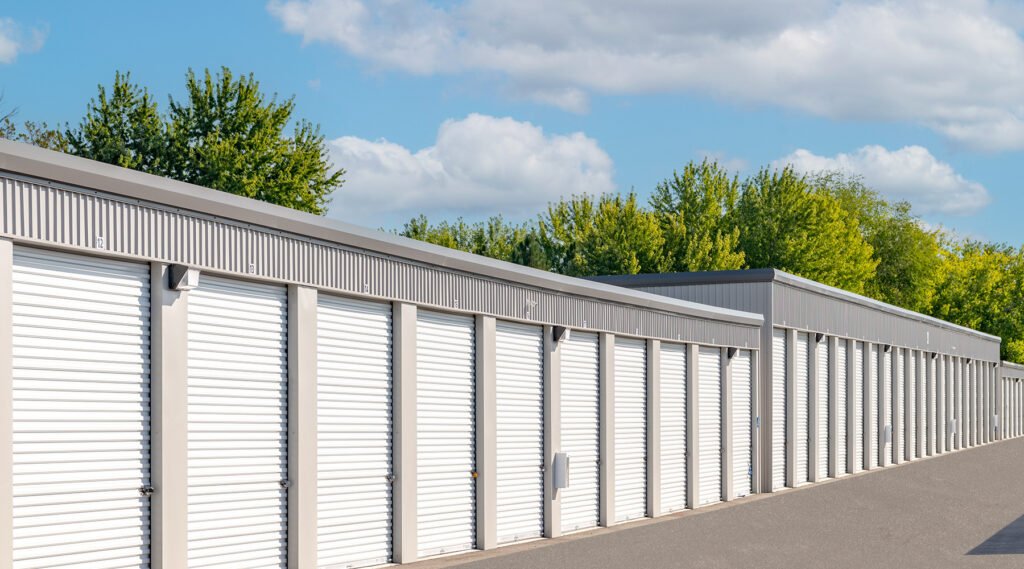
Storage Unit Costs in 2026: Prices by Size + Money Traps
Storage Unit Costs in 2026: Prices by Size + Money Traps
How much does a storage unit cost per month? It’s one of the most common questions I hear — and the honest answer is simpler than you’d think.
I rented a storage unit 'temporarily' during a move. Three years and $4,000 later, I finally did the math on what my old couch had cost me. Storage units are useful — and they're also one of the easiest money traps to fall into.
Here's what they actually cost in 2026, and how to avoid paying for storage you don't need.
What actually works
2026 price ranges by size
5×5 (closet-sized): $40-75/month. 5×10 (walk-in closet): $60-100. 10×10 (one-bedroom): $90-150. 10×20 (garage, multi-bedroom): $140-250. Climate-controlled units run 25-50% more. Big cities cost roughly double small towns. These are starting prices — read on for why your bill creeps up.
The rate-hike trap: your price will rise
Facilities lure you with $1-first-month deals, then raise rates 10-20% annually. After three years, my $95 unit cost $140 — a 47% increase. Ask about rate-lock guarantees, and set a yearly reminder to negotiate or shop around. Long-term renters who never check are the industry's favorite customers.
Related reading: Make Your Small Bathroom Feel Twice as Big (12 Tricks)
Hidden fees beyond the monthly rate
Admin fees ($15-30 one-time), mandatory insurance ($10-20/month unless you have your own), late fees ($20+), and lock purchases. That '$60/month' unit can easily bill $95. Get the all-in monthly number in writing before signing, and check whether your renters insurance already covers stored items — mine did, saving $15/month.
The real question: is your stuff worth the rent?
Do the brutal math: 2 years of a $120 unit is $2,880. Would you buy everything in there for $2,880 today? If not, sell or donate it. Storage makes sense for: between-moves gaps, valuable items during renovations, business inventory. It rarely makes sense for: 'might need someday' furniture, old clothes, mystery boxes.
If you rent, do it right
Choose the smallest size that fits (measure your stuff), visit the facility first (lighting, security, cleanliness), get climate control for wood/electronics/documents, and label everything with an inventory list. Set a calendar reminder for your 'exit date' — open-ended storage is how $95/month becomes a lifestyle.
My honest take
My $4,000 couch taught me the golden rule: storage needs an exit date. Now I treat units like hotel rooms — booked for a specific period, with a checkout day. The stuff I kept wasn't worth $4,000. The lesson, painfully, was.
FAQs: How much does a storage unit cost per month?
Here are the questions I hear most often about this topic:
What's the cheapest storage unit size?
A 5×5 typically starts around $40-75/month — enough for boxes, seasonal items, or a small furniture set. Always measure first; guessing wastes money.
Do I need climate control?
For wood furniture, electronics, documents, photos, and musical instruments: yes. For plastic bins of clothes and general household goods: usually not.
Can I negotiate storage unit prices?
Yes — especially at independent facilities. Ask about price matching, long-term discounts, and waiving admin fees. It works more often than you'd expect.
The bottom line
Budget $40-250/month depending on size and city, watch for the annual rate hikes and insurance add-ons, and run the brutal 'would I rebuy this?' math before signing. Storage with an exit date is a tool; storage without one is a subscription to your own clutter.
For deeper background, check out NerdWallet's moving and storage guides — both are solid, reputable resources worth bookmarking.
More from Daily Magazine 24
- Make Your Small Bathroom Feel Twice as Big (12 Tricks)
- Best Mattress Firmness for Back Sleepers (2026 Buying Guide)
One more thing worth knowing
One thing I've noticed after years of tweaking my own routines: the best system is the one you'll actually maintain on your worst week, not your best one. Grand plans collapse under real life — kids get sick, work explodes, motivation evaporates. So whatever you take from this guide, shrink it down to the smallest version you could do exhausted on a Tuesday night. If that tiny version still helps, you've found your keeper. You can always scale up later; you can't scale up from quitting.
One more thing worth knowing
It's also worth saying: don't try to implement everything at once. Pick the one tip that resonated most and do just that for two weeks. I call it the 'one-thing rule,' and it's how I've built every lasting habit I have. Our brains rebel against overhauls but accept single tweaks gracefully. Two weeks from now, add tip number two. In three months you'll have transformed the whole area without ever feeling overwhelmed — slow change is the only change that sticks.
One more thing worth knowing
A quick word on perfectionism, because it derails more good intentions than laziness ever does. You don't need the perfect version of this — you need the done version. The slightly messy attempt beats the flawless plan that never leaves your head. I've seen people research the ideal approach for months while doing nothing; meanwhile the person who just started imperfectly is already reaping benefits. Start ugly, refine later.
One more thing worth knowing
If you live with other people, get them on board early — not with a lecture, but by making the new way easier than the old way. Systems that depend on everyone caring equally will fail; systems where the right choice is the lazy choice succeed. Put the thing where it belongs, remove friction from the good habit, add friction to the bad one. Design beats discipline, especially in shared spaces.
One more thing worth knowing
Budget-wise, remember that most of these improvements cost little or nothing — the expensive part is usually indecision, not implementation. I've spent more money 'thinking about' solutions than on the solutions themselves. Set a small budget, pick the highest-impact move, and do it this weekend. Future-you, enjoying the results, will wonder why you waited.