Robot Vacuum in a Small Apartment: Worth It or Waste of Money?
Robot Vacuum in a Small Apartment: Worth It or Waste of Money?
Is it worth buying a robot vacuum for a small apartment? I get asked this a lot, so let me give you the straight answer — no fluff.
My apartment is 480 square feet. Vacuuming the whole thing takes me maybe 12 minutes with a stick vacuum. So when I considered a $300 robot vacuum, the obvious question was: am I buying convenience or just a gadget?
I ran the numbers, asked owners, and tested the logic. Here's the honest breakdown for small-space dwellers.
The practical guide
The math: it saves ~5 hours a month of actual effort
Twelve minutes twice a week is about 100 minutes a month — but it's not just time, it's friction. A robot vacuum running on schedule while you're at work means you never think about floors. For pet owners, that daily hair pickup is the real win: my friend with a shedding corgi says it's the difference between constant fur and none.
Small apartments are actually ideal for robot vacuums
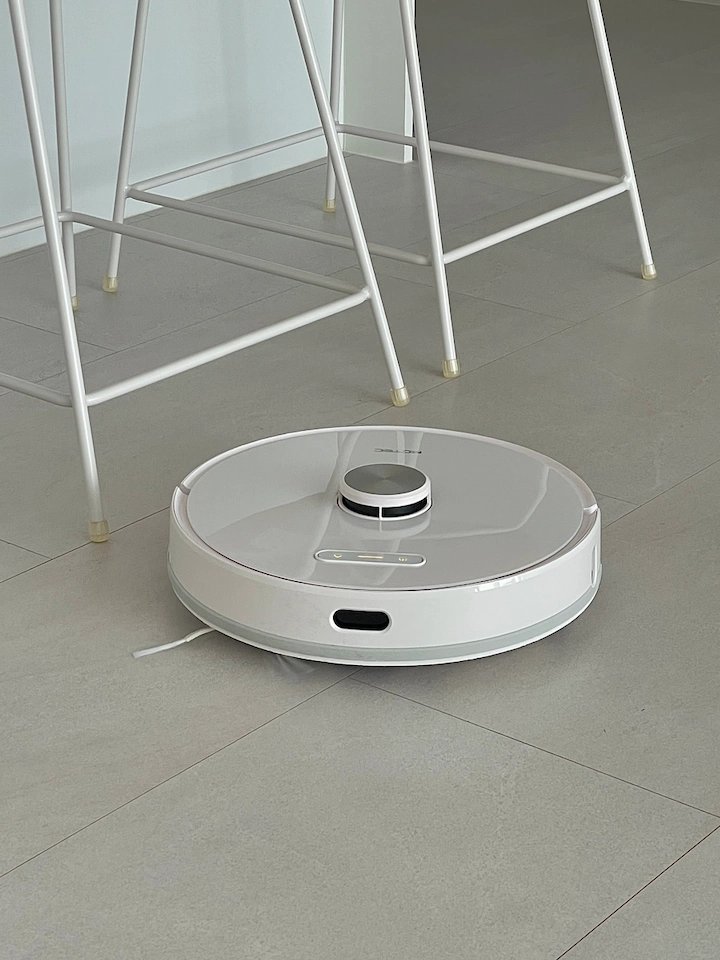
Here's the surprise: robots struggle in big multi-room houses with thresholds and stairs. A small, single-level apartment is their happy place — quick mapping, fast cleaning cycles, easy return to base. The 'too small to bother' instinct is backwards; compact spaces are where they perform best.
Related reading: How to Actually Spend Less Time on Your Phone (Without Deleting Everything)
You still need a real vacuum for some jobs
Robot vacuums are maintenance cleaners, not deep cleaners. They won't do stairs, upholstery, car interiors, or that one corner behind the toilet. Budget for keeping a stick vacuum too. Think of the robot as the daily sweeper and your regular vacuum as the weekly detailer.
Skip the $600 flagship — $200-300 is the sweet spot
For a small apartment you don't need lidar mapping of a mansion or self-emptying bases the size of a trash can. A mid-range model with scheduled cleaning and decent suction handles 800 square feet easily. The premium features pay off in big houses; in a studio, they're overkill you'll never use.
Declutter first or it'll just get stuck
A robot vacuum in a cluttered apartment is a toddler in a toy store — it'll eat a charging cable within a week. The unspoken requirement is keeping floors clear: shoes on a rack, cables tucked, no stray socks. Ironically, the robot forces the tidiness habit, which many owners count as a bonus feature.
My honest take
I was skeptical about the value in a small space, but the pet-hair factor sold me. If you don't have pets and your place is truly tiny, a $150 stick vacuum honestly does the job. With a shedding animal? The robot earns its keep in week one.
FAQs: Is it worth buying a robot vacuum for a small apartment?
Here are the questions I hear most often about this topic:
Do robot vacuums work on carpet and hard floors?
Yes, most handle both, automatically adjusting suction. They're actually better on hard floors — carpet deep-cleaning is where they fall short of uprights.
How loud are they?
Quieter than a regular vacuum (60-70 decibels vs 75+), but you'll hear it. Schedule cleanings while you're out for maximum bliss.
How long do they last?
Expect 3-5 years with basic maintenance: empty the bin, clean the brushes monthly, replace the filter yearly.
The bottom line
For a small apartment, a robot vacuum is worth it if you have pets, hate the friction of frequent vacuuming, or can keep floors clear. Buy mid-range ($200-300), keep your stick vacuum for detail work, and let the little guy handle the daily grind.
For deeper background, check out Good Housekeeping's vacuum reviews — both are solid, reputable resources worth bookmarking.
More from Daily Magazine 24
- How to Actually Spend Less Time on Your Phone (Without Deleting Everything)
- A Morning Routine That Actually Sticks (Start With 15 Minutes)
One more thing worth knowing
Budget-wise, remember that most of these improvements cost little or nothing — the expensive part is usually indecision, not implementation. I've spent more money 'thinking about' solutions than on the solutions themselves. Set a small budget, pick the highest-impact move, and do it this weekend. Future-you, enjoying the results, will wonder why you waited.
One more thing worth knowing
Finally, give any change a fair trial before judging it. Three weeks is my minimum — the first week you're fighting old habits, the second you're adjusting, and only in the third do you see the real payoff. I've almost abandoned routines on day five that became favorites by day twenty. Commit to the trial period upfront, evaluate honestly at the end, and keep what earns its place.
One more thing worth knowing
One more practical note: take a 'before' snapshot — a photo, a quick note about how things feel now. We adapt to improvements fast and forget how far we've come, which makes it tempting to abandon systems that are quietly working. Six months from now, that before-photo will remind you why you started. Progress you can see is progress you'll protect.
One more thing worth knowing
And if you take one mindset shift from all of this, let it be this: small, consistent beats big and occasional in every domain I've ever tested it. Ten minutes daily outperforms a monthly marathon. One habit at a time outperforms twelve resolutions. The tortoise doesn't just win the race — the tortoise is the only one still running in year two.
One more thing worth knowing
One thing I've noticed after years of tweaking my own routines: the best system is the one you'll actually maintain on your worst week, not your best one. Grand plans collapse under real life — kids get sick, work explodes, motivation evaporates. So whatever you take from this guide, shrink it down to the smallest version you could do exhausted on a Tuesday night. If that tiny version still helps, you've found your keeper. You can always scale up later; you can't scale up from quitting.