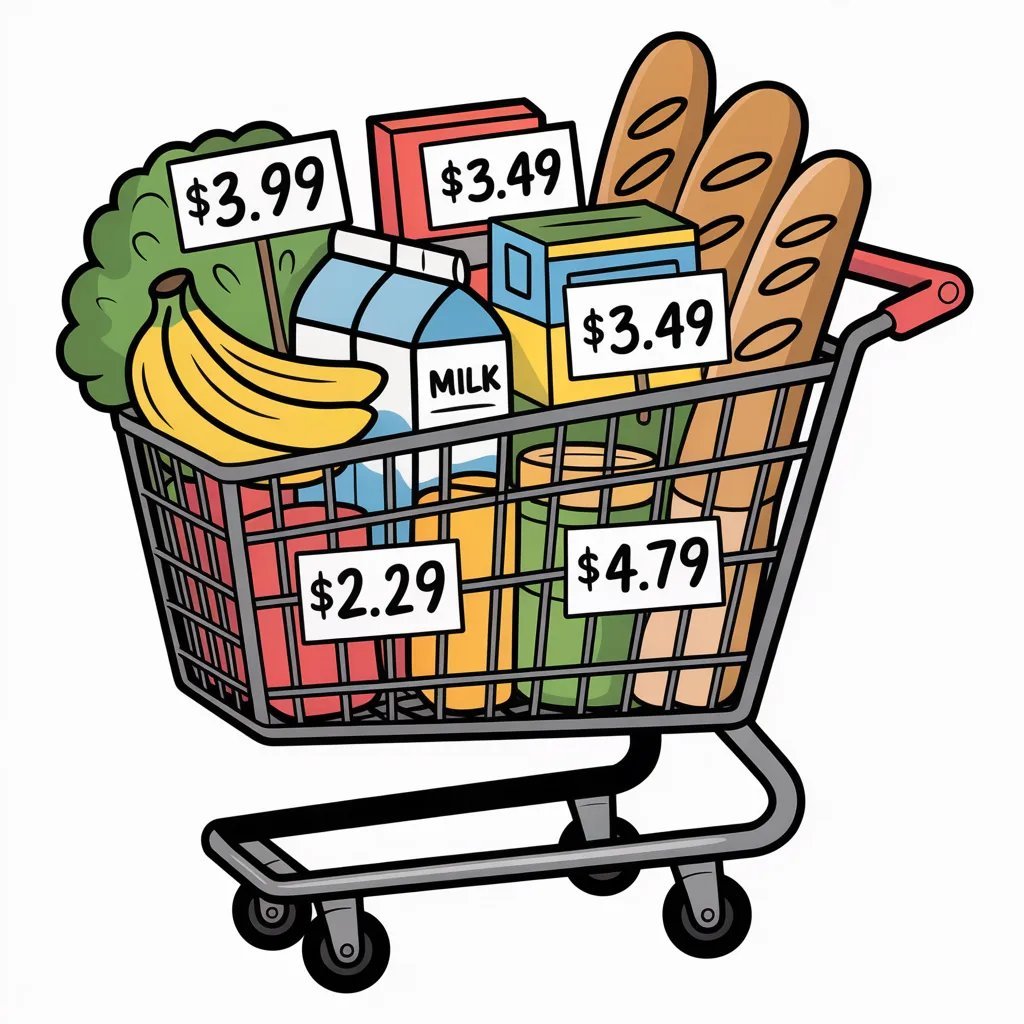
How to Save Money on Groceries Without Ever Clipping a Coupon
How to Save Money on Groceries Without Ever Clipping a Coupon
How can I save money on groceries without couponing? It’s one of the most common questions I hear — and the honest answer is simpler than you’d think.
I'll be honest: I've never had the patience for couponing. The binders, the Sunday inserts, the fine print that excludes everything I actually buy — it's a second job I don't want. And yet my grocery bill kept climbing, so I had to find another way.
Turns out, couponing was never the biggest lever anyway. The real savings come from how you shop, what you buy, and how much you throw away. Here's what actually moved the needle on my bill — no scissors required.
What actually works
Shop with a list built from your pantry, not your cravings
Before I write a single item on my list, I do a 60-second pantry and fridge scan. You'd be amazed how often you almost buy your fourth jar of cumin. Planning meals around what you already own first — then filling gaps — cuts impulse buys dramatically. Studies consistently show list-shoppers spend less, and in my experience it's the single highest-ROI habit in grocery savings.
Buy the store brand for staples, not the name brand
Store-brand flour, sugar, canned beans, oats, and frozen vegetables are often made in the same facilities as the big names. I did a blind taste test with my own pantry once: I couldn't tell the difference on 8 out of 10 items. The markup on name brands funds advertising, not quality. Switch your top 15 staples and watch $15-25 vanish from every trip.
Related reading: Small Apartment, Big Calm: The Organization System That Actually Works
Shop the perimeter and the sales flyer together
Meat, produce, dairy, and bakery departments live on the store's perimeter — and that's where the real food (and the real sales) are. I check the weekly flyer for two minutes before leaving and build 2-3 meals around whatever protein and produce are discounted. A $1.99/lb chicken thigh week is a very different menu than a full-price ribeye week, and it's just as good.
Freeze like you mean it
Bread, milk, cheese, cooked rice, bananas for smoothies, even eggs beaten in ice cube trays — almost everything freezes. The average American family wastes over $1,500 a year in spoiled food, and the freezer is the simplest weapon against that. I keep a running 'eat from the freezer' list on the fridge door so nothing disappears into the icy abyss.
Go once a week — and make the second trip painful
Every extra store trip is an opportunity to spend $20 on things you didn't need. I consolidated to one weekly run, and my bill dropped noticeably within a month. If I forget something, I ask whether I can substitute rather than driving back. Nine times out of ten, I can.
My honest take
The freezer trick alone probably saves me $60 a month. I used to throw away sad vegetables every Sunday like clockwork. Now anything wilting goes into a soup bag in the freezer, and Friday becomes clean-out-the-fridge soup night. It sounds small, but small leaks sink grocery budgets.
FAQs: How can I save money on groceries without couponing?
Here are the questions I hear most often about this topic:
How much can I realistically save without couponing?
Most households can cut 20-30% by reducing waste, switching to store brands, and shopping sales. On a $800 monthly bill, that's $160-240 back in your pocket.
Is meal planning really worth the time?
Yes — even a rough 10-minute plan beats none. It prevents the 6pm 'what's for dinner' panic that ends in takeout, which is where budgets truly bleed.
Are warehouse clubs like Costco worth it?
Only for things you'll actually finish: paper goods, frozen items, pantry staples. Skip the 5-pound tub of hummus unless you're feeding a crowd.
The bottom line
You don't need a coupon binder to beat grocery inflation — you need a list, a freezer strategy, and the discipline to shop once a week. Start with just the pantry scan this week. Your wallet will notice before the month is out.
For deeper background, check out NerdWallet's budgeting guides — both are solid, reputable resources worth bookmarking.
More from Daily Magazine 24
- Small Apartment, Big Calm: The Organization System That Actually Works
- How Much Should You Really Tip for Food Delivery? (2026)
One more thing worth knowing
One thing I've noticed after years of tweaking my own routines: the best system is the one you'll actually maintain on your worst week, not your best one. Grand plans collapse under real life — kids get sick, work explodes, motivation evaporates. So whatever you take from this guide, shrink it down to the smallest version you could do exhausted on a Tuesday night. If that tiny version still helps, you've found your keeper. You can always scale up later; you can't scale up from quitting.
One more thing worth knowing
It's also worth saying: don't try to implement everything at once. Pick the one tip that resonated most and do just that for two weeks. I call it the 'one-thing rule,' and it's how I've built every lasting habit I have. Our brains rebel against overhauls but accept single tweaks gracefully. Two weeks from now, add tip number two. In three months you'll have transformed the whole area without ever feeling overwhelmed — slow change is the only change that sticks.
One more thing worth knowing
A quick word on perfectionism, because it derails more good intentions than laziness ever does. You don't need the perfect version of this — you need the done version. The slightly messy attempt beats the flawless plan that never leaves your head. I've seen people research the ideal approach for months while doing nothing; meanwhile the person who just started imperfectly is already reaping benefits. Start ugly, refine later.
One more thing worth knowing
If you live with other people, get them on board early — not with a lecture, but by making the new way easier than the old way. Systems that depend on everyone caring equally will fail; systems where the right choice is the lazy choice succeed. Put the thing where it belongs, remove friction from the good habit, add friction to the bad one. Design beats discipline, especially in shared spaces.
Pingback: Poster Framing Cost: Professional Prices in 2026